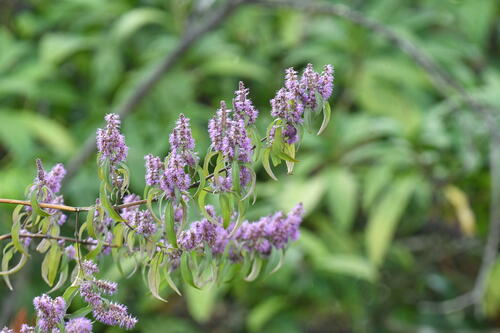
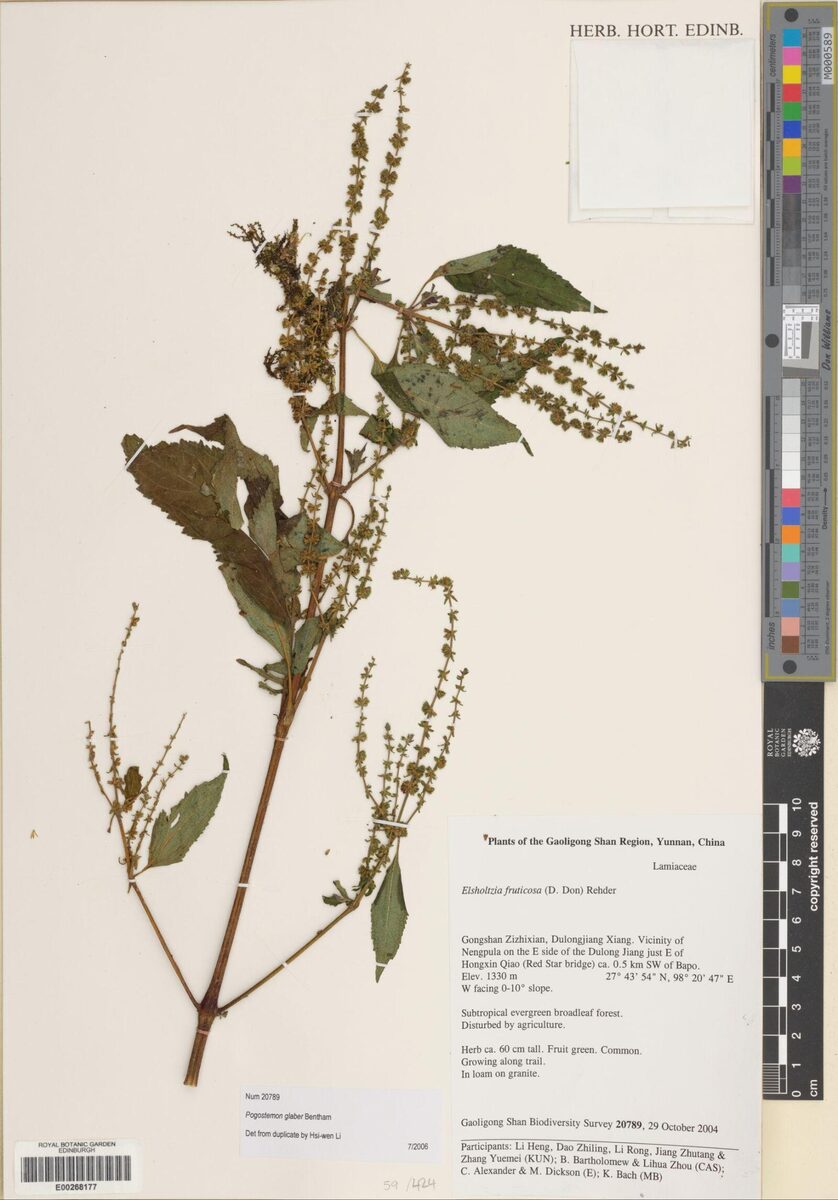
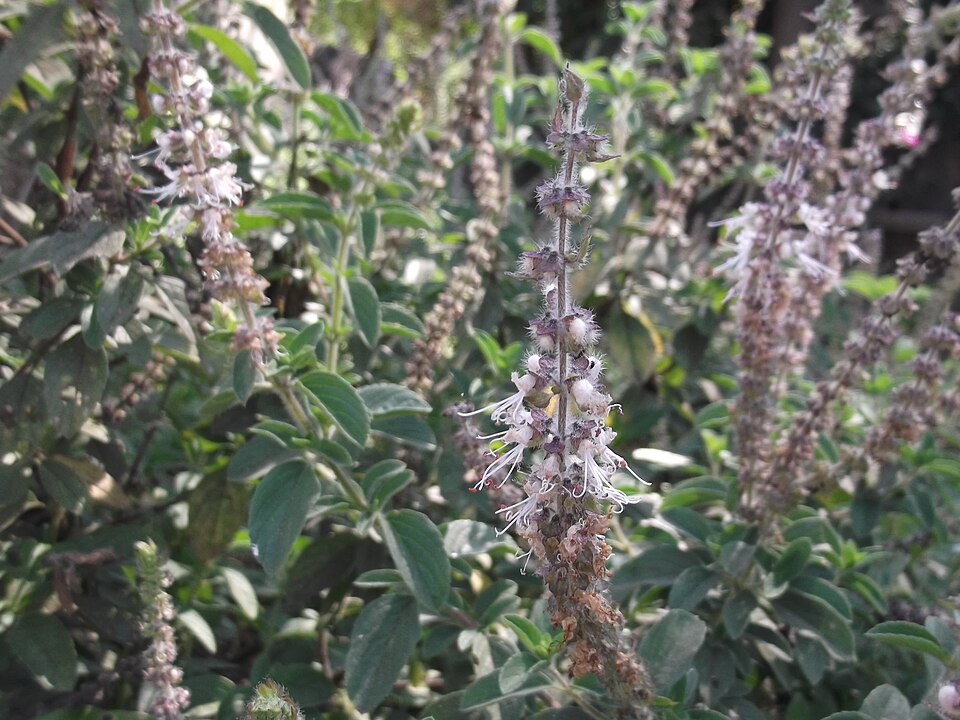
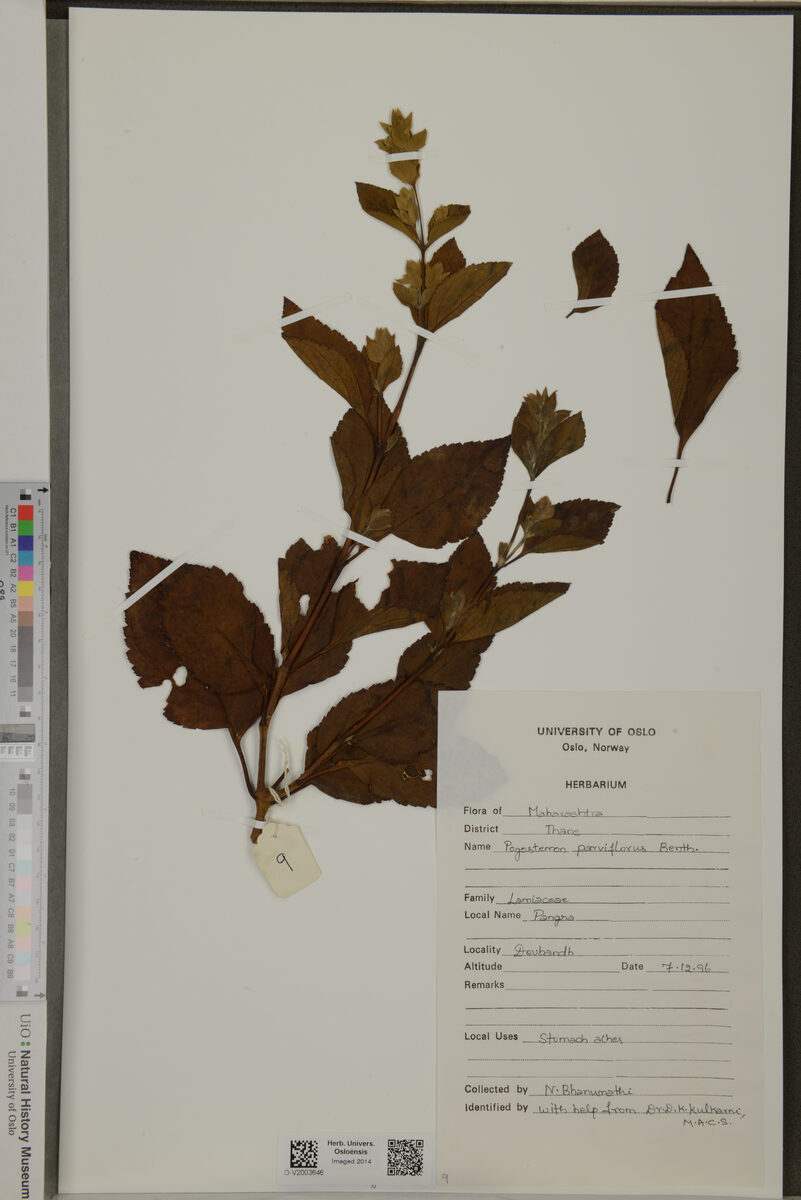
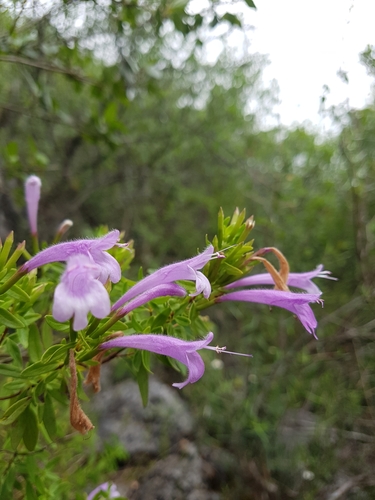
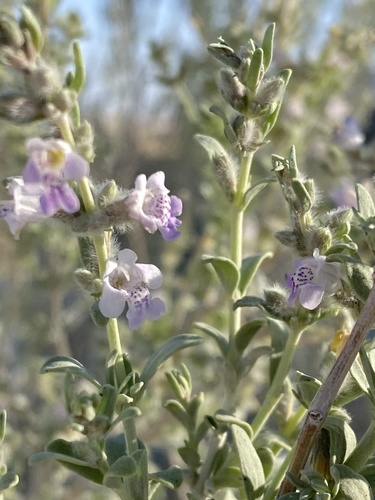
Monardella odoratissima
Benth.
Mountain pennyroyal, Pacific monardella
iNaturalist· cc-by-nc-sa
(c) randomtruth, some rights reserved (CC BY-NC-SA)
iNaturalist· cc-by-nc
(c) Thomas Buchloh, some rights reserved (CC BY-NC)
Summary
Source: WikipediaMonardella odoratissima (mountain coyote mint, mountain beebalm, mountain monardella or mountain pennyroyal) is a perennial flowering plant. It is a member of the mint family Lamiaceae. It has the minty odor characteristic of this family. In 2020, Monardella villosa was included in M. odoratissima. As of April 2024, acceptance of the inclusion varies.
Description
A perennial herb growing to 0.6 m tall, hardy to UK zone 8. Hermaphroditic and insect-pollinated. Requires full sun and cannot tolerate shade. Prefers light or medium well-drained soils with mildly acidic to alkaline pH and moist conditions.
Edible Uses
Fresh or dried aromatic leaves and flower heads steeped in cold water make a refreshing, mint-like tea.
Traditional Uses
The fresh or dried leaves and flowerheads are used for tea.
This uses section is brief — help expand it
Medicinal Uses
The plant is carminative and febrifuge. A decoction of the stems and flower heads treats flatulence and other digestive upsets, colds, and fevers. The same decoction can be used as an eye wash for sore or inflamed eyes.
Distribution
It is a temperate plant.
Where It Grows
North America, USA,
Cultivation
Prefers a moist but well-drained sandy soil. Requires a sunny position. Strongly resents excessively cold damp soils in the winter. This species is not hardy in the colder areas of the country, it tolerates temperatures down to between -5 and -10°c. A very polymorphic species, there are many sub-species.
Propagation
Sow seed in a cold frame in spring. When large enough to handle, prick seedlings into individual pots and plant out in summer. Divide in spring; large divisions can go directly into permanent positions, while smaller divisions are best potted up and grown on in light shade in a cold frame until well established before planting out in late spring or early summer. Semi-ripe cuttings can be taken in July and rooted in a frame.
Other Uses
None known Special Uses
References (3)
- Facciola, S., 1998, Cornucopia 2: a Source Book of Edible Plants. Kampong Publications, p 130
- Labiat. gen. spec. 332. 1834
- Moerman, D. F., 2010, Native American Ethnobotany. Timber Press. p 348