Conradina verticillata
Jennison
Cumberland rosemary, Mountain rosemary
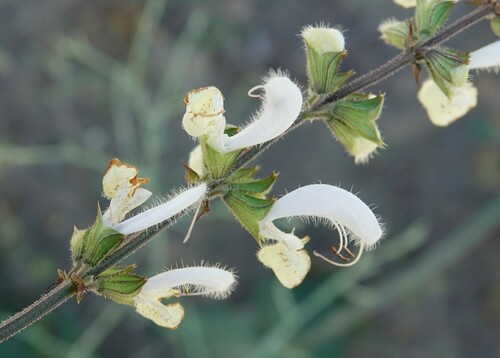
iNaturalist· cc-by
(c) Katie Kucera, some rights reserved (CC BY)
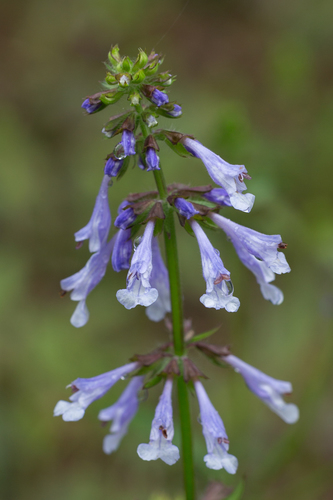
iNaturalist· cc-by-nc
(c) ThePrairiePreacher, some rights reserved (CC BY-NC)
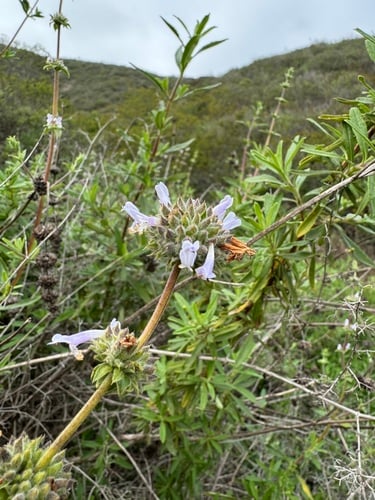
iNaturalist· cc-by-nc
(c) ThePrairiePreacher, some rights reserved (CC BY-NC)
Summary
Source: WikipediaConradina verticillata is a flowering shrub in the mint family, found in the Cumberland Plateau. It is also called Conradina montana, Cumberland rosemary or Cumberland false rosemary. It has been classified as a threatened species under the Endangered Species Act since 1991.
Description
A low shrub. It keeps growing from year to year. The leaves are needle like. The flowers are purple.
This description is brief — help expand it
Edible Uses
The leaves have a strong, pleasant scent reminiscent of rosemary and are used as a rosemary substitute to flavour cooking.
Traditional Uses
The leaves are occasionally used as flavouring in soups and stews.
This uses section is brief — help expand it
Medicinal Uses
No medicinal uses are known for this plant.
Distribution
It is a temperate plant.
Where It Grows
North America, USA,
Cultivation
Requires a light soil and a very sunny position. This species is not hardy in the colder areas of the country, it tolerates temperatures down to between -5 and -10°c. This is an endangered species in the wild.
Propagation
Sow seed in spring in a greenhouse. Prick seedlings out into individual pots when large enough to handle and grow on in the greenhouse through at least their first winter. Plant out in late spring or early summer after the last expected frosts. Alternatively, take cuttings of new shoots in spring and root in a frame.
Other Uses
No other uses are known.
Notes
It is an endangered species.
References (3)
- Facciola, S., 1998, Cornucopia 2: a Source Book of Edible Plants. Kampong Publications, p 125
- J. Elisha Mitchell Sci. Soc. 48:268. 1933
- Kermath, B. M., et al, 2014, Food Plants in the Americas: A survey of the domesticated, cultivated and wild plants used for Human food in North, Central and South America and the Caribbean. On line draft. p 258