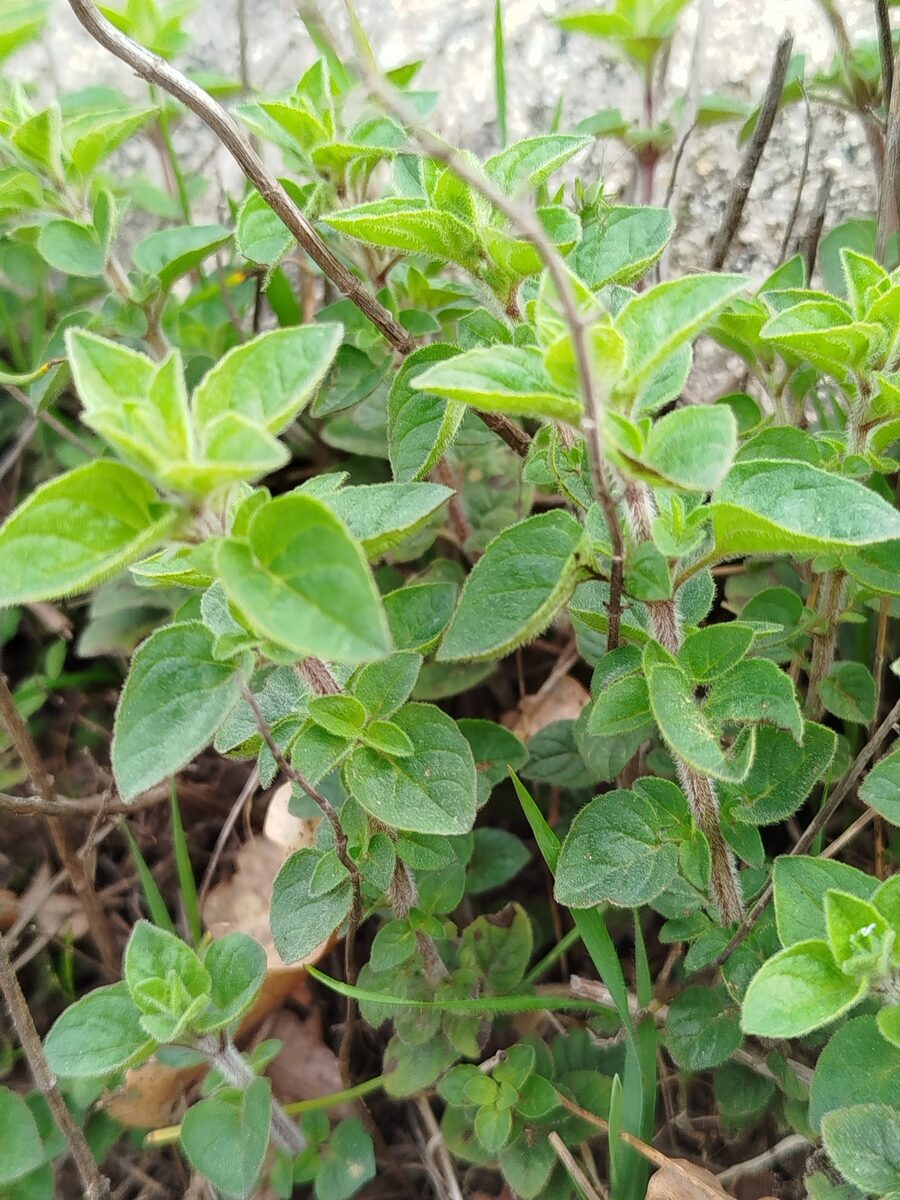
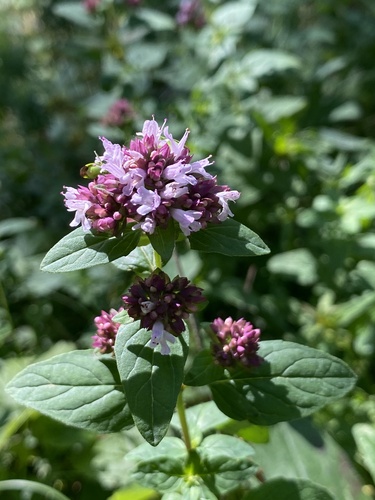
Vitex ferruginea
Schumach. et Thonn.
Plum vitex, Plum fingerleaf
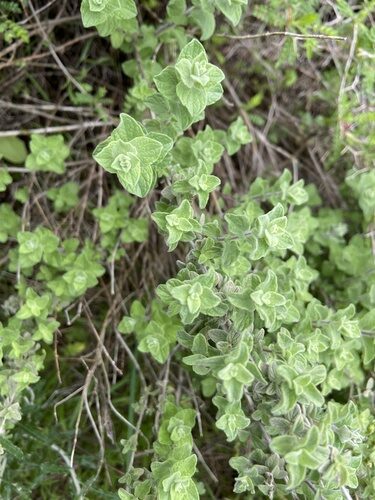
iNaturalist· cc-by-nc
(c) Troos van der Merwe, some rights reserved (CC BY-NC), uploaded by Troos van der Merwe
iNaturalist· cc-by-nc
(c) magdastlucia, some rights reserved (CC BY-NC), uploaded by magdastlucia
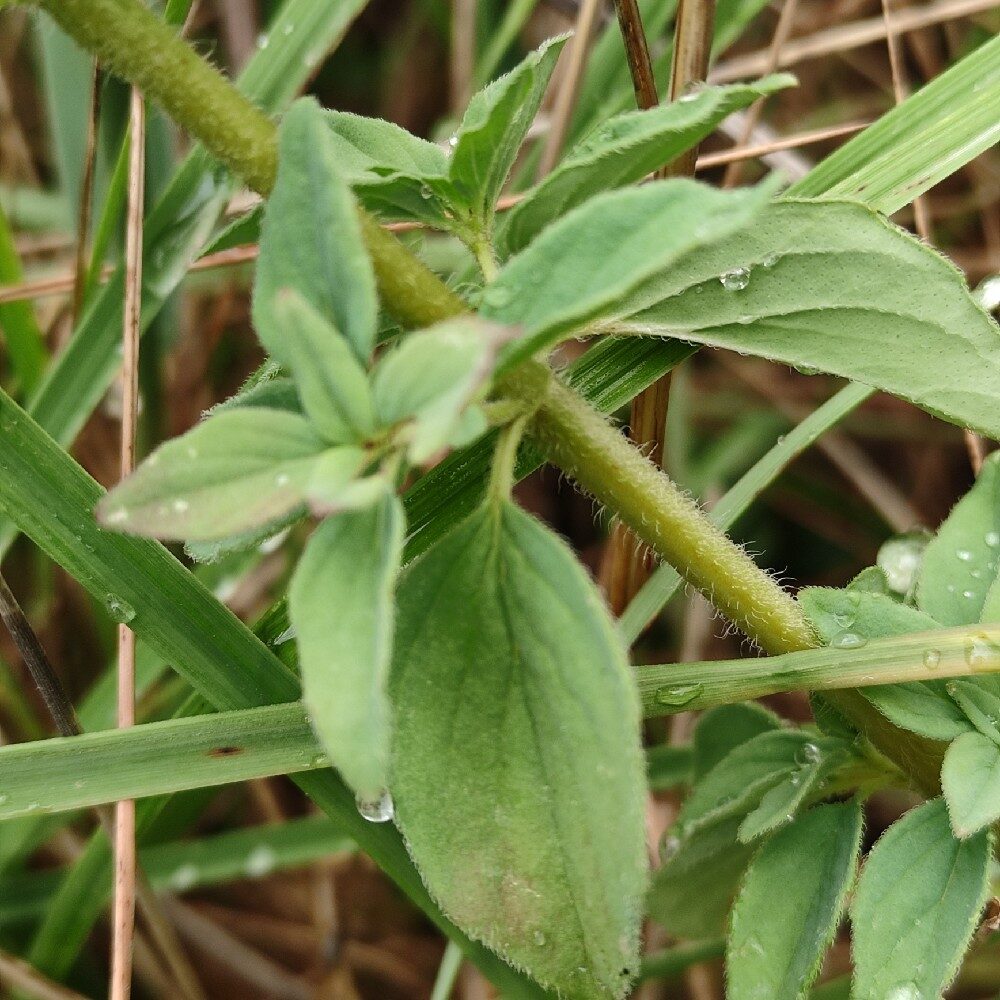
iNaturalist· cc-by-nc
(c) magdastlucia, some rights reserved (CC BY-NC), uploaded by magdastlucia
Description
A shrub or tree. Often it loses its leaves during the year. It can grow from 4 m tall to 13 m tall. The trunk is slightly fluted. The small branches have rusty brown hairs. The bark is smooth and light grey. It can have small grooves and small pieces flaking off with age. The leaves are compound with 3-7 leaflets arranged like the fingers on a hand. They occur opposite one another along the stem. The leaflets are unequal in size. The largest leaflet is 5-14 cm long with a long pointed tip. The upper surface is dull with a few hairs while the lower surface has rusty hairs and clear veins. The leaf stalk is 12 cm long while the leaflet stalks are 1 cm long. The flowers are in dense heads beside the leaves. The flower stalk is 5 cm long. The flowers are small and like tubes. They are 1 cm long and have one blue-violet lobe and four white petals. The fruit is rounded and fleshy. It is green with white spots. Fruit turn shiny black when ripe. They are 4 cm long and edible.
Edible Uses
The ripe fruit are eaten raw and are sweet, with the stone discarded. The fruit are sold in local markets.
Traditional Uses
The fruit are eaten raw. They are sweet. The stone is discarded.
This uses section is brief — help expand it
Medicinal Uses
The leaves are chewed to treat sore and swollen throats.
Distribution
A tropical plant. It is often in shallow soils near rivers and lakes. It grows from sea level to 610 m above sea level. It grows in lowland forests. It grows in the understorey and on the edge of forest.
Where It Grows
Africa, Angola, Central Africa, Congo, East Africa, Eswatini, Ghana, Guinea, Guinée, Guinea-Bissau, Kenya, Mozambique, Nigeria, Sierra Leone, Somalia, South Africa, Southern Africa, Swaziland, Tanzania, Uganda, West Africa, Zambia, Zimbabwe,
Cultivation
Plants are grown from seed. The seed are sown directly where they are to grow. For seed collection the whole fruit is dried then the dry pulp shaken off leaving the seed. Seed should be stored in a cool dry place. Trees can be topped or cut back and allowed to regrow.
Other Uses
The wood is used to make spoons. The wood is used for firewood and to make charcoal.
Production
In Tanzania fruit are collected from April to June.
Other Information
Fruit are sold in local markets.
Notes
Also put in the family Verbenaceae.
Synonyms
Also Known As
Kaze, Mfilu a mfinda, Mfulu, Mfuru, Mfurugenge, Mifudo, Mufudu, Mukekete, Mupfululfumbu, Mupfumbupfumbu, Mutsikidzi, Otwentorowa, Priimvingerblaar
References (25)
- Abbiw, D.K., 1990, Useful Plants of Ghana. West African uses of wild and cultivated plants. Intermediate Technology Publications and the Royal Botanic Gardens, Kew. p 48 (Also as Vitex fosteri)
- Boateng, S. K., et al, 2007, Wet Season of Edible Wild Fruits in Three Regions of Ghana. Journal of Plant Sciences 2(3): 353-357
- Chapman, J. D. & Chapman, H. M., 2001, The Forest Flora of Taraba and Andamawa States, Nigeria. WWF & University of Canterbury. p 207
- Dale, I. R. and Greenway, P. J., 1961, Kenya Trees and Shrubs. Nairobi. p 593 (As Vitex amboniensis)
- East African Herbarium records, 1981, (As Vitex amboniensis) Fowler, D. G., 2007, Zambian Plants: Their Vernacular Names and Uses. Kew. p 43 (As Vitex amboniensis)
Show all 25 references Hide references
- Fowler, D. G., 2007, Zambian Plants: Their Vernacular Names and Uses. Kew. p 82
- http://www.fao.org/forestry/25323-096344a3de335832e8f363c3ac5184a66.pdf (As Vitex amboniensis)
- Jardin, C., 1970, List of Foods Used In Africa, FAO Nutrition Information Document Series No 2.p 168
- Katende, A.B., Birnie, A & Tengnas B., 1995, Useful Trees and Shrubs for Uganda. Identification, Propagation and Management for Agricultural and Pastoral Communities. Technical handbook No 10. Regional Soil Conservation Unit, Nairobi, Kenya. p 660
- Lovett, J. C. et al, Field Guide to the Moist Forest Trees of Tanzania. p 178
- Luoga, E. J., et al, 2000, Differential Utilization and Ethnobotany of Trees in Kitulanghalo Forest Reserve and Surrounding Communal Lands, Eastern Tanzania. Economic Botany, Vol. 54, No. 3, pp. 328-343
- Magwede, K., van Wyk, B.-E., & van Wyk, A. E., 2019, An inventory of Vhavenḓa useful plants. South African Journal of Botany 122 (2019) 57–89
- Maundu, P. et al, 1999, Traditional Food Plants of Kenya. National Museum of Kenya. 288p
- Mawunu, M., et al, 2022, Ethnobotanical uses of wild edible plants of Mucuba municipality, Angola. Natural Resources for Human Health. 2022, 0:1-10
- Mpasiwakomu, R. A., 2017, The Diversity and Utilization of Wild Edible and Medicinal Plant Species found in Uvinza Miombo Woodlands, Tanzania. M. Sc. thesis University of Tanzania.
- Msola, D. K., 2007, The role of Wild Foods in Household Income and Food Security in Mufundi District, Tanzania. Morogoro, Tanzania.
- Mutie, F. M., et al, 2023, Important Medicinal and Food Taxa (Orders and Families) in Kenya, Based on Three Quantitative Approaches. Plants 2023, 12, 1145
- Okigbo, B.N., Vegetables in Tropical Africa, in Opena, R.T. & Kyomo, M.L., 1990, Vegetable Research and development in SADCC countries. Asian Vegetable Research and development Centre. Taiwan. p 45
- Peters, C. R., O'Brien, E. M., and Drummond, R.B., 1992, Edible Wild plants of Sub-saharan Africa. Kew. p 198 (As Vitex amboniensis)
- Ruffo, C. K., Birnie, A. & Tengnas, B., 2002, Edible Wild Plants of Tanzania. RELMA p 716
- Ruiters-Welcome, A. K., 2019, Food plants of southern Africa. Ph.D. thesis. Univ. of Johannesburg p 72
- Swaziland's Flora Database http://www.sntc.org.sz/flora
- Welcome, A. K. & Van Wyk, B.-E., 2019, An inventory and analysis of the food plants of southern Africa. South African Journal of Botany 122 (2019) 136–179
- Wilson, A. L. & Downs, C. T., 2012, Fruit nutritional composition and non-nutritive traits of indigenous South African tree species. South African Journal of Botany. 78:30-36
- World Checklist of Useful Plant Species 2020. Royal Botanic Gardens, Kew