Diphysa americana
(Mill.) M. Sousa
iNaturalist· cc-by
(c) Alexis López Hernández, some rights reserved (CC BY), uploaded by Alexis López Hernández
iNaturalist· cc-by-nc
(c) Saul Miguel Z, some rights reserved (CC BY-NC)
Description
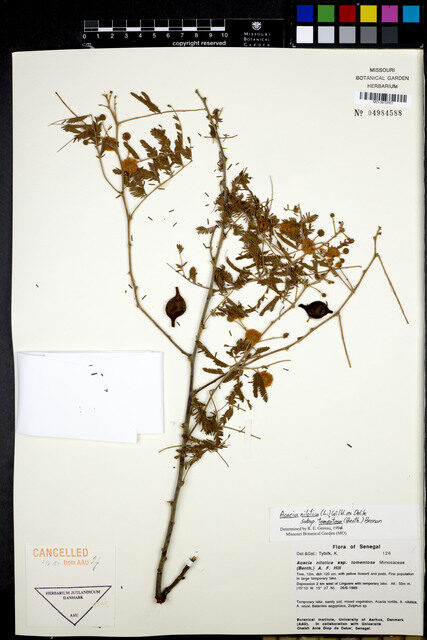
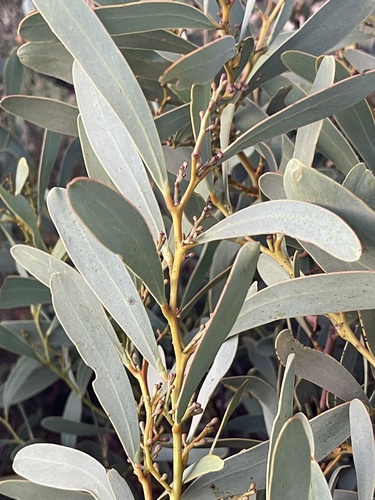
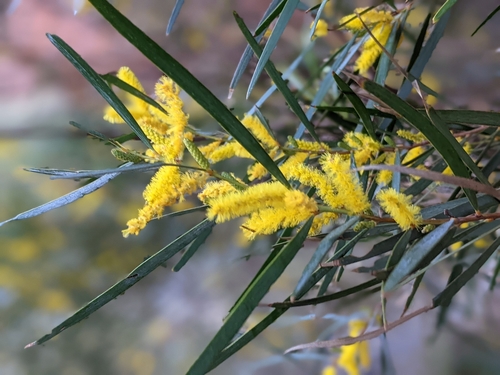
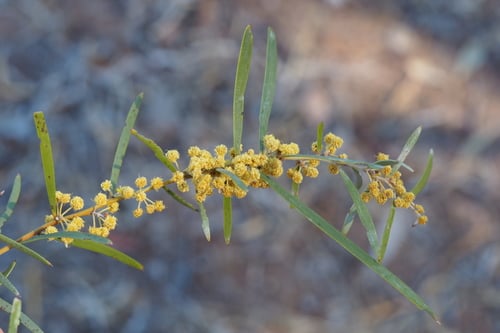
A small tree. It grows 4-15 m tall. The leaves are 8-14 cm long. They have 11-21 leaflets. These are 1.5-3.5 cm long by 0.5-1 cm wide. There are 6-7 flowers in a group. The pods are 5-8 cm long by 1-2 cm wide.
Edible Uses
The flowers become slimy when steamed and are added to beans or eaten with tortillas. The leaves are also edible.
Traditional Uses
The flowers become slimy when steamed and are added to beans or eaten with tortillas.
This uses section is brief — help expand it
Medicinal Uses
The plant is used to some extent in domestic medicine, although there is no reason for believing that it has any important medicinal properties.
Distribution
It is a tropical plant. At ECHO.
Where It Grows
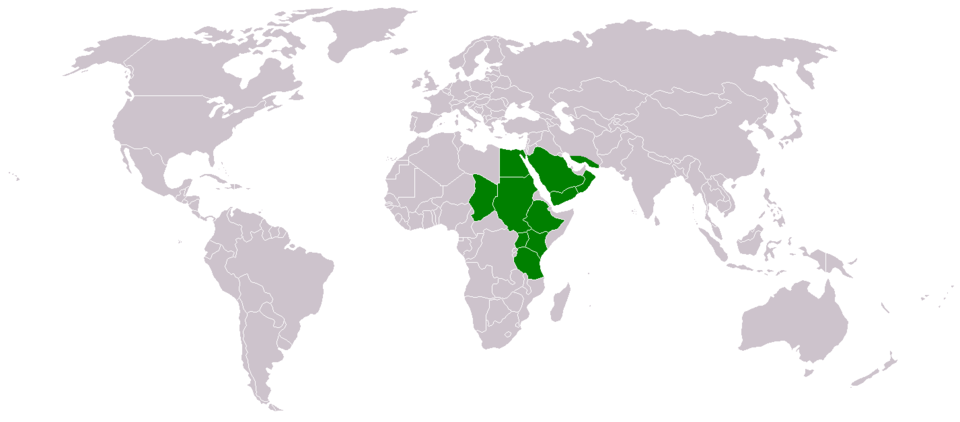
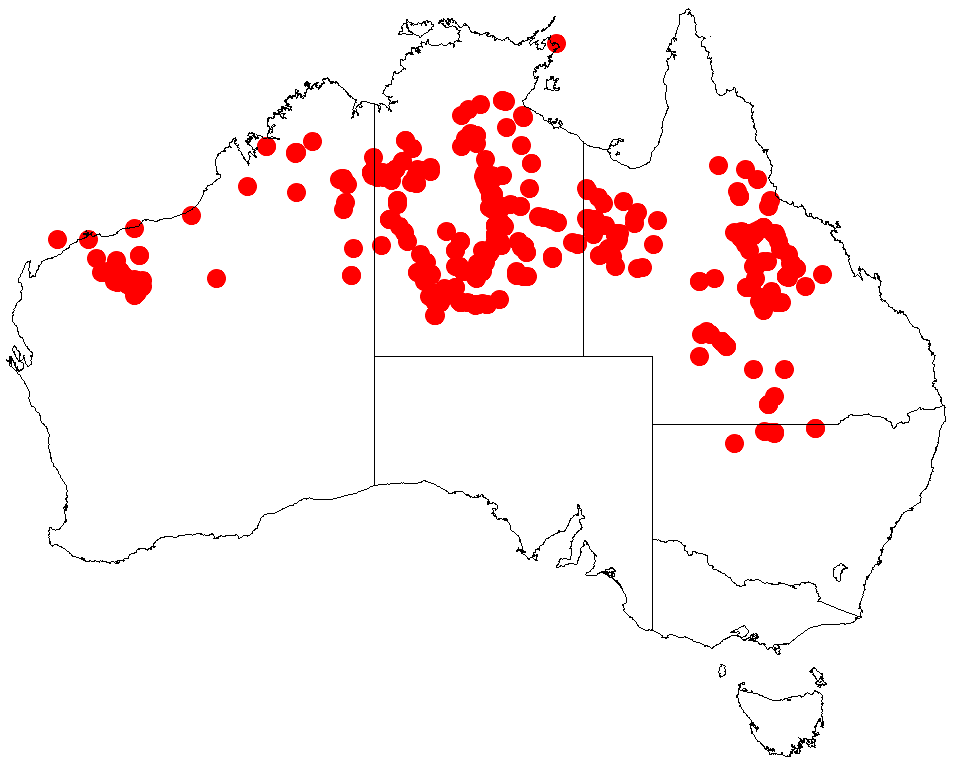
Belize, Central America, Colombia, Costa Rica, Dominican Republic, El Salvador, Guatemala, Honduras, Mexico, Nicaragua, North America, Panama, USA, West Indies,
Other Uses
A yellow dye is obtained from the wood. It is extracted from the wood and flowers. The wood is prized for making furniture and other specialty uses. It is used for making tobacco pipes. Planted as living fence for protection against domestic animals and for providing green manure.
Other Information
It is sold in local markets.
Synonyms
Also Known As
Amarillo, Camaroncillo, Chipilcoi, Chipilcoite, Chipilin, Cuachipil, Gallito, Gauchipilin, Guachepil, Matansiyat, Quebrancha, Rambai, Tenquiques
References (9)
- G. Bentham & A. S. Oersted, Vidensk. Meddel. Dansk Naturhist. Foren. Kjobenhavn 1853:11. 1854 (As Diphysa robinioides)
- Facciola, S., 1998, Cornucopia 2: a Source Book of Edible Plants. Kampong Publications, p 104 (As Diphysa robinioides)
- Kermath, B. M., et al, 2014, Food Plants in the Americas: A survey of the domesticated, cultivated and wild plants used for Human food in North, Central and South America and the Caribbean. On line draft. p 314
- Kew Plants of the World Online
- Manzanero-Medina, G. I., et al, 2020, Ethnobotany of food plants (quelites) sold in two traditional markets of Oaxaca, Mexico. South African Journal of Botany. 130 (2020) 215-223
Show all 9 references Hide references
- Pascual-Mendoza, S. et al, 2021, Traditional knowledge of edible plants in an indigenous community in the Sierra Norte of Oaxaca, Mexico. Plant Biosystems - An International Journal Dealing with all Aspects of Plant Biology
- Piedra-Malagón, E. M., et al, 2022, Edible native plants of the Gulf of Mexico Province. Biodiversity Data Journal 10: e80565 p 21
- Roa, J. A. G. & Boada, D. S. G., 2018, Fundación para el Fortalecimiento de la Fruticultura y Plantas Alimenticias no Convencionales en Colombia.
- Theodoropoulos, (As Diphysa robinioides)