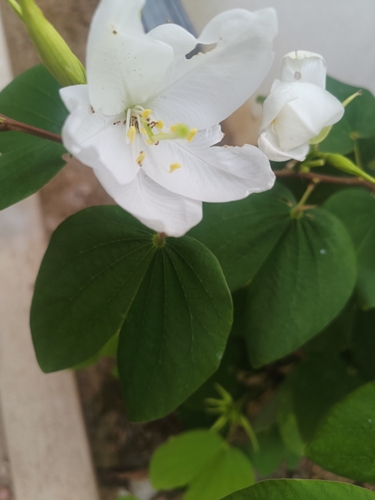
Astragalus propinquus
Schischkin
Milk vetch, Hwanggi
iNaturalist· cc-by-nc
(c) V.S. Volkotrub, some rights reserved (CC BY-NC)
iNaturalist· cc-by-nc
(c) V.S. Volkotrub, some rights reserved (CC BY-NC)
iNaturalist· cc-by-nc
(c) V.S. Volkotrub, some rights reserved (CC BY-NC)
Description
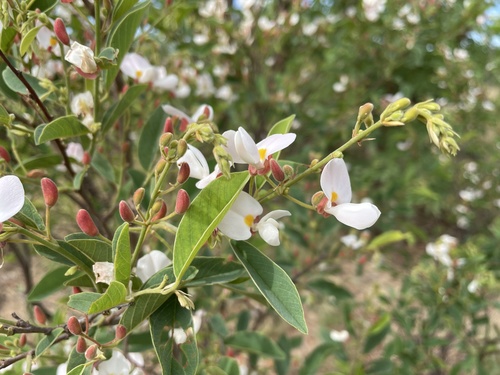
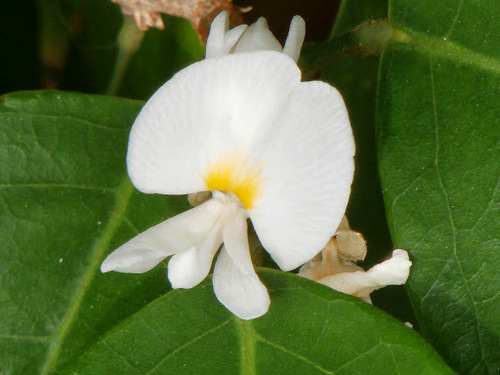
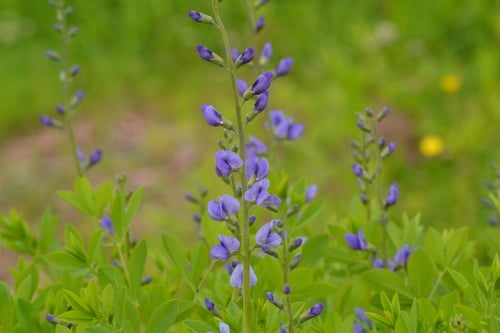
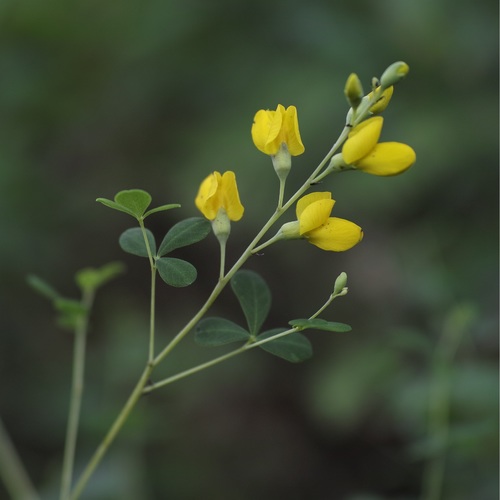
A sprawling herb. It keeps growing from year to year. It grows 40-60 cm high and 30-45 cm wide. The roots are pale yellow. The leaves are light green and alternate. The leaves are 3-8 cm long and compound with 12-18 pairs of leaflets. The flowers are pea-like and pale yellow. They are 2 cm long. The fruit are papery pods. They are 2.5 cm long. The seeds are dark brown and kidney-shaped.
Edible Uses
The roots are eaten in soups, often with chicken and meats, dried and sliced. They are also used in teas, wine, and dilute rice porridge.
Traditional Uses
The roots are eaten in soups often with chicken and meats. They are dried and sliced. It is also used in teas, wine and dilute rice porridge.
This uses section is brief — help expand it
Medicinal Uses
Used in traditional medicine.
Known Hazards
While several other species of Astragalus are known to cause severe poisonings in livestock due to indolizine alkaloids, aliphatic nitro compounds, and accumulated selenium, none of these constituents have been detected in Astragalus mongholicus used in dietary supplements and TCM preparations.
Distribution
A temperate plant. It is native to northern China. It is hardy to frost. It suits hardiness zone 5.
Where It Grows
Asia, China, Indochina, Korea, Mongolia, SE Asia, USA, Vietnam,
Other Information
It is a cultivated plant. It is available in dried form in Chinese stores in Australia.
Notes
It is used in medicine.
Synonyms
Also Known As
Hoangky, Huangchoy, Huang qi, Pak kei
References (10)
- Brown, D., 2002, The Royal Horticultural Society encyclopedia of Herbs and their uses. DK Books. p 137 (As Astragalus membranaceus)
- Facciola, S., 1998, Cornucopia 2: a Source Book of Edible Plants. Kampong Publications, p 102 (As Astragalus membranaceus)
- Fan, L., et al, The Use of Edible Wild Plants and Fungi in Korean-Chinese Villages. Journal of Environmental Information Science 44-5 p 71-79 (As Astragalus membranaceus)
- Hu, Shiu-ying, 2005, Food Plants of China. The Chinese University Press. p 466 (As Astragalus membranaceus)
- Jackes, D. A., Edible Forest Gardens(As Astragalus membranaceus)
Show all 10 references Hide references
- Jia, X., et al, 2016, Integrating transcriptomics and metabolomics to characterise the response of Astragalus membranaceus Bge. var. mongolicus (Bge.) to prograssive drought stress. BMC Genomics 17:188 (This may be Astragalus mongholicus)
- Lim, T. K., 2015, Edible Medicinal and Non Medicinal Plants. Volume 9, Modified Stems, Roots, Bulbs. Springer p 13
- Mem. Acad. Imp. Sci. Saint Petersbourg, Ser. 7, 11(16):25. 1868; 15(1):30. 1869 (As Astragalus membranaceus)
- Pemberton, R. W. & Lee, N. S., 1996, Wild Food Plants in South Korea: Market Presence, New Crops, and Exports to the United States. Economic Botany, Vol. 50, No. 1, pp. 57-70 (As Astragalus membranaceus)
- Urgamal, M., Oyuntsetseg, B., Nyambayar, D. & Dulamsuren, Ch. 2014. Conspectus of the vascular plants of Mongolia. (Editors: Sanchir, Ch. & Jamsran, Ts.). Ulaanbaatar, Mongolia. “Admon“ Press. 334pp. (p. 121-143).