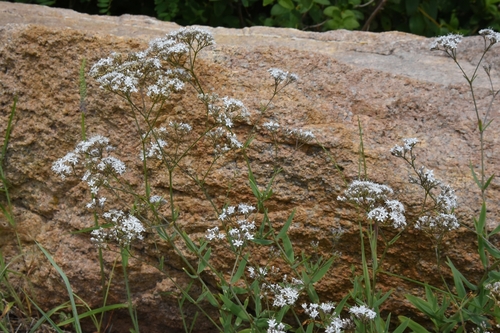
Dianthus plumarius
L.
Cottage pink, Laced pink
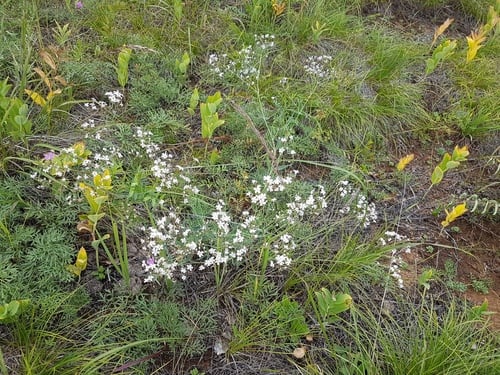
iNaturalist· cc-by-nc
(c) Liana Kirkey, some rights reserved (CC BY-NC), uploaded by Liana Kirkey
iNaturalist· cc-by-sa
(c) chipmunk_1, some rights reserved (CC BY-SA)
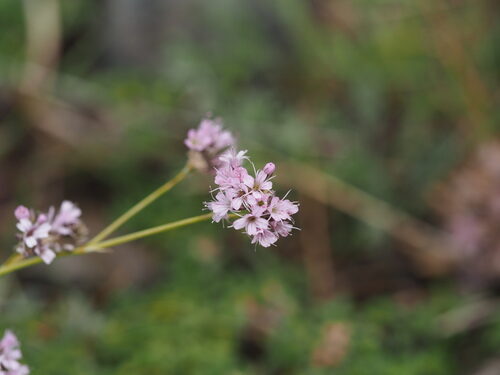
iNaturalist· cc-by-nc
(c) Jeff Skrentny, some rights reserved (CC BY-NC)
Summary
Source: WikipediaDianthus plumarius – also called the common pink, garden pink, wild pink, or simply pink – is a species of flowering plant in the family Caryophyllaceae.
Description
A plant that keeps growing from year to year. It grows 40 cm high and spreads 50 cm wide. The stems are slender and have joints. The leaves are narrow and clasp the stem. They taper to the tip. The flowers are reddish-purple. They are white around the edges.
Edible Uses
The petals are used to make cordials, syrups, sauces, and vinegars.
Traditional Uses
The flower petals are made into butters, cordials, syrups, suaces and vinegars.
This uses section is brief — help expand it
Medicinal Uses
No medicinal uses are known for this plant.
Distribution
It will grow in most well-drained soils. It is best in an open sunny position. It is resistant to frost and drought.
Where It Grows
Asia, Australia, Europe, Myanmar, SE Asia,
Cultivation
Prefers a neutral to slightly alkaline soil in a sunny well-drained position. Succeeds in dry soils and in poor soils. Plants can be grown on walls. There are many named forms, selected for their ornamental value. The flowers are very fragrant, diffusing a powerful clove-like scent. Individual plants become rather untidy after a few years and are best replaced every 2 - 4 years. Some older cultivars, such as 'Sops in Wine' have a tendency to flower themselves to death. These should be grown in a richer soil in order to encourage the production of more foliage and should not be allowed to flower in their first year.
Propagation
Seed: sow in spring in a greenhouse. Prick out seedlings into individual pots when large enough and grow on in the greenhouse through their first winter. Plant out into permanent positions in late spring or early summer, after the last expected frosts. Cuttings can be taken at flowering time, selecting shoots with four pairs of leaves and trimming just below a joint.
Other Uses
No other uses are known for this plant. Has scented flowers.
Also Known As
Zaw-hmwa
References (3)
- Bodkin, F., 1991, Encyclopedia Botanica. Cornstalk publishing, p 338
- Facciola, S., 1998, Cornucopia 2: a Source Book of Edible Plants. Kampong Publications, p 74
- Sp. pl. 1:411. 1753