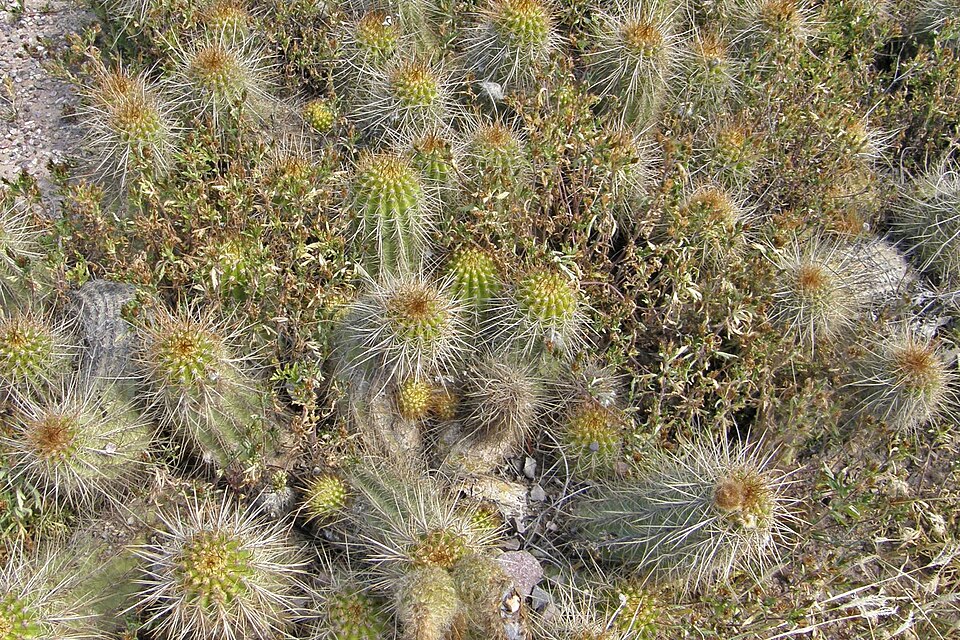
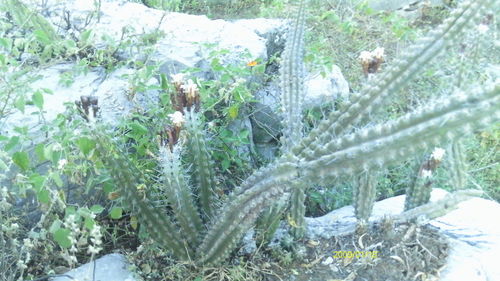
Opuntia tuna
(L.) Mill.
Tuna
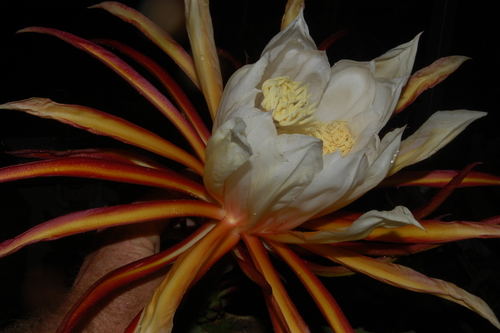
iNaturalist· cc-by-nc
(c) Liu JimFood, some rights reserved (CC BY-NC), uploaded by Liu JimFood
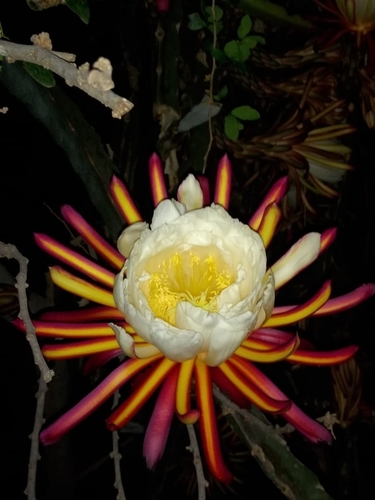
iNaturalist· cc-by-nc
(c) Kinmatsu Lin, some rights reserved (CC BY-NC), uploaded by Kinmatsu Lin
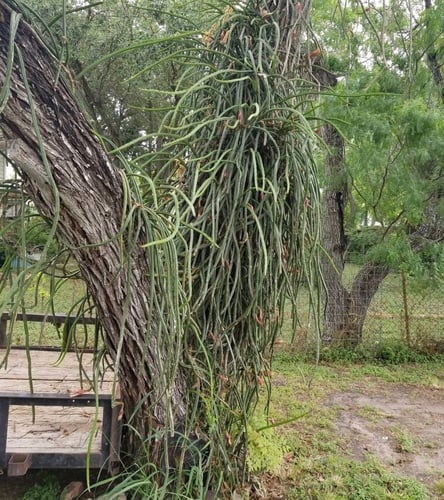
iNaturalist· cc-by-nc
(c) Liu JimFood, some rights reserved (CC BY-NC), uploaded by Liu JimFood
Summary
Source: WikipediaOpuntia tuna is a species of cactus in the genus Opuntia.
Description
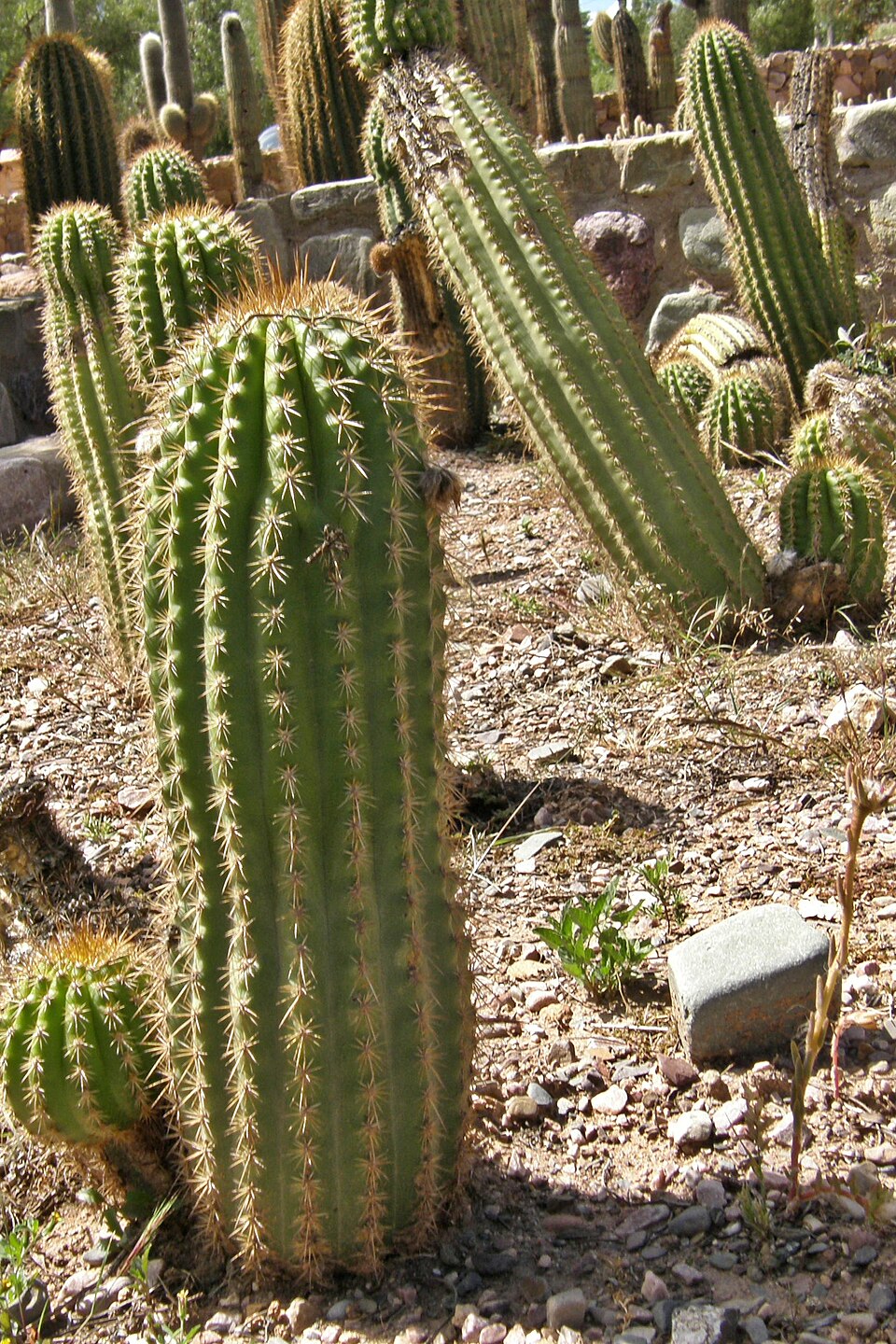
A spiny, shrubby cactus in the Cactaceae family growing about 1 m tall. Native to tropical regions, it grows in rocky and sandy places up to 120 m elevation.
Edible Uses
The fruit are eaten raw or used in pies, jellies, and to flavor sweets. Half-ripe fruit can be dried and have a flavor resembling apples. The tender pads are boiled and used as a vegetable in soups, stews, and omelettes.
Traditional Uses
The fruit are eaten raw. They are also used for pies and jellies and to flavour other sweets. The half ripe fruit are dried and have the flavour of apples. The tender pads are boiled and used as a vegetable. They are used in soups, stews and omelettes.
Medicinal Uses
We have no specific information on medicinal uses for this species, but the following notes are likely to apply universally to Opuntia species and other related genera. The flesh of tender young stem segments can be applied as a poultice to reduce inflammation. The mucilage and soluble fibre found in the flowers and stem segments have been shown to help control blood-sugar levels associated with adult-onset diabetes. There is clinical evidence that the soluble fibre in the stem segments helps reduce blood cholesterol levels.
Known Hazards
The plant has numerous minutely barbed glochids - these are barbed spines that are usually small to minute and are very sharp and brittle. The glochids are very easily dislodged when the plant is touched and can penetrate the skin where, because of their barbs, they become stuck and are very difficult to see and remove. They can cause considerable irritation and discomfort. Opuntia species can contain quite high levels of oxalic acid, especially in older parts of the plant. Perfectly alright in small quantities, foods containing oxalic acid should not be eaten in large amounts since it can lock-up other nutrients in the food, especially calcium, thus causing mineral deficiencies. The oxalic acid content will be reduced if the plant is cooked. People with a tendency to rheumatism, arthritis, gout, kidney stones or hyperacidity should take especial caution if including this plant in their diet since it can aggravate their condition.
Distribution
A tropical plant. It grows in rocky and sandy places. It grows up to 120 m above sea level.
Where It Grows
Africa, Central America, Dominican Republic, East Africa, Ecuador, Ghana, Jamaica, Mozambique, Senegal, South America, West Africa, West Indies,
Cultivation
Requires a sunny position in a well-drained soil.
Other Uses
Various parts of the plant are used as ingredients in commercial cosmetic preparations as skin, nail and hair conditioners. The plant is grown as a living fence to mark out boundaries and exclude grazing animals.
Synonyms
Also Known As
Higuera chumba, Higuera del diablo, Nopal, Panini, Xihaha
References (10)
- Arora, R. K., 2014, Diversity in Underutilized Plant Species - An Asia-Pacific Perspective. Bioversity International. p 80
- Burkill, H. M., 1985, The useful plants of west tropical Africa, Vol. 1. Kew.
- Facciola, S., 1998, Cornucopia 2: a Source Book of Edible Plants. Kampong Publications, p 66
- Fouqué, A. 1972. Espèces fruitières d'Amérique tropicale. Institut français de recherches fruitierès outre-me (As bomplandii)
- Gard. dict. ed. 8: Opuntia no. 3. 1768
Show all 10 references Hide references
- Kermath, B. M., et al, 2014, Food Plants in the Americas: A survey of the domesticated, cultivated and wild plants used for Human food in North, Central and South America and the Caribbean. On line draft. p 583 (As Opuntia bonplandii)
- Martin, F. W., et al, 1987, Perennial Edible Fruits of the Tropics. USDA Handbook 642 p 88 (As Opuntia bonplandii)
- Tanaka,
- Torre, de la, L., et al, 2008, Enciclopedia de las Plantas Útiles del Ecuador. Herbario QCA. Pontificia Universidad Católica del Ecuador. p 268
- World Checklist of Useful Plant Species 2020. Royal Botanic Gardens, Kew