Boehmeria spicata
(Thunb.) Thunb.
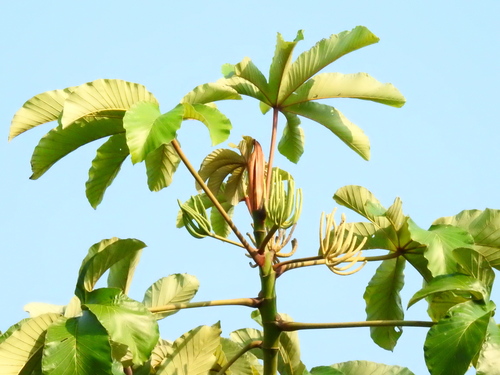
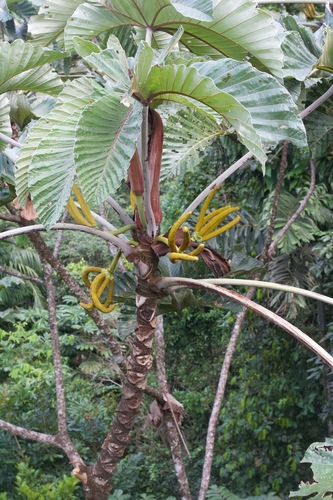
iNaturalist· cc-by-nc
(c) Stargazer, some rights reserved (CC BY-NC), uploaded by Stargazer
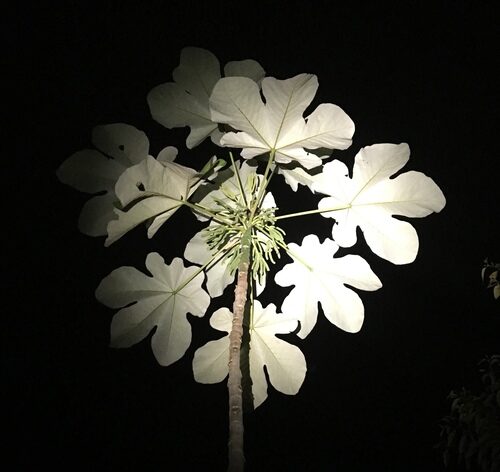
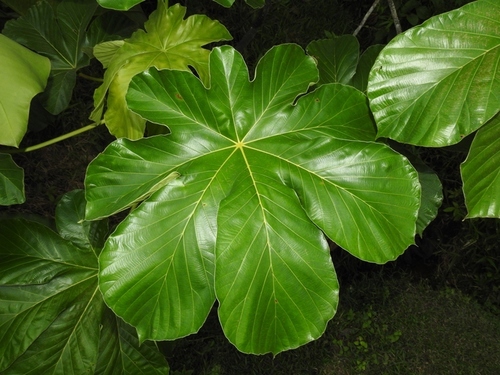
iNaturalist· cc-by-sa
(c) harum.koh, some rights reserved (CC BY-SA), uploaded by harum.koh
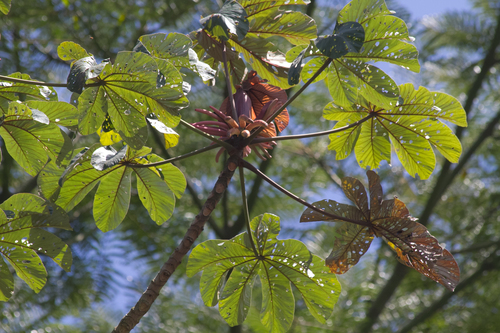
iNaturalist· cc-by-nc
(c) Stargazer, some rights reserved (CC BY-NC), uploaded by Stargazer
Summary
Source: WikipediaDeciduous shrub reaching 1 m tall. Flowers July to August with seeds ripening August to September. Dioecious species requiring both male and female plants for seed production. Grows in light sandy and medium loamy well-drained soils with mildly acid to basic pH. Tolerates semi-shade or full sun with preference for moist soil.
Description
A herb or small shrub. It can grow 1 m tall. The leaves are opposite and unequal in size. They are 3-8 cm long and 2-6 cm wide.
This description is brief — help expand it
Edible Uses
Edible Parts: Leaves Edible Uses: Young leaves - cooked. The stems and the leaves are dried and ground into a meal then used in dumplings.
Medicinal Uses
None known
Distribution
It is a temperate plant. It grows in Sichuan.
Where It Grows
Asia, China, Japan, Korea,
Propagation
Seed - sow spring in a warm greenhouse and only just cover the seed. When they are large enough to handle, prick the seedlings out into individual pots and grow them on in the greenhouse for at least their first winter. Plant them out into their permanent positions in late spring or early summer, after the last expected frosts. Division in spring. Very easy, larger divisions can be planted straight into their permanent positions whilst smaller clumps are best potted up and kept in a cold frame until they are growing away well. Layering. Basal cuttings in late spring. Harvest the shoots when they are about 10 - 15cm long with plenty of underground stem. Pot them up into individual pots and keep them in light shade in a cold frame or greenhouse until they are rooting well. Grow them on for their first winter in the cold frame and then plant them out in the summer.
Other Uses
Fibre The fibre obtained from the stems is used to make ropes, cloth and paper. Special Uses
Notes
There are about 100 Boehmeria species. They grow in the tropics and subtropics.
Synonyms
Also Known As
Honghema
References (4)
- Flora of China @ efloras.org Volume 5
- Kang, Y., et al, 2012, Wild food plants and wild edible fungi in two valleys on the Qinling Mountains (Shaanxi, central China) Journal of Ethnobiology and Ethnomedicine; 9:26
- Plants for a Future database, The Field, Penpol, Lostwithiel, Cornwall, PL22 0NG, UK. http://www.scs.leeds.ac.uk/pfaf/
- Trans Linn. Soc. London 2:330. 1794