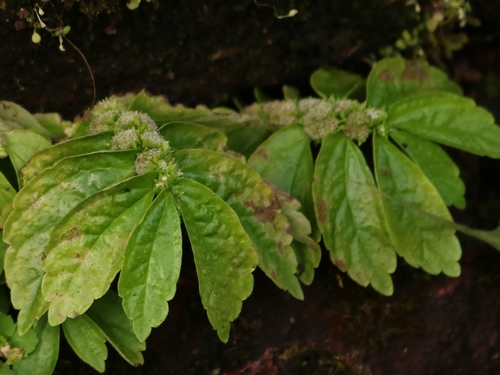
Cecropia distachya
Huber
Two spike pumpwood
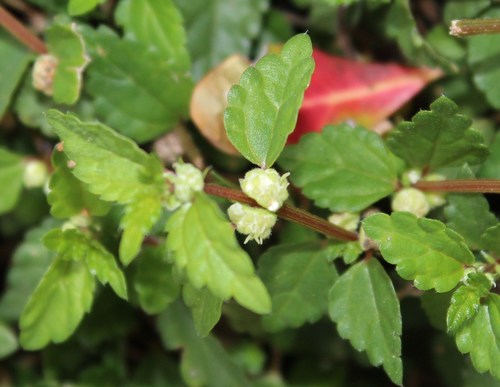
iNaturalist· cc-by-nc
(c) Maíra Santos, some rights reserved (CC BY-NC), uploaded by Maíra Santos
iNaturalist· cc-by-nc
(c) mapoflife_rapidassessments, some rights reserved (CC BY-NC)
iNaturalist· cc-by-nc
(c) Phil Kahler, some rights reserved (CC BY-NC), uploaded by Phil Kahler
Description
A tropical tree in the Urticaceae family, commonly known as two spike pumpwood.
This description is brief — help expand it
Edible Uses
The fruit are eaten.
Medicinal Uses
The wood from Cecropia trees is used by local people mainly to make musical instruments and tool handles. Flutes and guitars are commonly made of Cecropia wood. In addition, the wood is used for production of matches and cheap boxes. An attempt was made to use the wood to produce paper, but the wood pulp was too high in resin and it was not suitable. The fibers of the bark can be twisted into rope and the ropes are manufactured for bowstrings and hammocks. The leaves can also be burned and the ashes mixed in with roasted and powdered coca leaves to be placed between the cheek and gum under the tongue as “dip”. The main human use of Cecropia trees is planting them in soil erosion-prone areas. The trees make few demands on the soil and grow very quickly. The trees are used in clear-cut areas because they retain the soil, create new biomass, and allow other types of plants to settle in the area. Berg and Rosselli stated that decoctions of leaves are made to stimulate the cardiac system, to treat asthma and pneumonia, to treat diabetes and as a diuretic. Powder of leaves is used for control of Parkinson's disease and extract of roots is used to heal wounds or eczema. Red Cecropia (C. glaziovii) shows antidepressant-like activity in rats. Native peoples use Cecropia for food, firewood, and in herbalism; some species also have cultural significance. In Trinidad and Tobago, C. peltata root is chewed and given to dogs that have been bitten by venomous snakes as an emergency remedy (although there is no strong scientific evidence that this is useful). Cecropia leaves can be used as a substitute for sandpaper. In western South America, Cecropia leaf ash is used in the traditional preparation of ypadu, a mild coca-based stimulant. Cecropia bark can be used in rope making and in tannery. Cecropia wood is used in the manufacture of boxes, toys, aeromodeling models, and rafts.
Distribution
It is a tropical plant.
Where It Grows
Amazon, Bolivia, Brazil, Colombia, Ecuador, French Guiana, Peru, South America, Venezuela,
Synonyms
Also Known As
Cetico, Huaque, Setico de altura, Yagrumo morado
References (2)
- Grandtner, M. M. & Chevrette, J., 2013, Dictionary of Trees, Volume 2: South America: Nomenclature, Taxonomy and Ecology. Academic Press p 112
- Roa, J. A. G. & Boada, D. S. G., 2018, Fundación para el Fortalecimiento de la Fruticultura y Plantas Alimenticias no Convencionales en Colombia.