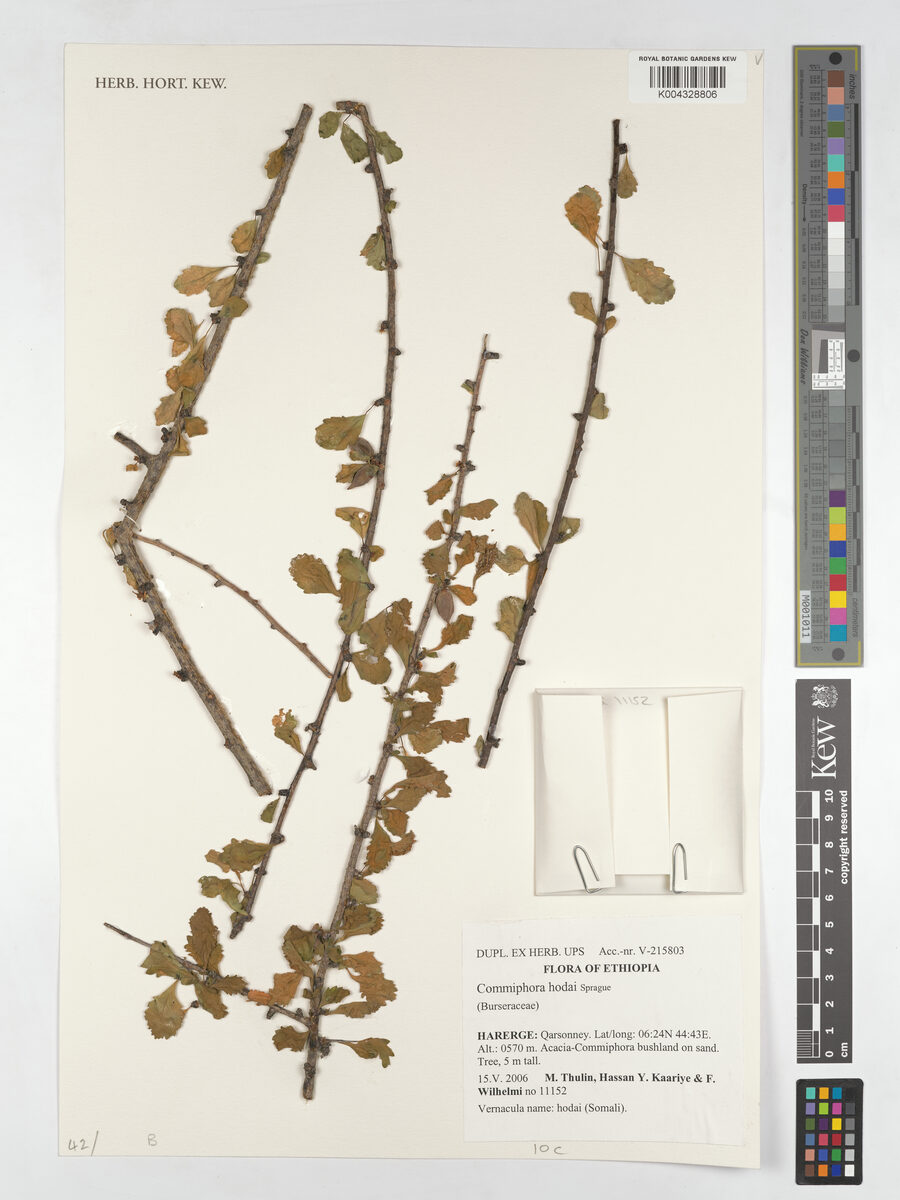
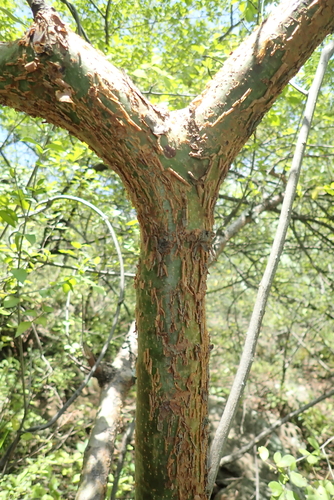
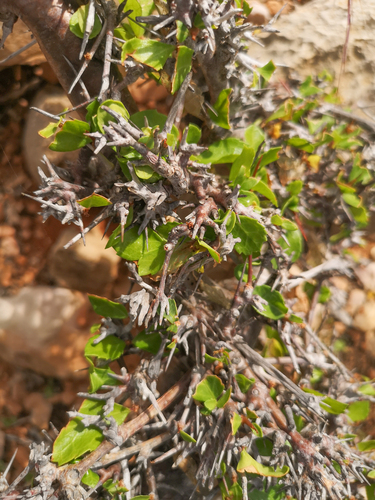
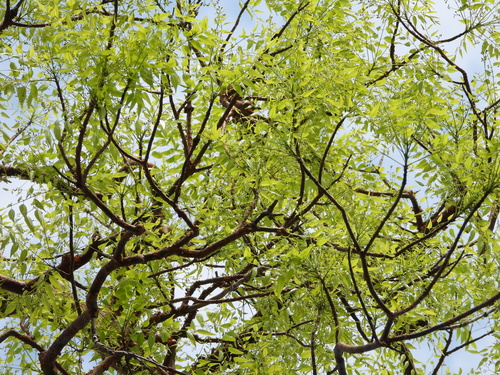
Commiphora myrrha
(Nees) Engl.
Myrrh
iNaturalist· pd
Brandt, Wilhelm; Gürke, M.; Köhler, F. E.; Pabst, G.; Schellenberg, G.; Vogtherr, Max., no known copyright restrictions (public domain)
iNaturalist· pd
Carson, Joseph; Colen, J. H.; Robert P. Smith., no known copyright restrictions (public domain)
iNaturalist· cc-by-nc-sa
(c) Ateah Alfakih, some rights reserved (CC BY-NC-SA)
Summary
Source: WikipediaCommiphora myrrha, called myrrh, Somali myrrh, herabol myrrh, common myrrh, is a tree in the family Burseraceae. It is one of the primary trees used in the production of myrrh, a resin made from dried tree sap. The Commiphora myrrha tree is indigenous to Somalia, in the Somali regions of Ethiopia and Kenya, Djibouti, Eritrea and parts of the Arabian Peninsula (Yemen and Oman). Myrrh is a fragrant gum resin that is similar to frankincense. The tree species that produces myrrh (Commiphora myrrha) thrives well in the arid and semi-arid regions. Somalia is the largest producer of both myrrh and frankincense. Myrrh has been used historically for over 3,000 years. Evidence of its use may be found as far back as the early days of ancient Egypt. It was employed there for embalming in a manner akin to that of frankincense. However, the raw material has also been used as incense for a very long time. Myrrh was and is still used for ceremonial incense and anointing in a number of nations, including Somalia, Ethiopia, Sudan, and Yemen.
Description
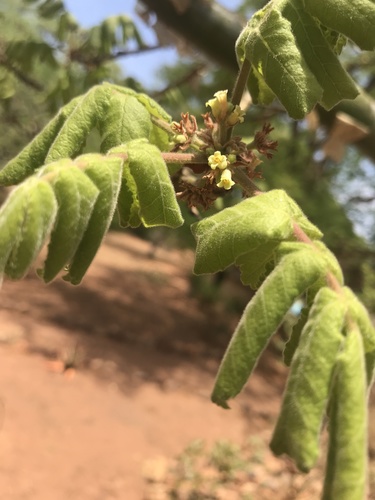
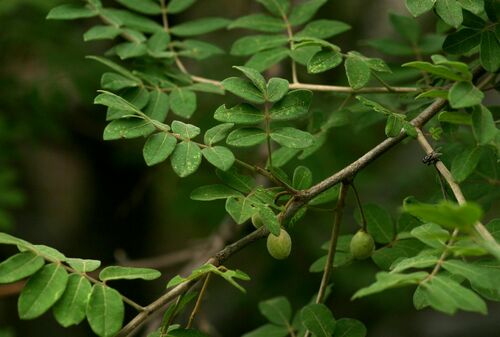
A spiny tree that loses its leaves. It grows 5 m high and spreads 1.5 m wide. The leaves have 3 leaflets. They are oblong to oval. The end leaflet is about 1 cm long. The flowers are yellow-red and have 4 petals. The fruit are narrowly oval and 7 mm long.
Edible Uses
A fragrant, balsam-like gum oleo-resin is extracted from wounds in the bark of the stems and used as a flavouring in beverages, baked goods, sweets, desserts, and chewing gum.
Traditional Uses
The gum or resin is used to flavour soft drinks, soups, baked goods, puddings, candy and chewing gum. It is used in Swedish bitters - a tonic drink.
This uses section is brief — help expand it
Medicinal Uses
The resin from the bark is a pungent, astringent, aromatic herb with strong stimulant, antiseptic, and expectorant properties. It relieves spasms, inflammation, and digestive discomfort, and encourages healing. It is particularly associated with women's health and purification rituals. Taken internally, it is used to treat dyspepsia, bronchial and ear infections, glandular fever, tonsillitis, pharyngitis, gingivitis, and menstrual and circulatory problems. Applied externally, it treats mouth ulcers, wounds, and boils, and is frequently added to oral preparations. It is considered one of the most effective herbal medicines for sore throats, mouth ulcers, and gingivitis. Its mild astringency also makes it useful for acne, boils, and mild inflammatory skin conditions. The resin is collected from cut branches and dried to a solid, which can then be distilled for oil, ground into a powder for tablets, or dissolved in tinctures. Aromatherapists use the essential oil derived from the resin as a natural antiseptic for skin and mouth problems.
Known Hazards
This herb is contraindicated during pregnancy because of its emmenagogic activity. It is advisable to dilute myrrh before use and administer moderate doses. Allergic reactions have been observed.
Distribution
A Mediterranean plant. It needs a temperature above 10-15°C. It grows best in bare, hot, dry soils. It needs an open sunny position. It is resistant to drought and frost.
Where It Grows
Africa, Arabia, Asia, Australia, Djibouti, East Africa, Ethiopia, Kenya, Mediterranean, Middle East, Saudi Arabia, Somalia*, Yemen,
Cultivation
Plants can be grown by seeds or cuttings.
Propagation
Propagate from seed or hardwood cuttings taken at the end of the growing season.
Other Uses
The plant yields a hard, translucent, yellowish gum-resin from wounds in the stem. It has an aromatic taste and odour, can be acrid and bitter, and is inflammable though burns feebly. It is used in perfumery and as incense in religious ceremonies, and was historically used in embalming. Myrrh is a common ingredient in toothpowder and is combined with borax in tincture, along with other ingredients, as a mouthwash. An essential oil can also be obtained from the plant; it is deep amber in colour with a warm, spicy, bitter, and smoky aroma and is valued for meditation and by aromatherapists for skin and mouth problems. The species also serves an agroforestry role, protecting soil in wind-erosion-prone areas.
Synonyms
Also Known As
Dheddin, Dhidin malmal, Somali myrrh
References (16)
- Bodkin, F., 1991, Encyclopedia Botanica. Cornstalk publishing, p 274
- Brown, D., 2002, The Royal Horticultural Society encyclopedia of Herbs and their uses. DK Books. p 176
- Burdock, (As Commiphora molmol)
- A. L. P. P. de Candolle & A. C. de Candolle, Monogr. phan. 4:12. 1883
- H. G. A. Engler & K.A.E. Prantl, Nat. Pflanzenfam. ed. 2, 19a:436. 1931 (ex Tschirch, Handb. Pharmakogn. 3:1117. 1935) (As Commiphora molmol)
Show all 16 references Hide references
- Facciola, S., 1998, Cornucopia 2: a Source Book of Edible Plants. Kampong Publications, p 62 (Also as Commiphora molmol)
- INFOODSUpdatedFGU-list.xls
- Mahony, D., 1991, Trees of Somalia. A Field Guide for Development Workers. Oxfam Research Paper 3. p 57
- Molla, A., Ethiopian Plant Names. http://www.ethiopic.com/aplants.htm
- Morgan, W. T. W., 1981, Ethnobotany of the Turkana: Use of plants by a Pastoral People and Their Livestock in Kenya. Economic Botany 35(1):96-130 (As Commiphora coriacea)
- Morton,
- Mutie, F. M., et al, 2023, Important Medicinal and Food Taxa (Orders and Families) in Kenya, Based on Three Quantitative Approaches. Plants 2023, 12, 1145
- Peters, C. R., O'Brien, E. M., and Drummond, R.B., 1992, Edible Wild plants of Sub-saharan Africa. Kew. p 72 (As Commiphora coriacea)
- Seidemann J., 2005, World Spice Plants. Economic Usage, Botany, Taxonomy. Springer. p 115 (As Commiphora myrrha var. molol)
- Wiersema, J. H. & Leon, B., 2013, World Economic Plants. A Standard Reference CRC Press. 2nd Ed. p 194
- World Checklist of Useful Plant Species 2020. Royal Botanic Gardens, Kew