Thelesperma filifolium
(Hook.) A. Gray
Showy Navajo tea
iNaturalist· cc-by-nc
(c) Philip Woods, some rights reserved (CC BY-NC), uploaded by Philip Woods
iNaturalist· cc-by-nc
(c) Philip Woods, some rights reserved (CC BY-NC)
Summary
Source: WikipediaThelesperma filifolium, commonly known as stiff greenthread, or plains greenthread, is a species of flowering plant in the aster family, Asteraceae. It is often found growing in shallow soils. It prefers disturbed sites in dry, sandy or gravelly soil with a neutral to basic pH. Stiff greenthread adapts to various soil conditions, including loam, clay, caliche, and roadsides. It generally flowers from March to August, sometimes into October.
Description
A herb in the daisy family growing 10-40 cm tall with lobed leaves, found in temperate regions. The leaves and flowers are distinctive for their use as a tea substitute.
Edible Uses
The leaves and flowers are used as a substitute for tea. Seeds are also edible.
Traditional Uses
The leaves and flowers are used as a substitute for tea.
This uses section is brief — help expand it
Medicinal Uses
The crushed leaves offer a pleasant aroma and can be made into tea, which is sometimes used medicinally by several Native American tribes. This is especially widespread among southwest tribes, where it is named Navajo tea, Hopi tea, or Indian tea. Stiff greenthread has traditionally been used by Diné (Navajo) and Ndé (Apache) as a tea. For the tea, the stem, leaves, and flowers were steeped, to be used as an astringent, to reduce mucus secretions, to reduce fevers, to treat kidney problems, as a vermifuge, to relieve stomach aches and other digestive ailments, and against sexually transmitted infections. The leaves were chewed to relieve toothache.
Distribution
It is a temperate plant.
Where It Grows
North America, USA,
Synonyms
Also Known As
Cota
References (7)
- Beckstrom-Sternberg, Stephen M., and James A. Duke. "The Foodplant Database." http://probe.nalusda.gov:8300/cgi-bin/browse/foodplantdb.(ACEDB version 4.0 - data version July 1994) (As Thelesperma trifidum)
- Facciola, S., 1998, Cornucopia 2: a Source Book of Edible Plants. Kampong Publications, p 44
- Hooker's J. Bot. Kew Gard. Misc. 1:252. 1849 [As Thelesperma filifolium]
- Jordan, J., et al, 2006, Vascular Plants Utilized by the Plains Apache in Southwestern Oklahoma, Publications of the Oklahoma Biological Survey. 2nd Series. Volume 7: 24-33, 2006 (As var. intermedium)
- Kermath, B. M., et al, 2014, Food Plants in the Americas: A survey of the domesticated, cultivated and wild plants used for Human food in North, Central and South America and the Caribbean. On line draft. p 861
Show all 7 references Hide references
- Moerman, D. F., 2010, Native American Ethnobotany. Timber Press. p 555
- Trans. New York Acad. Sci. 9:182. 1890 (As Thelesperma trifidum)
More from Asteraceae
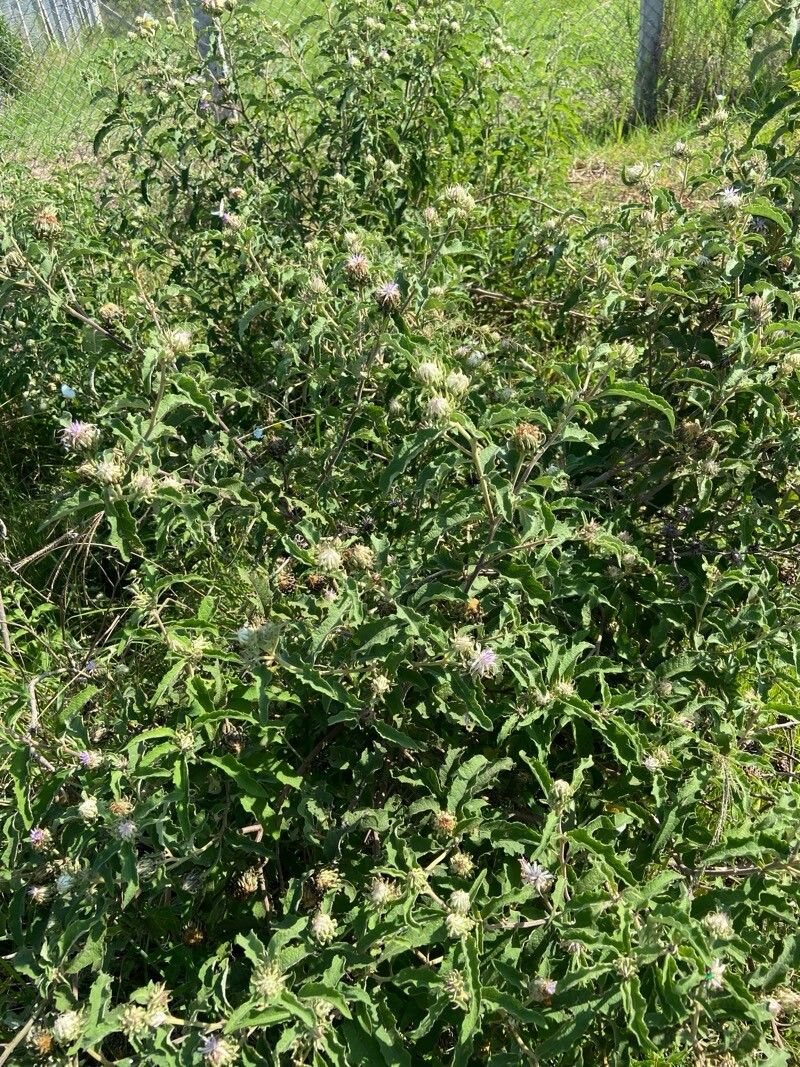
Baccharoides lasiopus
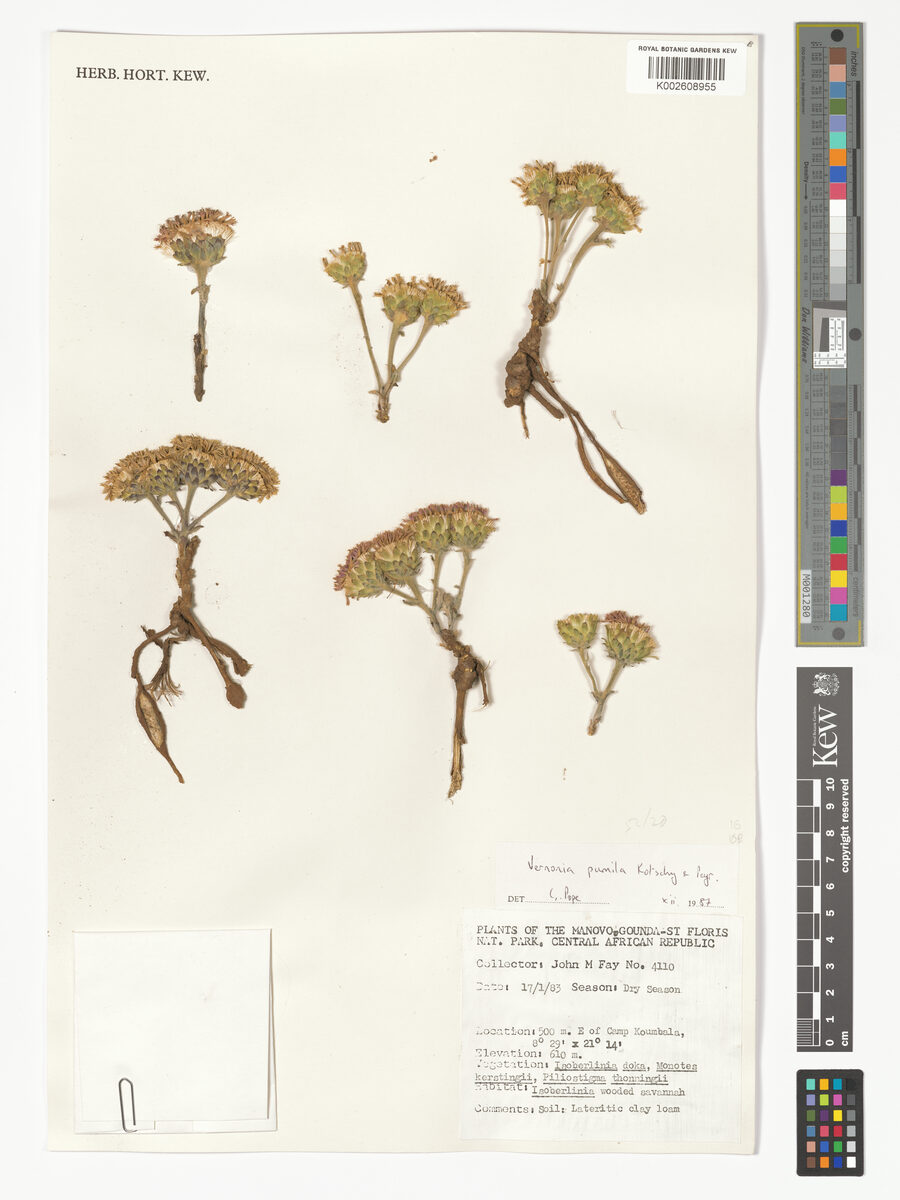
Baccharoides pumila
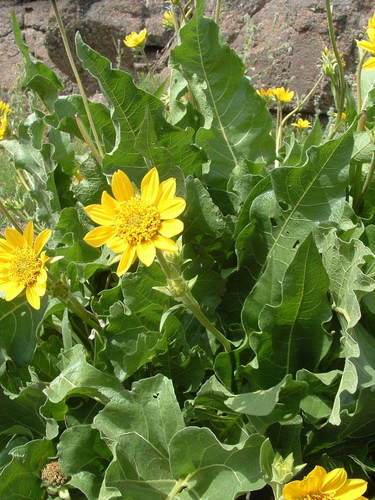
Balsamorhiza deltoidea
Deltoid balsamroot, Puget balsam-root
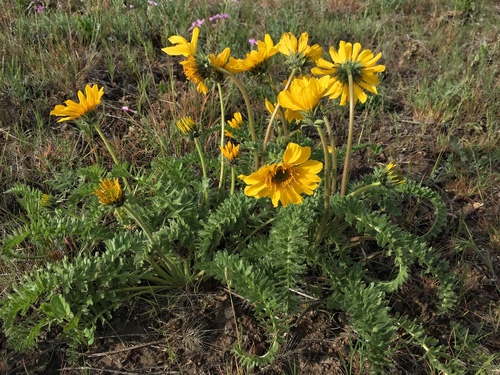
Balsamorhiza hookeri
Balsam root, Hairy Balsamroot, Hooker's Balsamroot, Rabbithead Balsamroot
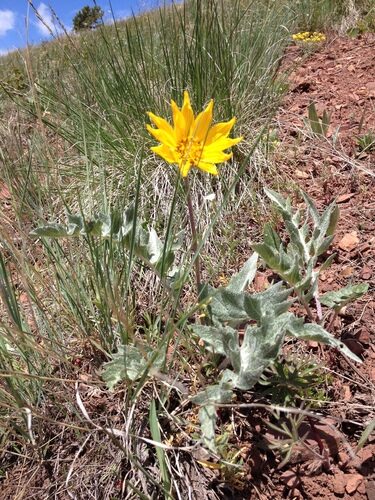
Balsamorhiza incana
Hoary Balsamroot
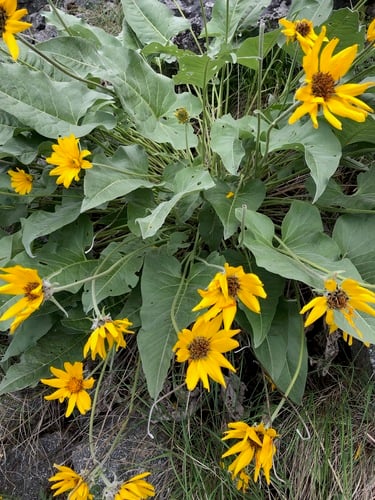
Balsamorhiza sagittata
Oregon Sunflower, Arrowroot balsamroot, Breadroot, Grey dock, Arrowleaf balsam-root