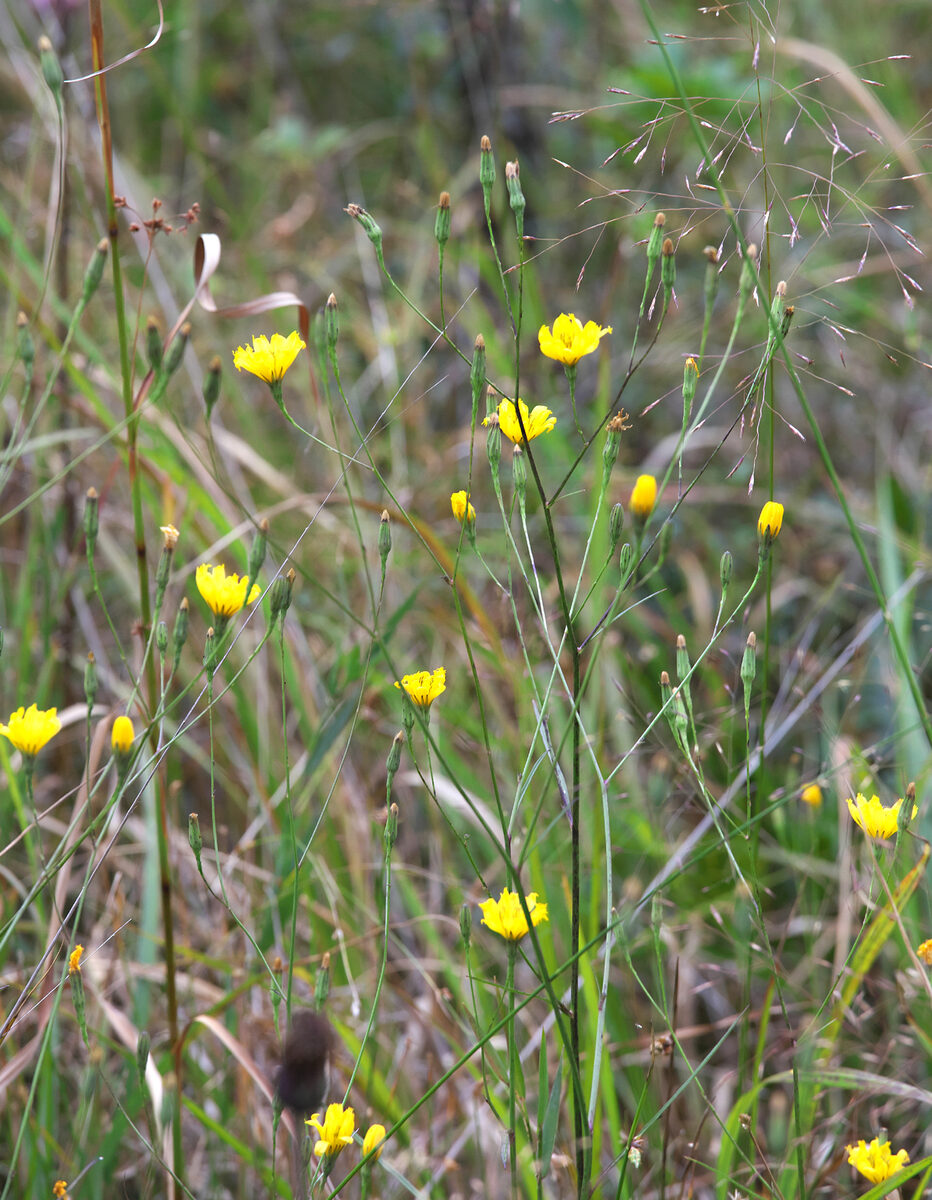
Lactuca viminea
(L.) J. Presl. & C. Presl.
Pliant lettuce
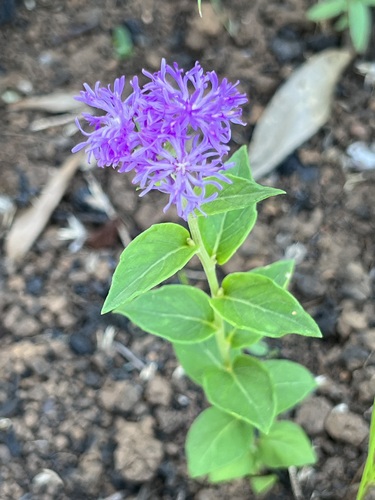
iNaturalist· cc-by-nc
(c) José María, some rights reserved (CC BY-NC), uploaded by José María
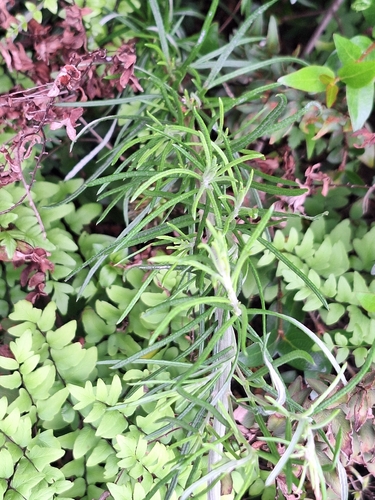
iNaturalist· cc-by-nc
(c) José María, some rights reserved (CC BY-NC), uploaded by José María
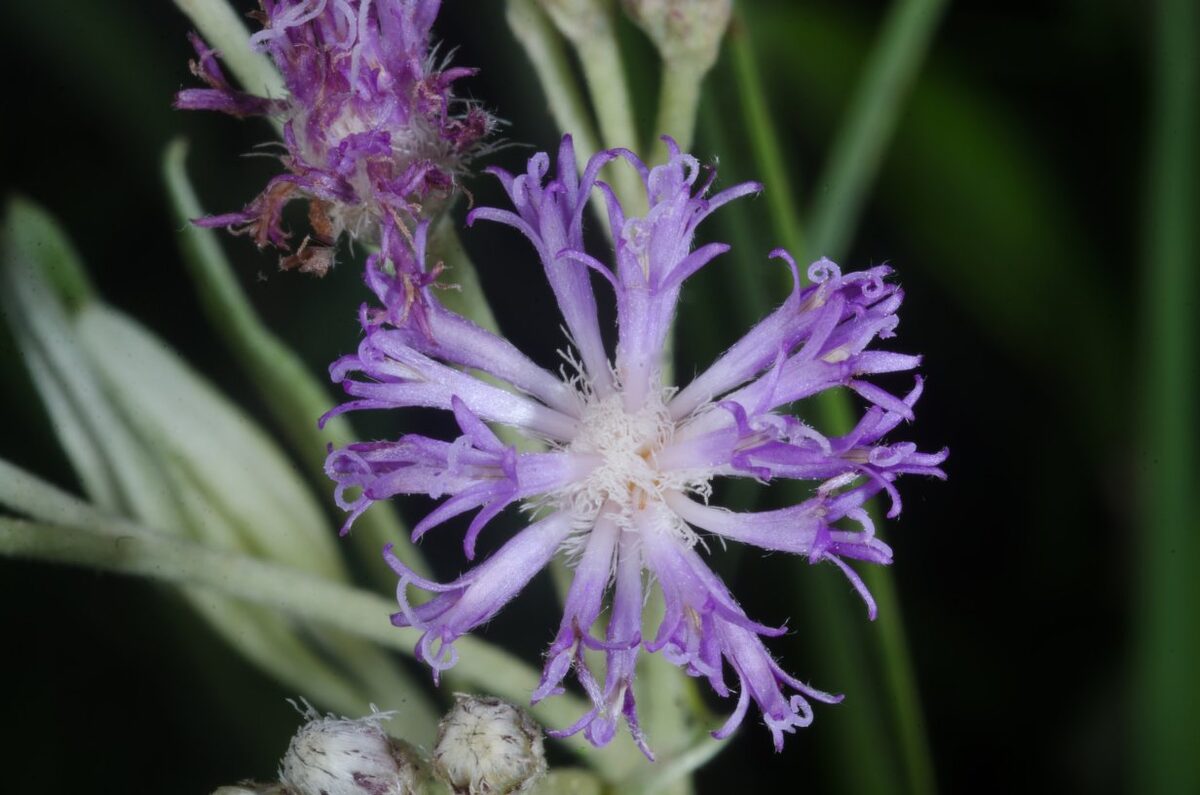
iNaturalist· cc-by-nc
(c) brandao, some rights reserved (CC BY-NC)
Summary
Source: WikipediaLactuca viminea, the pliant lettuce, is a Eurasian plant species in the tribe Cichorieae within the family Asteraceae. It is widespread across much of Europe and southwestern Asia from Portugal to Pakistan. Lactuca viminea is a branching subshrub up to 30 cm tall. Leaves near the base are pinnately lobed, but the leaves on the stem are narrow and linear, not lobed, becoming smaller higher up the plant. The uppermost leaves are pressed against the stem and almost scale-like. Flower heads have 4–5 yellow ray flowers, but no disc flowers. Subspecies Lactuca viminea subsp. chondrilliflora (Boreau) St.-Lag. Lactuca viminea subsp. ramosissima (All.) Arcang. Lactuca viminea subsp. viminea
Description
A herb or small shrub. It grows 30 cm tall. The leaves near the base are divided like fingers of a hand. The leaves ont he stem are narrow. They get smaller up the plant. The flower heads have 4-5 yellow ray flowers.
Edible Uses
The basal leaves are eaten boiled and used in salads seasoned with oil. The tender middle stem is cooked like asparagus.
Traditional Uses
The leaves at the base are eaten boiled and used in salads seasoned with oil. The tender middle stem is cooked like asparagus.
This uses section is brief — help expand it
Distribution
It is a Mediterranean climate plant.
Where It Grows
Albania, Asia, Balkans, Canary Islands, Caucasus, Europe, Greece, Italy, Mediterranean, Pakistan, Portugal, Sicily, Spain, Turkey, Türkiye,
Synonyms
Also Known As
Achicoria, Ewa di scussuni, Poi botinari, Pricaddhida, Spaccaprete
References (11)
- Biscotti, N. & Pieroni, A., 2015, The hidden Mediterranean diet: wild vegetables traditionally gathered and consumed in the Gargano area, Apulia, SE Italy. Acta Societatis Botanicorum Poloniae 84 (3): 327-338
- Biscotti, N. et al, 2018, The traditional food use of wild vegetables in Apulia (Italy) in the light of Italian ethnobotanical literature. Italian Botanist 5:1-24
- Ertug, F, Yenen Bitkiler. Resimli Türkiye Florası -I- Flora of Turkey - Ethnobotany supplement
- Geraci, A., et al, 2018, The wild taxa utilized as vegetables in Sicily (Italy): a traditional component of the Mediterranean diet. Journal of Ethnobiology and Ethnomedicine (2018) 14:14
- Lentini, F. and Venza, F., 2007, Wild food plants of popular use in Sicily. J Ethnobiol Ethnomedicine. 3: 15
Show all 11 references Hide references
- Licata, M., et al, 2016, A survey of wild plant species for food use in Sicily (Italy) – results of a 3-year study in four Regional Parks. Journal of Ethnobiology and Ethnomedicine 12:12
- Nebel, S., Pieroni, A. & Heinrich, M., 2006, Ta cho`rta: Wild edible greens used in the Graecanic area in Calabria, Southern Italy. Appetite 47 (2006) 333–342
- Pasta, S., et al, 2020, An Updated Checklist of the Sicilian Native Edible Plants: Preserving the Traditional Ecological Knowledge of Century-Old Agro-Pastoral Landscapes. Frontiers in Plant Science. Volume 11|Article 388
- Rivera, D. et al, 2006, Gathered Mediterranean Food Plants - Ethnobotanical Investigations and Historical Development, in Heinrich M, Müller WE, Galli C (eds): Local Mediterranean Food Plants and Nutraceuticals. Forum Nutr. Basel, Karger, 2006, vol 59, pp 18–74
- Tardio, J., et al, Ethnobotanical review of wild edible plants in Spain. Botanical J. Linnean Soc. 152 (2006), 27-71
- Tareen, N. M., et al, 2016, Ethnomedicinal Utilization of Wild Edible Vegetables in District Harnai of Balochistan Province - Pakistan. Pakistan Journal of Botany 48(3): 1159-1171