Artemisia afra
Jacq. ex Willd.
African wormwood
iNaturalist· cc-by-nc
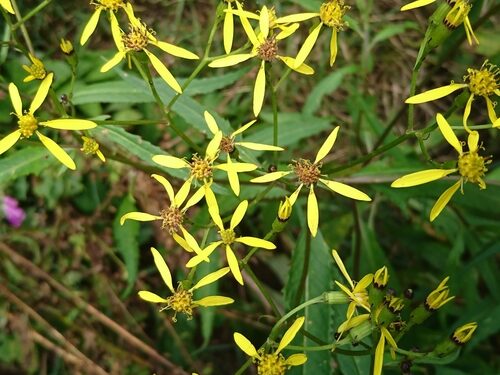
(c) mary-hunter, some rights reserved (CC BY-NC), uploaded by mary-hunter
iNaturalist· cc-by-nc
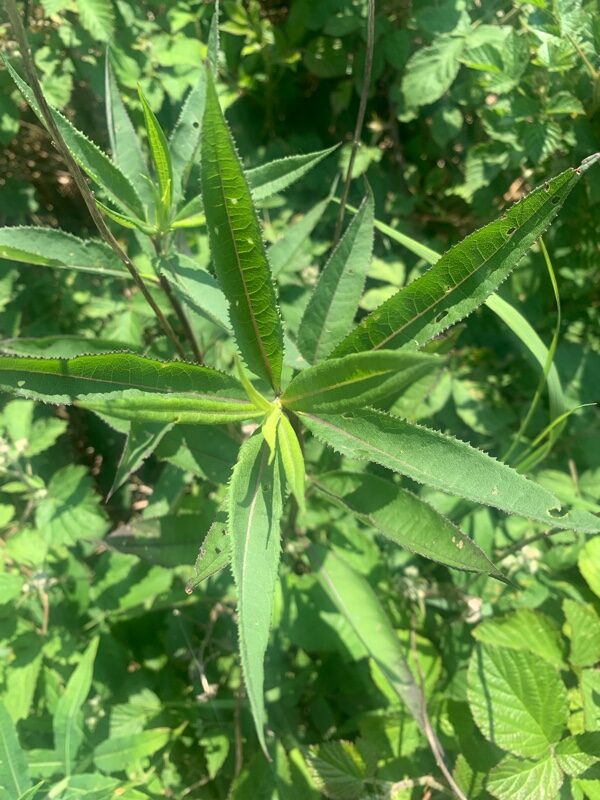
(c) Anthony Kaschula, some rights reserved (CC BY-NC), uploaded by Anthony Kaschula
iNaturalist· cc-by-sa
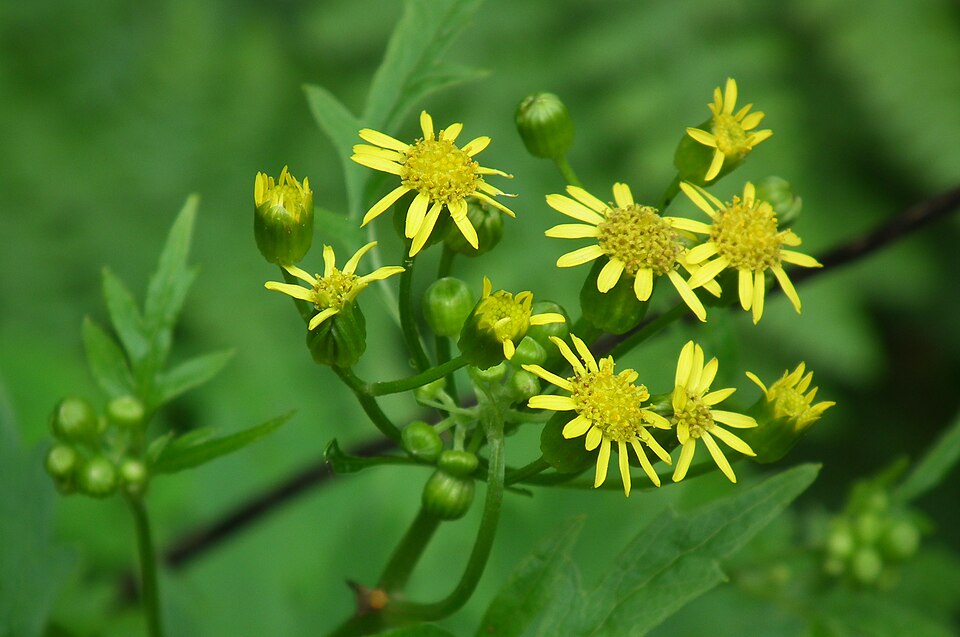
(c) Nicola van Berkel, some rights reserved (CC BY-SA), uploaded by Nicola van Berkel
Summary
Source: WikipediaArtemisia afra, the African wormwood, is a common species of the genus Artemisia in Africa, with a wide distribution from South Africa to areas reaching to the North and East, as far north as Ethiopia.
Description
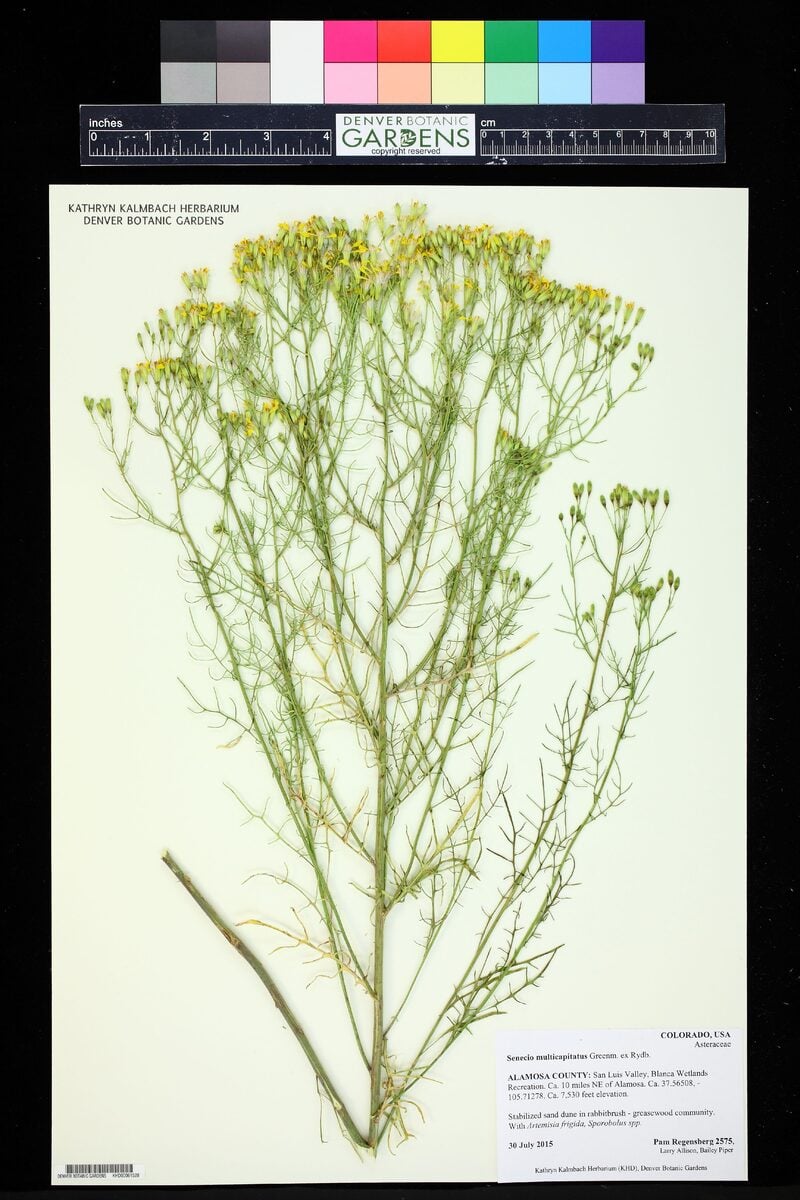
A shrub. It is erect. It grows 75-250 cm high. It has some hairs but under the leaves are thickly white and hairy. The leaves are alternate and feathery. They are divided 2 or 3 times. The last segments are narrow. The edges curve backwards. There are many flower heads. The flowers are tube shaped. They are yellow.
Edible Uses
The leaves are used as a tea substitute and have been used to flavour beer.
Traditional Uses
The leaves have been used to flavour beer. They are used as a tea substitute.
This uses section is brief — help expand it
Medicinal Uses
It has been used for many things. It has been used as a blood purifier, used to make bitter tea, and to treat every disease under the sun. People would put fresh leaves into nostrils to clear blocked nasal passages. Hot leaves were bound over sprains. It has been ground into a powder to deter ants. Moths, insects, and fleas probably don't like it too, as it has been used as a repellent. It has been used to treat malaria, which lacks scientific evidence, and the study found no interesting compounds, including artemisinin, which is used to treat malaria. The leaves have been put in socks to help treat sweaty feet. It has been used as an infusion, a quarter cup of fresh A. afra leaves are put in a cup of boiling water, and the infusion is allowed to cool for 10 minutes. After that, it is strained and mixed with honey. A sesquiterpene lactone from afra had cytotoxicity. It has a lot of genetic variation, especially when it comes to chemical variation.
Distribution
It is a tropical plant. In Swaziland it is rare. In Malawi it grows on the edges of forests and in rocky places at 2,000-2,450 m altitude. It can grow from 20-4,050 m above sea level. It grows in hot arid areas. It can grow in arid places.
Where It Grows
Africa, Angola, Botswana, Central Africa, Congo, East Africa, Eswatini, Ethiopia, Kenya, Lesotho, Malawi, Mozambique, Namibia, South Africa, Southern Africa, Swaziland, Tanzania, Uganda, Zambia, Zimbabwe,
Cultivation
A plant of drier areas in the subtropics and tropics, where it is found at elevations up to 3,000 metres. It grows best in areas where annual daytime temperatures are within the range 22 - 30°c, but can tolerate 12 - 35°c. It prefers growing in areas with a distinct dry season and a mean annual rainfall in the range 550 - 750mm, but tolerates 400 - 900mm. Requires a position in full sun in a well-drained, fertile, light to medium soil. Prefers a pH in the range 5.5 - 6, tolerating 5 - 7. The plant has a strong, sticky sweet smell that it exudes when touched or cut. Heavy pruning in the dormant season encourages plenty of new lush growth. A fast-growing plant, established shrubs are very tough and will slowly spread to form thicker clumps.
Propagation
Seed - Division. Cuttings normally root easily.
Other Uses
The aroma of the plant repels insects and is used in natural insecticidal sprays and as a moth repellent.
Nutrition
| Part | Moisture | kJ | kcal | Protein | Vit A | Vit C | Iron | Zinc |
|---|---|---|---|---|---|---|---|---|
| Leaves - flavour | 7.3 | 1009 | 241 | 9.4 | — | — | 46.3 | 8.3 |
Synonyms
Also Known As
Entilili, Fifi, Lengana, Lingana, Umhlonyane
References (14)
- Facciola, S., 1998, Cornucopia 2: a Source Book of Edible Plants. Kampong Publications, p 33
- Fowler, D. G., 2007, Zambian Plants: Their Vernacular Names and Uses. Kew. p 12
- Molla, A., Ethiopian Plant Names. http://www.ethiopic.com/aplants.htm
- Motlhanka, D. M. & Makhabu, S. W., 2011, Medicinal and edible wild fruit plants of Botswana as emerging new crop opportunities. Journal of Medicinal Plants Research Vol. 5(10), pp. 1836-1842
- Royal Botanic Gardens, Kew (1999). Survey of Economic Plants for Arid and Semi-Arid Lands (SEPASAL) database. Published on the Internet; http://www.rbgkew.org.uk/ceb/sepasal/internet [Accessed 10th April 2011]
Show all 14 references Hide references
- Ruiters-Welcome, A. K., 2019, Food plants of southern Africa. Ph.D. thesis. Univ. of Johannesburg p 32
- Seidemann J., 2005, World Spice Plants. Economic Usage, Botany, Taxonomy. Springer. p 52
- Sp. pl. 3(3):1820. 1803; Pl. hort. schoenbr. 4:34, t. 467. 1804
- Swaziland's Flora Database http://www.sntc.org.sz/flora
- Trendafilova, A., et al, 2020, Research Advances on Health Effects of Edible Artemisia Species and Some Sesquiterpene Lactones Constituents. Foods 2021, 10, 65. p 4
- Wehmeyer, A. S, 1986, Edible Wild Plants of Southern Africa. Data on the Nutrient Contents of over 300 species.
- Welcome, A. K. & Van Wyk, B.-E., 2019, An inventory and analysis of the food plants of southern Africa. South African Journal of Botany 122 (2019) 136–179
- White, F., Dowsett-Lemaire, F. and Chapman, J. D., 2001, Evergreen Forest Flora of Malawi. Kew. p 200
- World Checklist of Useful Plant Species 2020. Royal Botanic Gardens, Kew