Acmella oppositifolia
(Lam.) R. K. Jansen
Linta, Iwasi
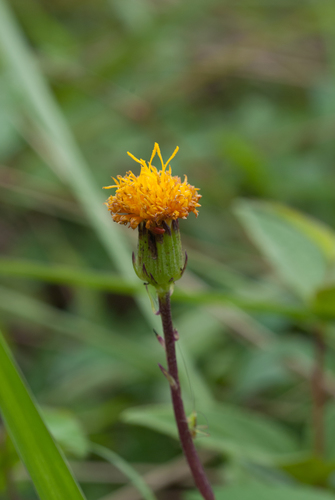
iNaturalist· cc-by-nc
(c) Don Verser, some rights reserved (CC BY-NC), uploaded by Don Verser
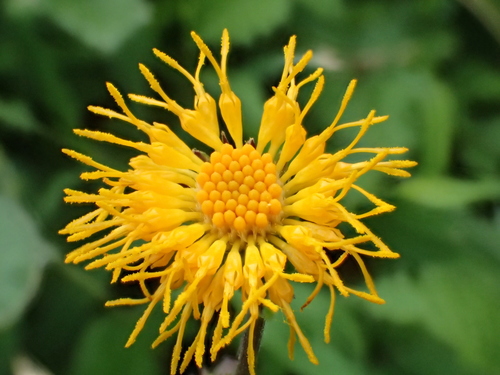
iNaturalist· cc-by-nc
(c) Jim Varnum, some rights reserved (CC BY-NC), uploaded by Jim Varnum
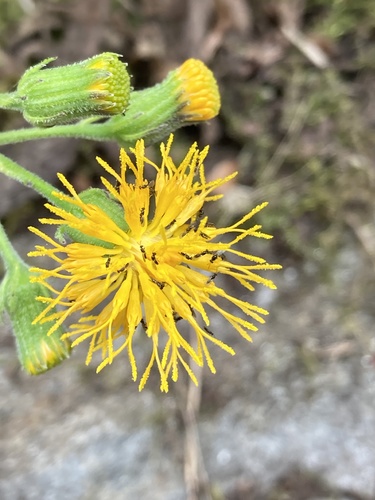
iNaturalist· cc-by-nc
(c) Pauline Singleton, some rights reserved (CC BY-NC), uploaded by Pauline Singleton
Description
A shrub or small tree. It grows 5 m tall. There are prickles along the stem. The leaves are twice divided and there are 8-18 pairs of pinnae. There are up to 50 pairs of pinnules on each pinnae. The flowers are yellow. They are in large clusters at the ends of branches. The pods are flattened.
Edible Uses
The stems and flowers are chopped and mixed with salt, chilli, and other plants. The stems, flowers, and leaves are all edible.
Traditional Uses
The stems and flowers are chopped and mixed with salt, chilli, and other plants.
This uses section is brief — help expand it
Distribution
It is a subtropical plant. It grows in low wet woodland and near swamps. In Argentina it grows from sea level to 3,000 m above sea level.
Where It Grows
Argentina, Bolivia, Central America, North America, Paraguay, South America, USA,
Synonyms
Also Known As
Nambi mi, Nambiwasu, Yuyo picante
References (4)
- Arenas, P. and Scarpa, G. F., 2006, Edible wild plants of the Chorote Indians, Gran Chaco, Argentina. Botanical Journal of the Linnean Society. Vol. 153 (1): pp 73-85
- Kermath, B. M., et al, 2014, Food Plants in the Americas: A survey of the domesticated, cultivated and wild plants used for Human food in North, Central and South America and the Caribbean. On line draft. p 18
- Montani, M. C. & Scarpa, G. F., 2016, Recursos vegetales y prácticas alimentarias entre indígenas tapiete del noreste de la provincia de Salta, Argentina. Darwiniana, nueva serie vol.4 no.1 San Isidro jul. 2016
- Scarpa, G. F., 2009, Wild food plants used by the indigenous peoples of South American Gran Chaco: A general synopsis and intercultural comparison. Journal or Applied Botany and Food Quality 83:90-101