Narcissus jonquilla
L.
Jonquil
iNaturalist· cc-by-nc
(c) G. L. Dearman, some rights reserved (CC BY-NC), uploaded by G. L. Dearman
iNaturalist· cc-by-nc
(c) Víctor Alonso, some rights reserved (CC BY-NC), uploaded by Víctor Alonso
iNaturalist· cc-by-nc
(c) Crystal Mann, some rights reserved (CC BY-NC), uploaded by Crystal Mann
Summary
Source: WikipediaNarcissus jonquilla, commonly known as jonquil or rush daffodil, is a bulbous flowering plant, a species of the genus Narcissus (daffodil) that is native to Spain and Portugal but has now become naturalised in many other regions: France, Italy, Turkey, the former Yugoslavia, Madeira, British Columbia in Canada, Utah, Illinois, Minnesota, Ohio, and the southeastern United States from Texas to Maryland. Narcissus jonquilla bears long, narrow, rush-like leaves (hence the name jonquil, Spanish junquillo, from the Latin juncus 'rush'). In late spring it bears heads of up to five scented yellow or white flowers. It is a parent of numerous varieties within Division 7 of the horticultural classification. Division 7 in the Royal Horticultural Society classification of Narcissus includes N. jonquilla and N. apodanthus hybrids and cultivars that show clear characteristics of those two species. N. jonquilla has been cultivated since the 18th century in France as the strongest of the Narcissus species used in narcissus oil, a component of many modern perfumes.
Description
A bulb growing 30cm tall by 10cm wide, hardy to UK zone 4 and not frost tender. Flowers appear in April. The plant is hermaphroditic and bee-pollinated. It thrives in light sandy, medium loamy, or heavy clay soils, including very alkaline conditions. Grows in semi-shade or full sun and prefers moist soil.
Edible Uses
The flowers can be eaten raw, candied, or used to make desserts.
Traditional Uses
The flowers are eaten in salads, candied or made into desserts.
This uses section is brief — help expand it
Medicinal Uses
None known.
Known Hazards
Although we have no records for this species, many if not all members of this genus are poisonous.
Distribution
It is a temperate plant.
Where It Grows
Algeria, America, Asia, Europe, France, Iran, Mediterranean, Myanmar, Portugal, SE Asia, Slovenia, Spain, and others
Cultivation
Prefers a deep rather stiff soil but succeeds in most soils. Grows well in heavy clay soils. Easily grown in a dry sunny position. Prefers an alkaline soil with a pH between 7 and 8. A very ornamental plant, it is widely cultivated around the Mediterranean for its essential oil. The blooms, which are almost intoxicatingly scented, have an undertone of orange in their perfume. The double form, 'flora Pleno' is even more powerfully scented.
Propagation
Seed is best sown as soon as it is ripe in a cold frame. A brief stratification improves germination of stored seed. Sow thinly so seedlings can remain undisturbed in the pot for their first two years, giving an occasional liquid feed during the growing season to prevent nutrient deficiency. When plants go dormant in summer, pot up the small bulbs 2–3 per pot and grow on in the greenhouse for another one to two years before planting out when dormant in late summer. Bulbs can also be divided after the leaves die down in early summer. Larger bulbs can go straight into permanent positions or be stored in a cool place and planted out in autumn. Smaller bulbs are best potted on for a year before being planted out when dormant in autumn.
Other Uses
An essential oil extracted from the flowers is used in perfumery. One kilogram of flowers yields 1g of absolute essential oil.
Also Known As
Vrtni narcis
References (6)
- Crowhurst, 1973,
- Facciola, S., 1998, Cornucopia 2: a Source Book of Edible Plants. Kampong Publications, p 9
- http://www.botanic-gardens-ljubljana.com/en/plants
- Kermath, B. M., et al, 2014, Food Plants in the Americas: A survey of the domesticated, cultivated and wild plants used for Human food in North, Central and South America and the Caribbean. On line draft. p 566
- Sp. pl. 1:290. 1753
Show all 6 references Hide references
- Zeven, A. C. & de West, J. M. J., 1982, Dictionary of cultivated plants and their regions of diversity. Wageningen. p 103
More from Amaryllidaceae
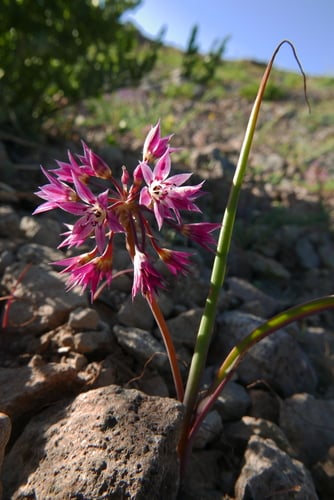
Allium campanulatum
Dusky onion
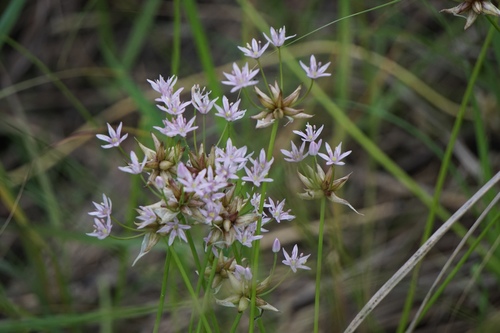
Allium canadense
Wild garlic, Canadian garlic, Meadow Garlic, Olympic Onion, American wild garlic, Rose garlic, Tree onion
Allium canadense mobilense - (Regel.)F.M.Ownb.
Canadian Garlic
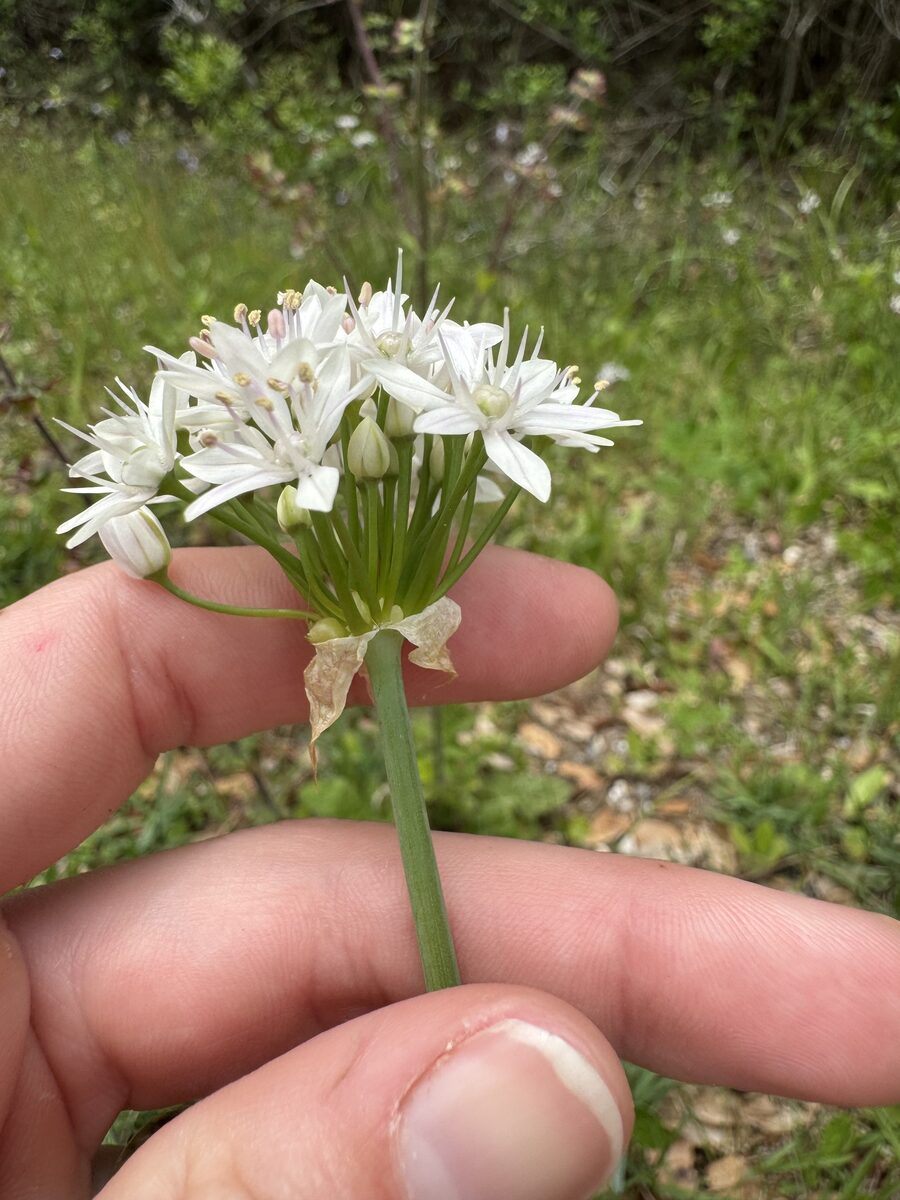
Allium canadense var. mobilense
Canadian garlic, Meadow Garlic
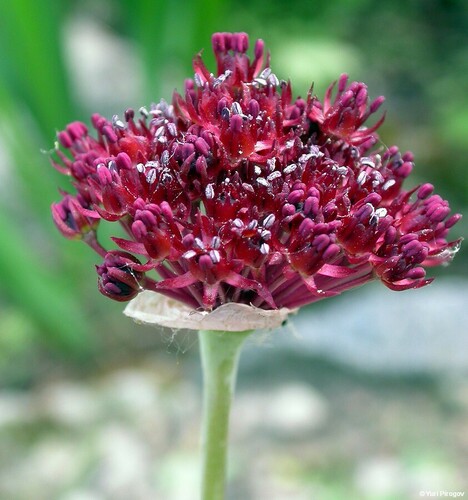
Allium cardiostemon
Purple gem ornamental onion
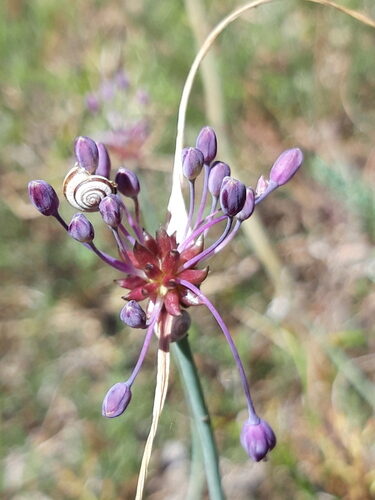
Allium carinatum
Keeled Garlic