Vaccinium consanguineum
Klotzsch
Arandano, Arrayan, Madrono
iNaturalist· cc-by
(c) Eduardo Chacón Madrigal, some rights reserved (CC BY)
iNaturalist· cc-by
(c) Eduardo Chacón Madrigal, some rights reserved (CC BY)
iNaturalist· cc-by
(c) Eduardo Chacón Madrigal, some rights reserved (CC BY)
Summary
Source: WikipediaVaccinium consanguineum or Costa Rican blueberry is a species of Vaccinium found in the montane forests of southern Mexico, Honduras, Costa Rica, and Panama at altitudes of 2100-3100 meters AMSL. In Costa Rica it is found in the Talamanca mountain range and the Central Volcanic mountain range.
Description
A tall evergreen shrub. It grows 1.2 m tall. It has stiff, ridged branches. It forms a compact bushy shrub. The young stems can be red or purple. The leaves are sword shaped and 4-8 cm long. They have shallow teeth. The flowers are cylinder shaped and 5-8 mm long. They are white with tinges of red. The fruit are round and 5-8 mm across. They are green when young but turn dark red then black as they ripen.
Edible Uses
The fruit are edible but have an unattractive taste.
Traditional Uses
The fruit are edible but have an unattractive taste.
This uses section is brief — help expand it
Distribution
A temperate plant. It can tolerate some frost.
Where It Grows
Britain, Central America, Costa Rica, Europe, Mexico, North America, Panama,
Cultivation
It can be grown from seed or cuttings.
Dangerous Lookalikes
This plant can be confused with the following toxic species. Always verify identification carefully before consuming any wild plant.
Deadly Nightshade
Atropa belladonna
Joan Simon from Barcelona, España
Arandano
Vaccinium consanguineum
(c) Eduardo Chacón Madrigal, some rights reserved (CC BY)
Deadly Nightshade: Tall herbaceous plant (1-2m), single shiny black cherry-sized berries, star-shaped calyx, large oval leaves, sweet but dangerous taste.
Arandano: Low woody shrub, berries in clusters with crown/remnant calyx ring, sweet taste.
References (4)
- Chizmar Fernandez, C., et al, 2009, Plantas comestibles de Centroamerica. Instituto de Biodiversidad, Costa Rica. p 174
- Hellmuth, N. M., 2013, Maya Ethnobotany. FLAAR Reports. p 21
- Linnaea 24:64. 1851
- Trehane, J., 2004, Blueberries, Cranberries and Other Vacciniums. Timber Press. p 220
More from Ericaceae
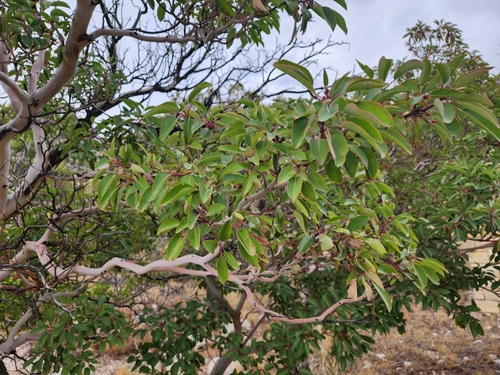
Arbutus texana
Texas madrone
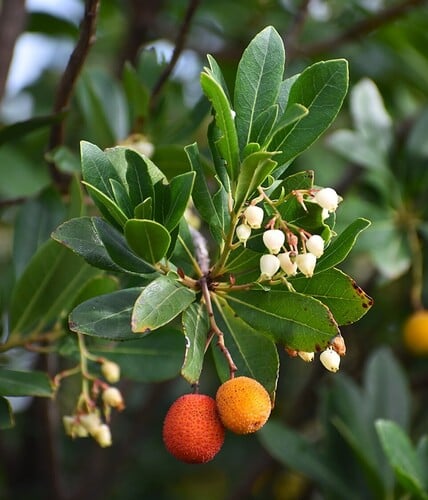
Arbutus unedo
Irish Strawberry tree, Strawberry tree
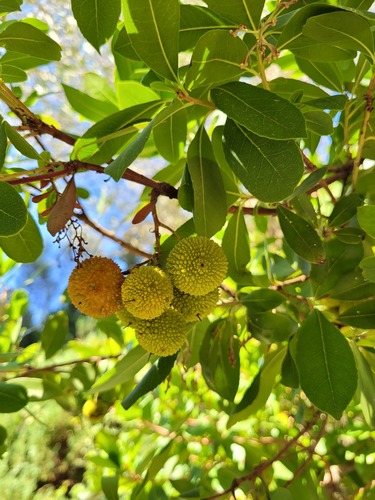
Arbutus x andrachnoides
Hybrid strawberry tree
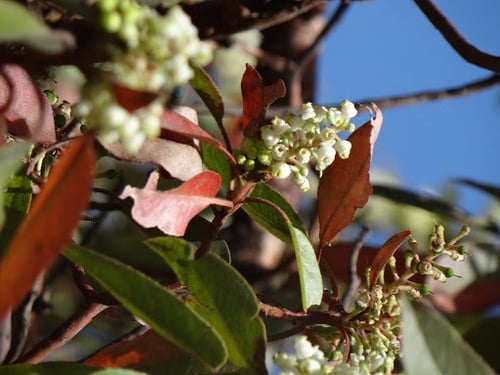
Arbutus xalapensis
Madrone
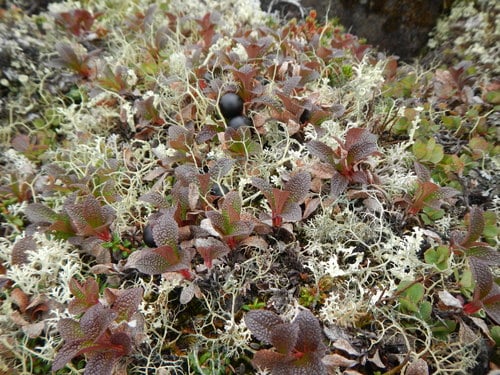
Arctostaphylos alpina
Alpine bearberry, Black bearberry, Alpine manzanita, Amprick
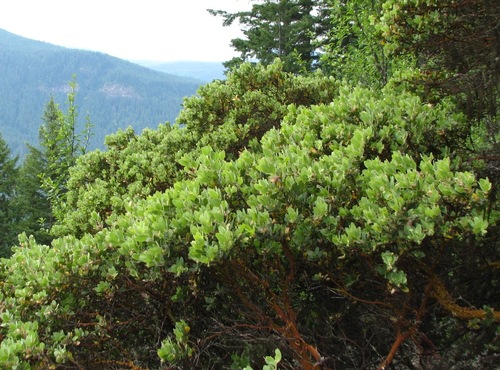
Arctostaphylos columbiana
Hairy manzanita, Columbian manzanita