Trichocereus coquimbanus
(Molina) Britton & Rose
Quisco coquimbano
gbif· cc-by-nc
Field Museum of Natural History - Botany Department
Description
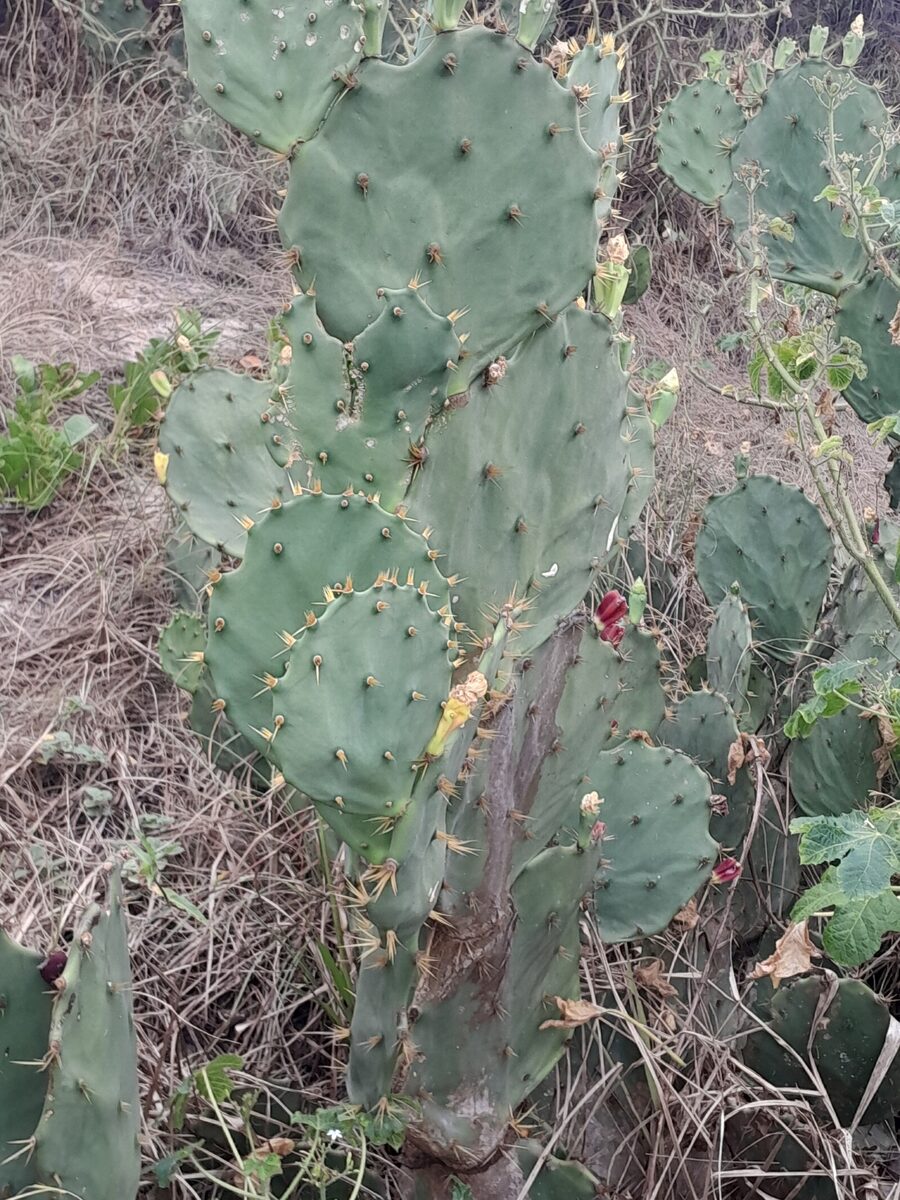
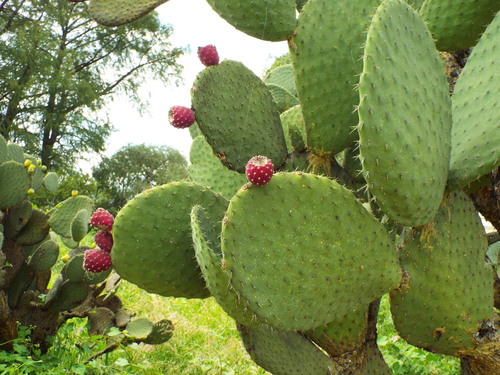
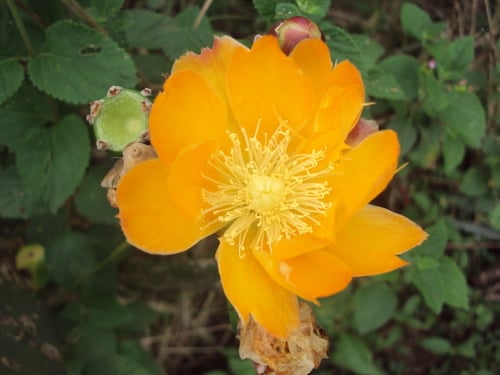
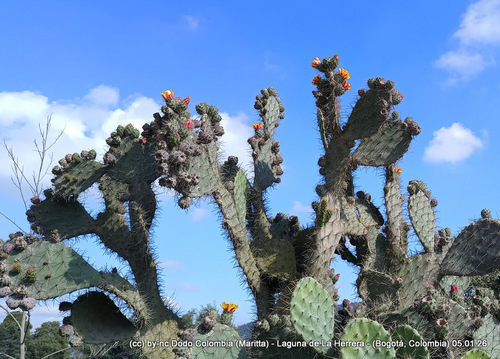
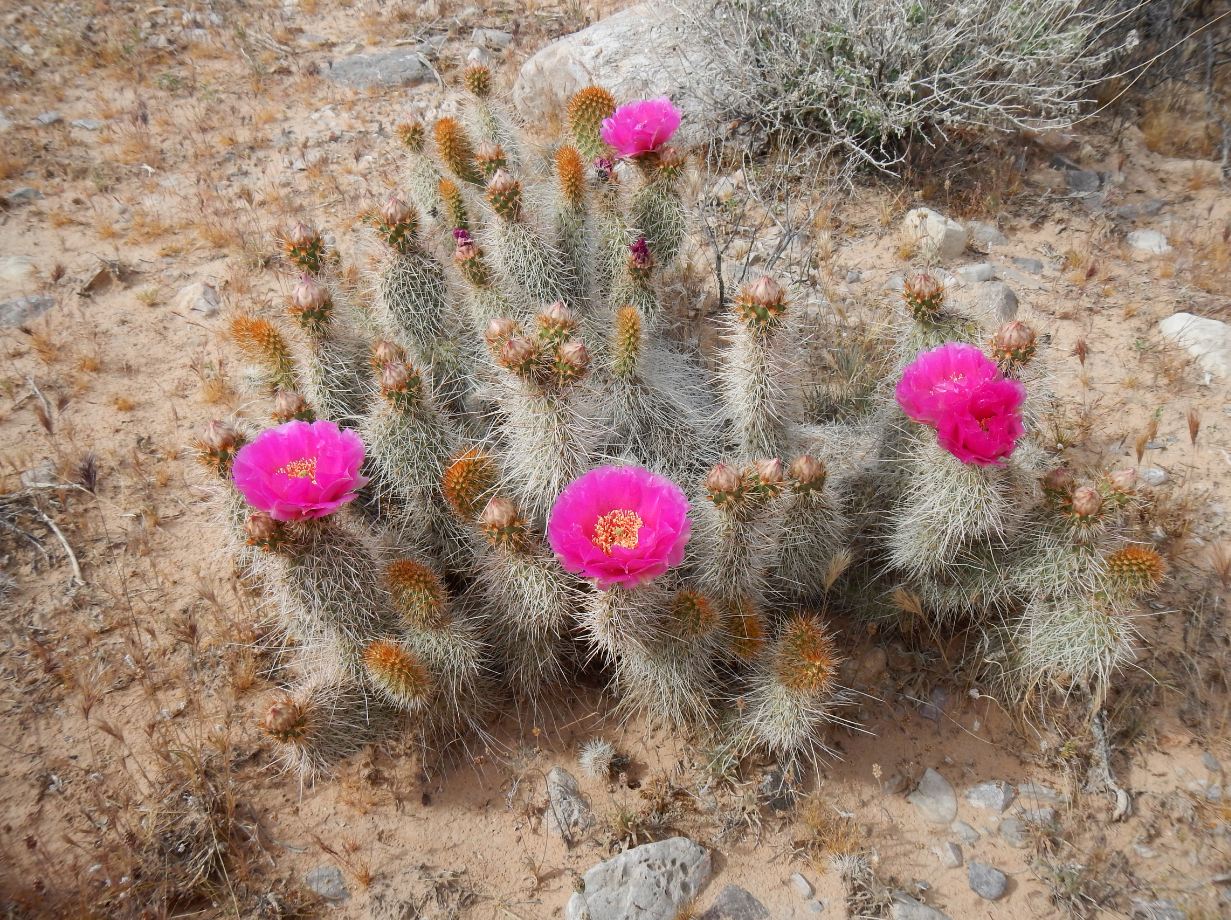
A cactus. It is a shrubby plant. It usually forms branches near the base and can lie along the ground. It forms dense thickets and can be 1 m tall. The stem are cylinder shaped and 8 cm across. There are 12-13 ribs. The buds for the spines are large and round and yellowish. The spines are straight and stout. They are brown but turn grey with are age. There are 3-4 central spines up to 5 cm long and a ring of 8-12 spines around which are 1-2 cm long. The flowers can be at the tips or at the sides. They are bell shaped and open day and night. The flowers are 12 cm long and bell shaped. The fruit round and green. They are edible.
Edible Uses
The fruit is eaten.
Distribution
It is a subtropical plant. It grows along the coast of Chile.
Where It Grows
Chile, South America,
Synonyms
Also Known As
Copao
References (3)
- Anderson, E.F., 2001, The Cactus Family, Timber Press p 264 (As Echinopsis coquimbana)
- Kermath, B. M., et al, 2014, Food Plants in the Americas: A survey of the domesticated, cultivated and wild plants used for Human food in North, Central and South America and the Caribbean. On line draft. p 873
- Martin, F. W., et al, 1987, Perennial Edible Fruits of the Tropics. USDA Handbook 642 p 89