Attalea septuagenata
Dugand
Kujita, Kurua
wikimedia· pd
Franz Eugen Köhler, Köhler's Medizinal-Pflanzen (via Wikimedia Commons)
Summary
Source: WikipediaAttalea septuagenata is a species of flowering plant in the family Arecaceae. It is found only in Colombia.
Description
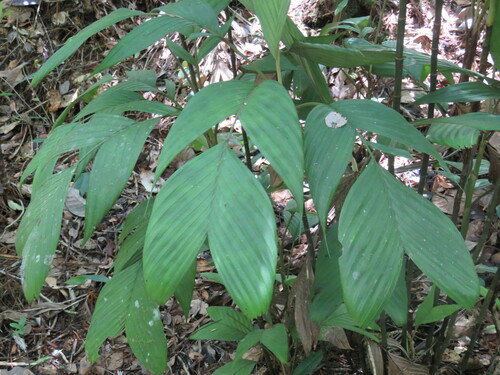
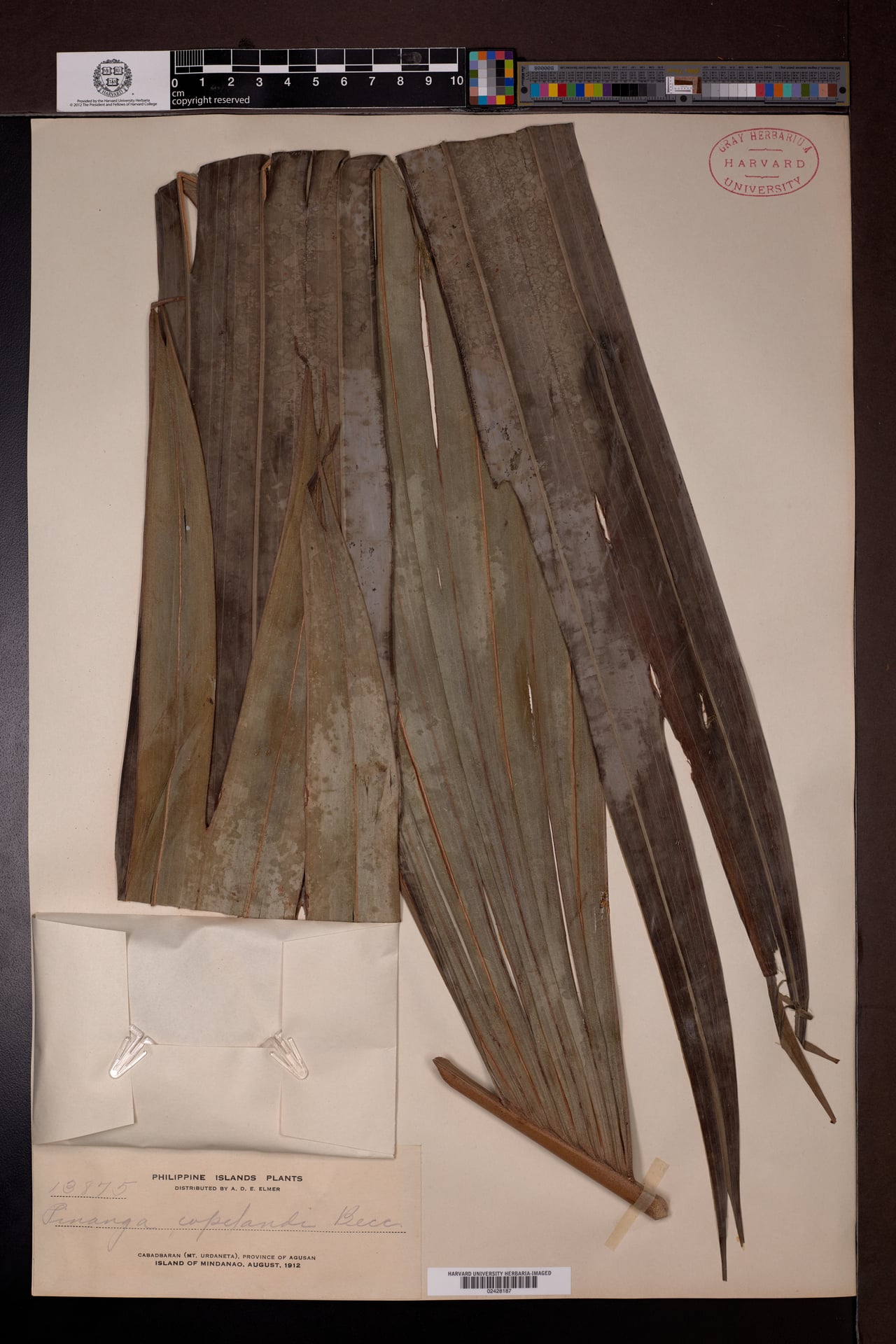
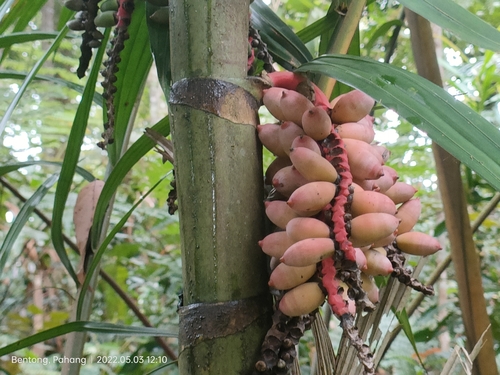
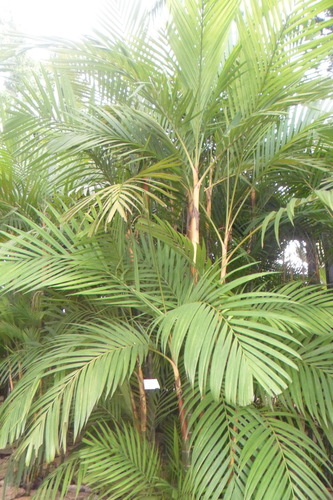
A palm. The stems are tall and above ground. They can be 7-12 m tall. They are 25-30 cm across. There are 18-20 leaves. The leaflets are arranged regularly and spread in the same plane. The flowering stalk is long and is borne amongst the leaves. The male flowers have flattened petals and 36-75 straight stamens. The fruit have 1-2 seeds. They are oblong and 10-11.5 cm long by 5-6 cm wide.
Edible Uses
Seed. A fine, edible oil is obtained from the seeds. This product has not been exploited commercially for lack of efficient machines to break the hard endocarp without damaging the seeds.
Traditional Uses
The seeds yield and edible oil.
This uses section is brief — help expand it
Distribution
A tropical plant. It grows in lowland rainforest in a small area along a river in Colombia.
Where It Grows
Colombia, South America,
Notes
There are between (22) 30-71 Attalea species. Some authorities divide them among Attalea, Orbignya, Scheela and Maximiliana.
Also Known As
Cujita
References (6)
- Balick, M.J. and Beck, H.T., (Ed.), 1990, Useful palms of the World. A Synoptic Bibliography. Colombia p 223,
- Glassman, A Taxonomic Treatment of the Palm Subtribe Attaleinae (Tribe Cocoeae). p 29
- Henderson, A., Galeano, G and Bernal, R., 1995, Field Guide to the Palms of the Americas. Princeton. p 163
- Marcia, M. J., et al, 2011, Palm Uses in Northwestern South America: A Quantitative Review. Bot. Rev. (2011) 77:462-570
- Roa, J. A. G. & Boada, D. S. G., 2018, Fundación para el Fortalecimiento de la Fruticultura y Plantas Alimenticias no Convencionales en Colombia.
Show all 6 references Hide references
- World Checklist of Useful Plant Species 2020. Royal Botanic Gardens, Kew