Salacca glabrescens
Griffith
Salak, Salak hutan, Pokok rengam
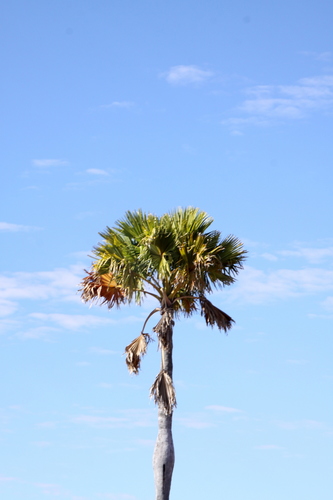
iNaturalist· cc-by-nc
(c) Joshua Hall, some rights reserved (CC BY-NC), uploaded by Joshua Hall
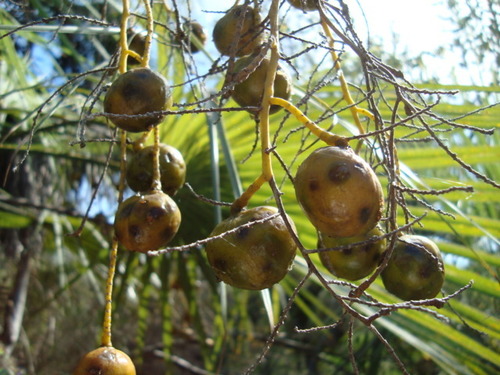
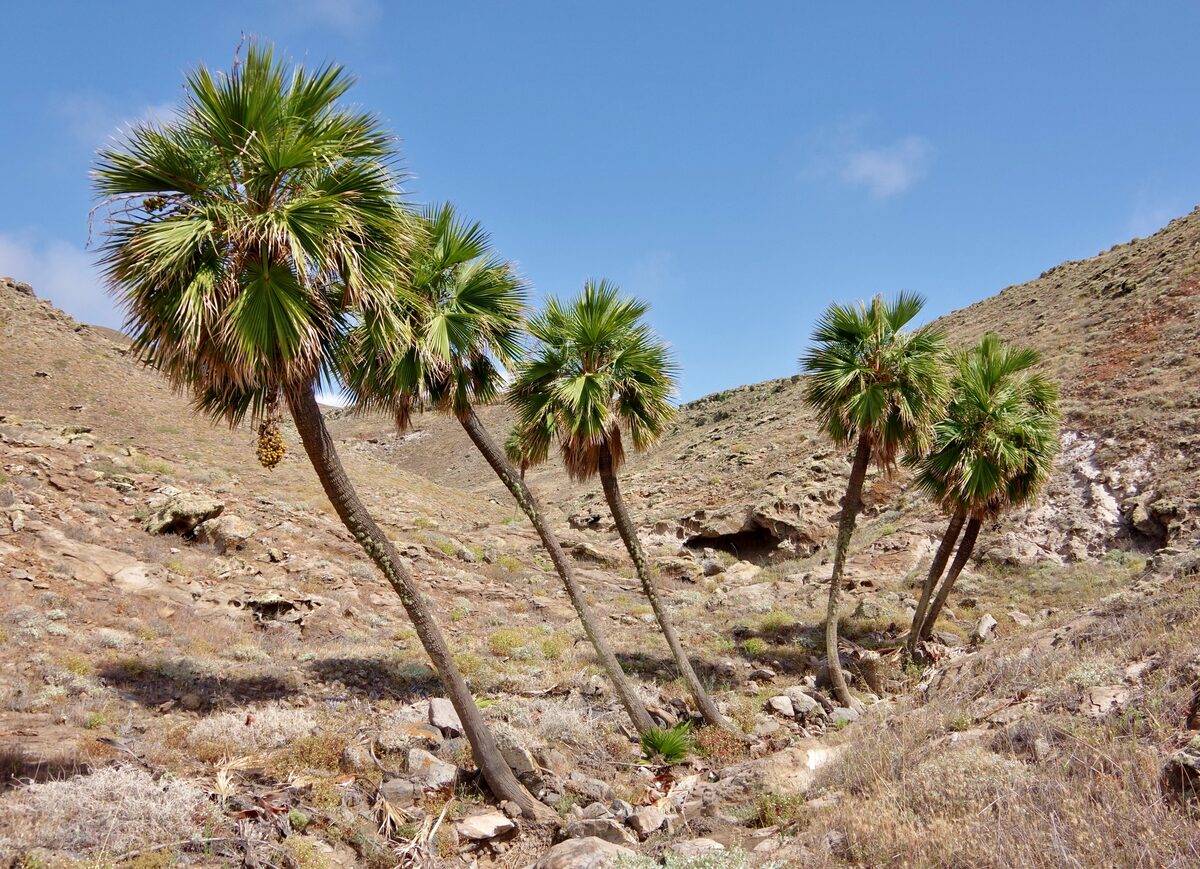
iNaturalist· cc-by-nc
(c) David Horcajada Tejero, some rights reserved (CC BY-NC), uploaded by David Horcajada Tejero
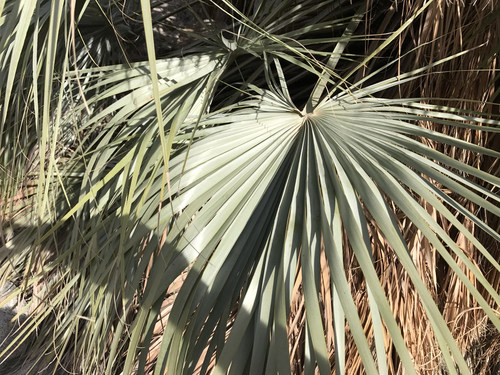
iNaturalist· cc-by-nc-sa
(c) Nick Lambert, some rights reserved (CC BY-NC-SA), uploaded by Nick Lambert
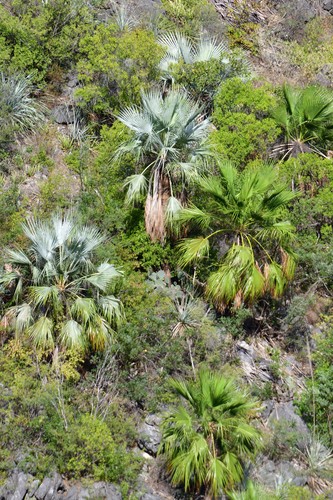
gbif· cc-by
Royal Botanic Gardens, Kew
gbif· cc-by
Royal Botanic Gardens, Kew
gbif· cc-by
Royal Botanic Gardens, Kew
Description
A palm that grows in clumps. Plants have an underground trunk. The stems can be creeping and above ground. They are 1 m long. The leaves are large and spiny. They are 5 m long. The leaflets are shallowly curved. They are arranged in groups of 2 or 3 along the stalk. There are small spines along the edges. The flowering stalk has a few hairs. The fruit are pear shaped. They are 5 cm long by 4 cm wide. They narrow in a beak. The fruit are edible.
Edible Uses
The ripe fruit are eaten fresh.
Traditional Uses
The ripe fruit are eaten.
This uses section is brief — help expand it
Distribution
It is tropical. It grows on forested slopes. It grows between 320 and 850 m altitude.
Where It Grows
Asia, Indochina, Malaysia, SE Asia, Thailand,
Other Information
It is cultivated for its fruit.
References (8)
- Burkill, I.H., 1966, A Dictionary of the Economic Products of the Malay Peninsula. Ministry of Agriculture and Cooperatives, Kuala Lumpur, Malaysia. Vol 2 (I-Z) p 2325 (As Zalacca glabrescens)
- Haynes, J., & McLaughlin, J., 2000, Edible palms and Their Uses. University of Florida Fact sheet MCDE-00-50-1 p 13
- Johnson, D.V., 1998, Tropical palms. Non-wood Forest products 10. FAO Rome. p 48
- Jones, D.L., 1994, Palms throughout the World. Smithtonian Institution, Washington. p 54, 352
- Milow, P., et al, 2013, Malaysian species of plants with edible fruits or seeds and their evaluation. International Journal of Fruit Science. 14:1, 1-27
Show all 8 references Hide references
- PROSEA No. 2
- Riffle, R.L. & Craft, P., 2003, An Encyclopedia of Cultivated Palms. Timber Press. p 450
- World Checklist of Useful Plant Species 2020. Royal Botanic Gardens, Kew