Attalea humilis
Mart. ex Spreng.
Pindoba, Catole
iNaturalist· cc-by-nc
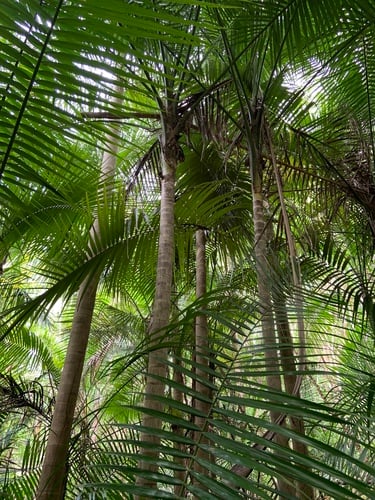
(c) Geovane Siqueira, some rights reserved (CC BY-NC), uploaded by Geovane Siqueira
iNaturalist· cc-by-nc
(c) Diego Monsores, some rights reserved (CC BY-NC), uploaded by Diego Monsores
iNaturalist· cc-by-nc
(c) Robison Araújo Silva, some rights reserved (CC BY-NC), uploaded by Robison Araújo Silva
Description
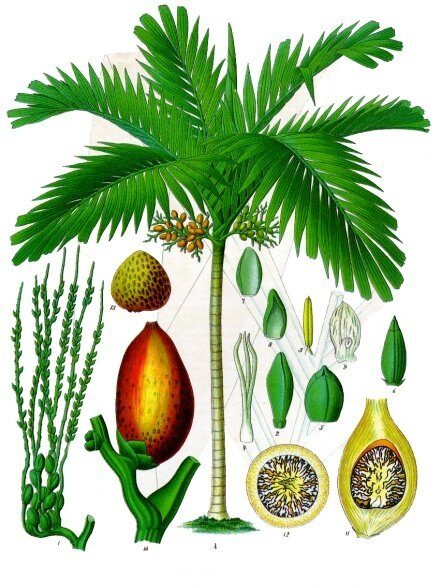
A palm. The stems are short and underground or less than 1 m high. There are 4-15 leaves which are spreading. The leaflets are arranged regularly and in one plane. The flowering stalk is amongst the leaves and short stalks. The male flowers have flattened petals and 6 straight stamens. The fruit have 1-3 seeds. They are oval and 4-9 cm long by 2.5-8 cm wide. They are brownish.
Edible Uses
The fruit and seeds are edible; oil can be extracted from the seeds.
Distribution
A tropical plant. It grows in low forest near the sea on the Atlantic coast of Brazil often forming large colonies.
Where It Grows
Brazil*, South America,
Notes
There are between (22) 30-71 Attalea species. Some authorities divide them among Attalea, Orbignya, Scheela and Maximiliana.
Synonyms
Also Known As
Coco-pindoba
References (4)
- Balick, M.J. and Beck, H.T., (Ed.), 1990, Useful palms of the World. A Synoptic Bibliography. Colombia p 131
- Bircher, A. G. & Bircher, W. H., 2000, Encyclopedia of Fruit Trees and Edible Flowering Plants in Egypt and the Subtropics. AUC Press. p 48
- Henderson, A., Galeano, G and Bernal, R., 1995, Field Guide to the Palms of the Americas. Princeton. p 161
- Kermath, B. M., et al, 2014, Food Plants in the Americas: A survey of the domesticated, cultivated and wild plants used for Human food in North, Central and South America and the Caribbean. On line draft. p 108