Attalea geraensis
Barb. Rodr.
Andaia, Insia, Urucuri
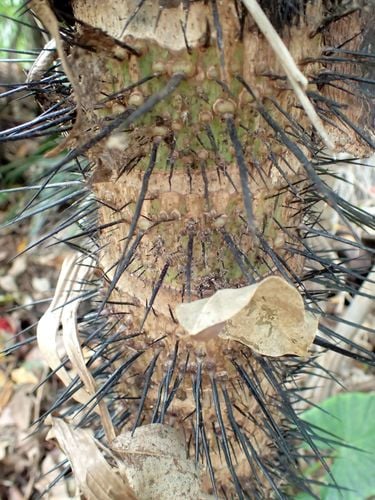
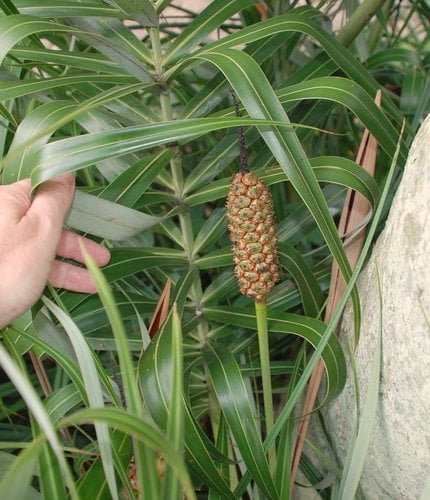
iNaturalist· cc-by-sa
(c) Rafael Rosa, some rights reserved (CC BY-SA)
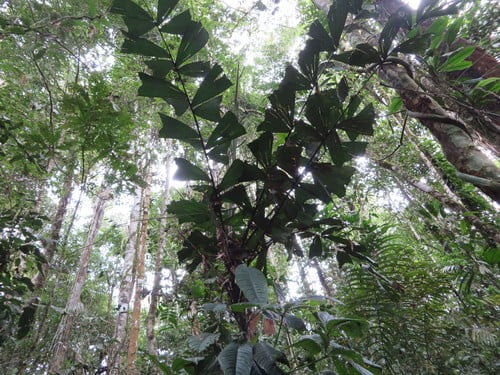
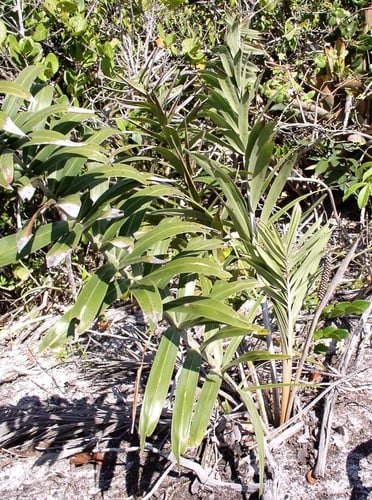
iNaturalist· cc-by-sa
(c) Rafael Rosa, some rights reserved (CC BY-SA)
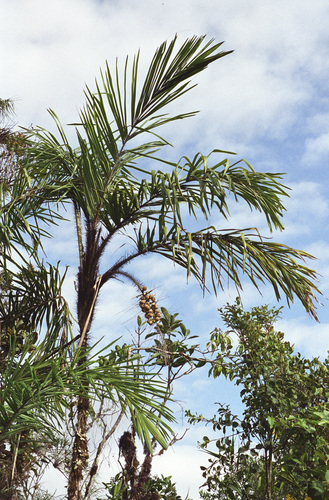
iNaturalist· cc-by-nc
(c) Valter K. Filho, some rights reserved (CC BY-NC)
Description
A palm. The stems are short and underground. There are 4-8 leaves. They are spreading. The leaflets are arranged regularly. They spread in the same plane. There are brown scales on the lower surface. The flowering stalks are borne among the leaves. The stalk is short. The male flowers have flattened petals. The fruit have 1-6 seeds. They are oval. The fruit are 5-7 cm long by 3-4.5 cm wide. They are reddish-brown.
Edible Uses
The seeds can be eaten raw or roasted.
Traditional Uses
The seeds can be eaten raw or roasted.
This uses section is brief — help expand it
Distribution
A tropical plant. It grows in dry forest on sandy soils especially near streams.
Where It Grows
Brazil, Paraguay, South America,
Other Uses
The leaves are used for thatching. When found growing wild, the plant is considered to be an indicator of good soils.
Other Information
The seeds are occasionally eaten.
Notes
There are between (22) 30-71 Attalea species. Some authorities divide them among Attalea, Orbignya, Scheela and Maximiliana.
Also Known As
Inaja, Pindo
References (6)
- Bortolotto, I. M., et al, 2018, Lista preliminar das plantas alimenticias nativas de Mato Grosso do Sul, Brasil. Iheringia, Serie Botanica, Porto Alegre, 73 (supl.):101-116
- Glassman, A Taxonomic Treatment of the Palm Subtribe Attaleinae (Tribe Cocoeae). p 47
- Henderson, A., Galeano, G and Bernal, R., 1995, Field Guide to the Palms of the Americas. Princeton. p 161
- Kermath, B. M., et al, 2014, Food Plants in the Americas: A survey of the domesticated, cultivated and wild plants used for Human food in North, Central and South America and the Caribbean. On line draft. p 107
- Pl. jard. Rio de Janeiro 6:22. 1898
Show all 6 references Hide references
- www.colecionandofrutas.org