Acacia abyssinica
Hochst. ex Benth.
Flat-top acacia
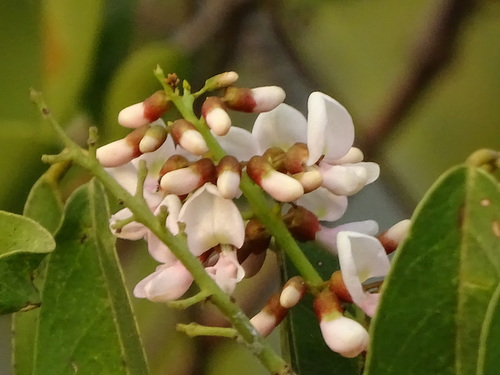
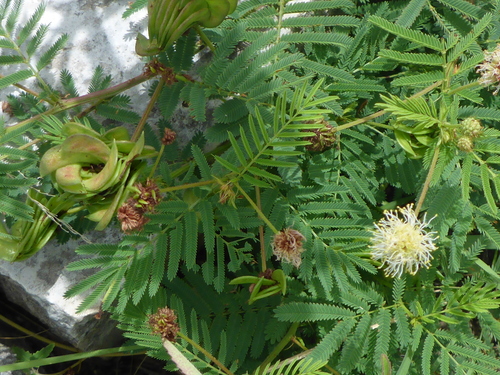
iNaturalist· cc-by-nc
(c) Ted Weber, some rights reserved (CC BY-NC)
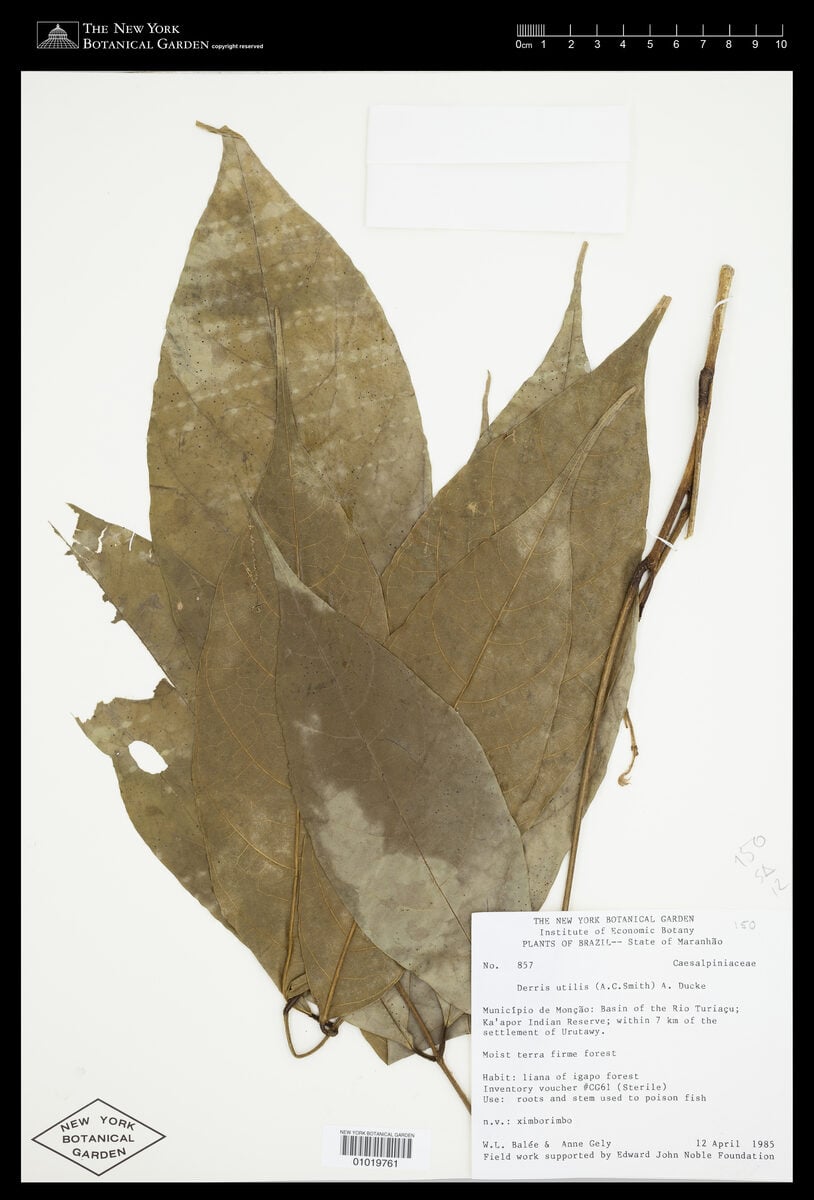
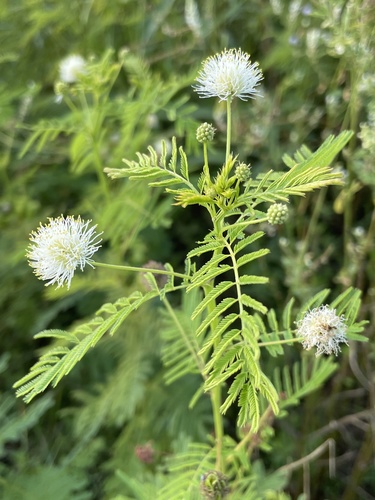
iNaturalist· cc-by-nc
(c) Jonathan M, some rights reserved (CC BY-NC)
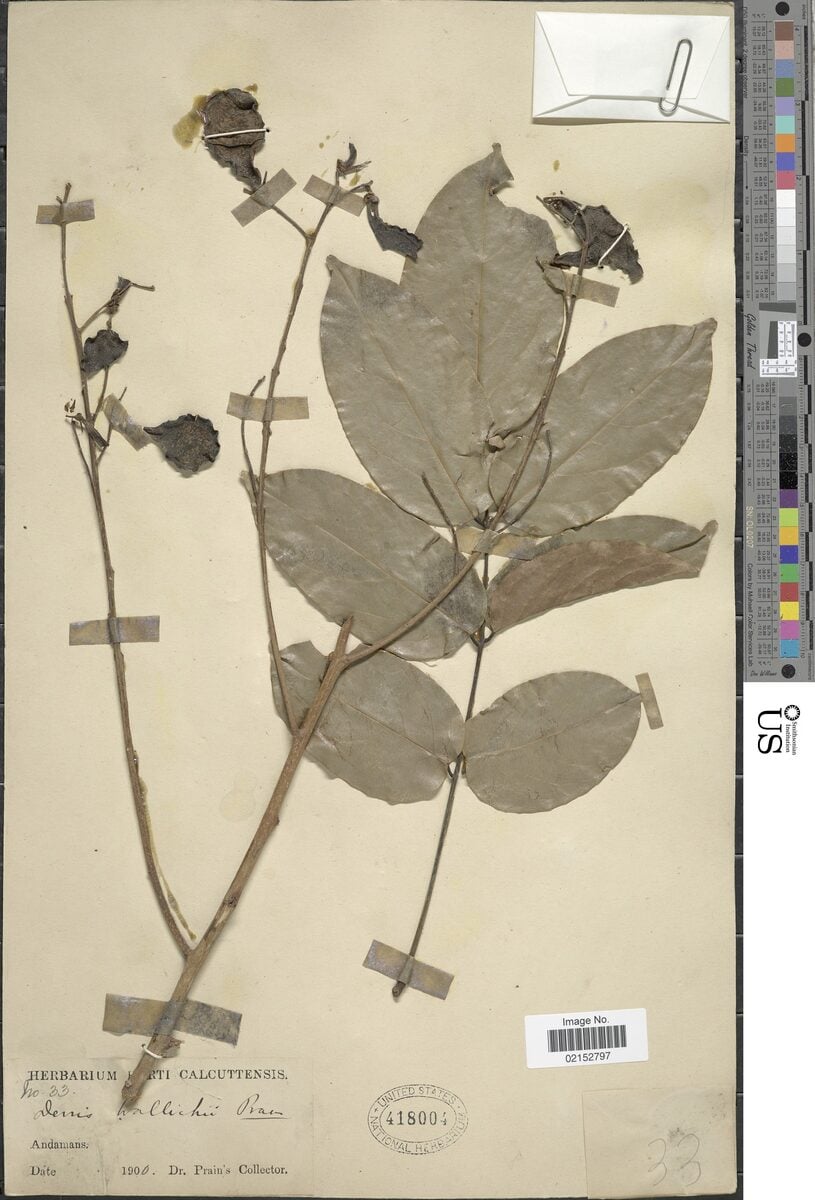
iNaturalist· cc-by-nc
(c) Jonathan M, some rights reserved (CC BY-NC)
Description
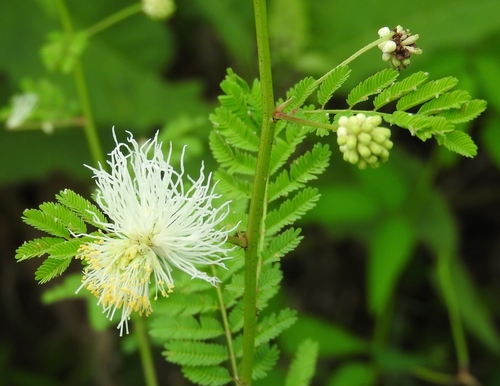
A shrub or small tree. It grows 5 m tall. There are prickles along the stem. The leaves are twice divided and there are 8-18 pairs of pinnae. There are up to 50 pairs of pinnules on each pinnae. The flowers are yellow. They are in large clusters at the ends of branches. The pods are flattened.
Edible Uses
The gum or resin is edible and is traditionally chewed, especially by children.
Distribution
It is a tropical plant. It grows at the edge of highland forest in East Africa. It grows between 1,200-2,300 m altitude. It in best in areas with a temperature between 20-30°C and an annual rainfall between 450-1,200 mm.
Where It Grows
Africa, Central Africa, Congo, East Africa, Ethiopia, Kenya, Malawi, Middle East, Mozambique, Rwanda, Saudi Arabia, Somalia, Southern Africa, Sudan, Tanzania, Uganda, Yemen, Zambia, Zimbabwe,
Cultivation
Plants can be grown from seeds or root suckers. Seeds can be put in a nursery and transplanted or sown where they are to grow. Damaged seeds can be separated from good seed by floating them off. Seeds can be stored in a cool dry place. Before planting seeds should be soaked in cold or hot water that is then allowed to cool. Young plants can be cut back and allowed to re-grow.
Production
Plants grow at a medium rate.
Other Information
The gum is chewed especially by children.
Notes
There are about 1,350 Acacia species. Over 1,000 occur in Australia. Also as Mimosaceae.
Synonyms
Also Known As
Grar, Laftoo, Mugaa, Munyinya, Njora rahisi
References (13)
- Alemneh, D., 2020, Ethnobotany of wild edible plants in Yilmana Densa and Quarit Districts of West Gojjam Zone, Amhara Region, Ethiopia. Ethnobotany Research & Applications. 20:47
- Asfaw, Z. and Tadesse, M., 2001, Prospects for Sustainable Use and Development of Wild Food Plants in Ethiopia. Economic Botany, Vol. 55, No. 1, pp. 47-62
- Biocyclopedia Edible Plant Species
- Dharani, N., 2002, Field Guide to common Trees & Shrubs of East Africa. Struik. p 26
- ecocrop.fao.org
Show all 13 references Hide references
- Fowler, D. G., 2007, Zambian Plants: Their Vernacular Names and Uses. Kew. p 32
- Katende, A.B., Birnie, A & Tengnas B., 1995, Useful Trees and Shrubs for Uganda. Identification, Propagation and Management for Agricultural and Pastoral Communities. Technical handbook No 10. Regional Soil Conservation Unit, Nairobi, Kenya. p 42
- London J. Bot. 5:97. 1846
- Lulekal, E., et al, 2011, Wild edible plants in Ethiopia: a review on their potential to combat food insecurity. Afrika Focus - Vol. 24, No 2. pp 71-121
- Molla, A., Ethiopian Plant Names. http://www.ethiopic.com/aplants.htm
- Regassa, T., et al, 2014, Ethnobotany of Wild and Semi-Wild Edible Plants of Chelia District, West-Central Ethiopia. Science, Technology and Arts Research Journal. 3(4): 122-134
- Usher, G., 1974, A Dictionary of Plants Used by Man. Constable. p 11
- White, F., Dowsett-Lemaire, F. and Chapman, J. D., 2001, Evergreen Forest Flora of Malawi. Kew. p 310