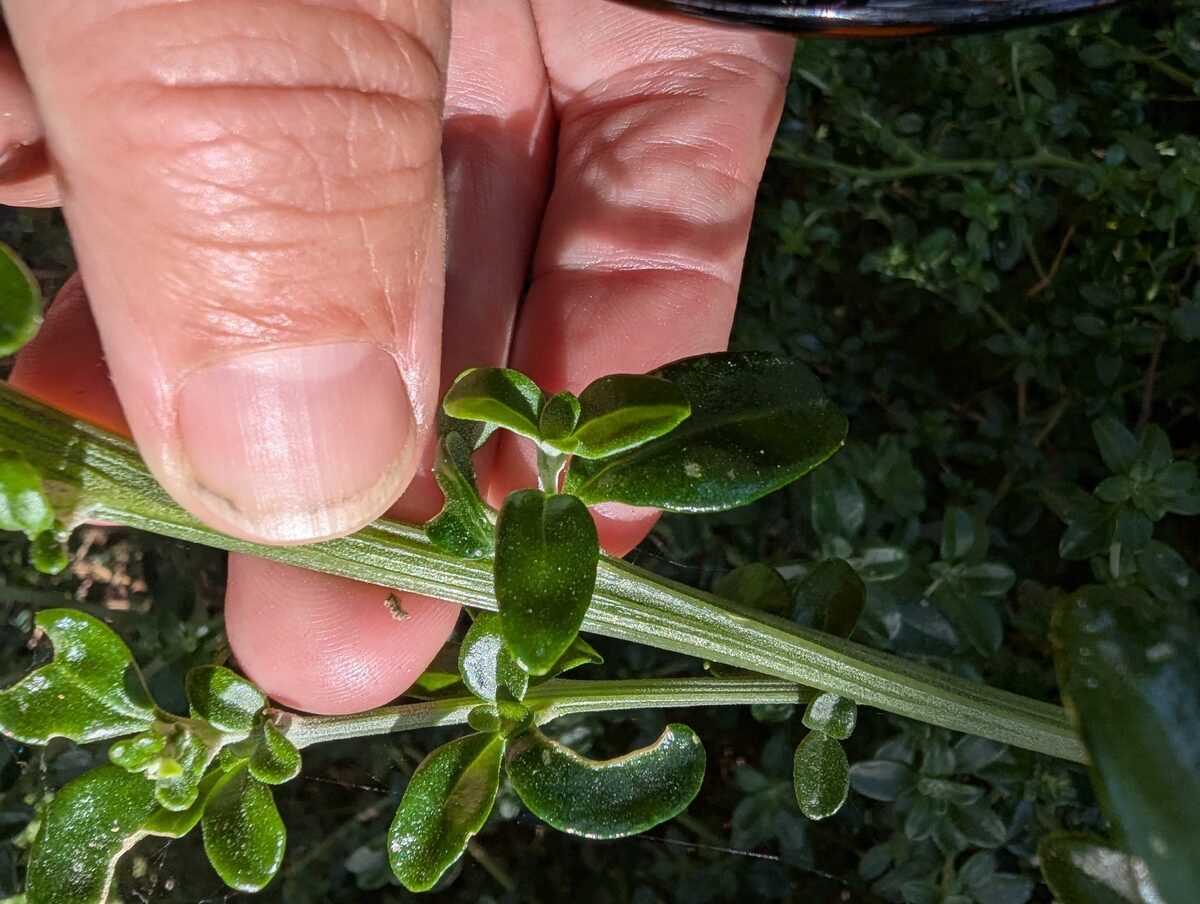
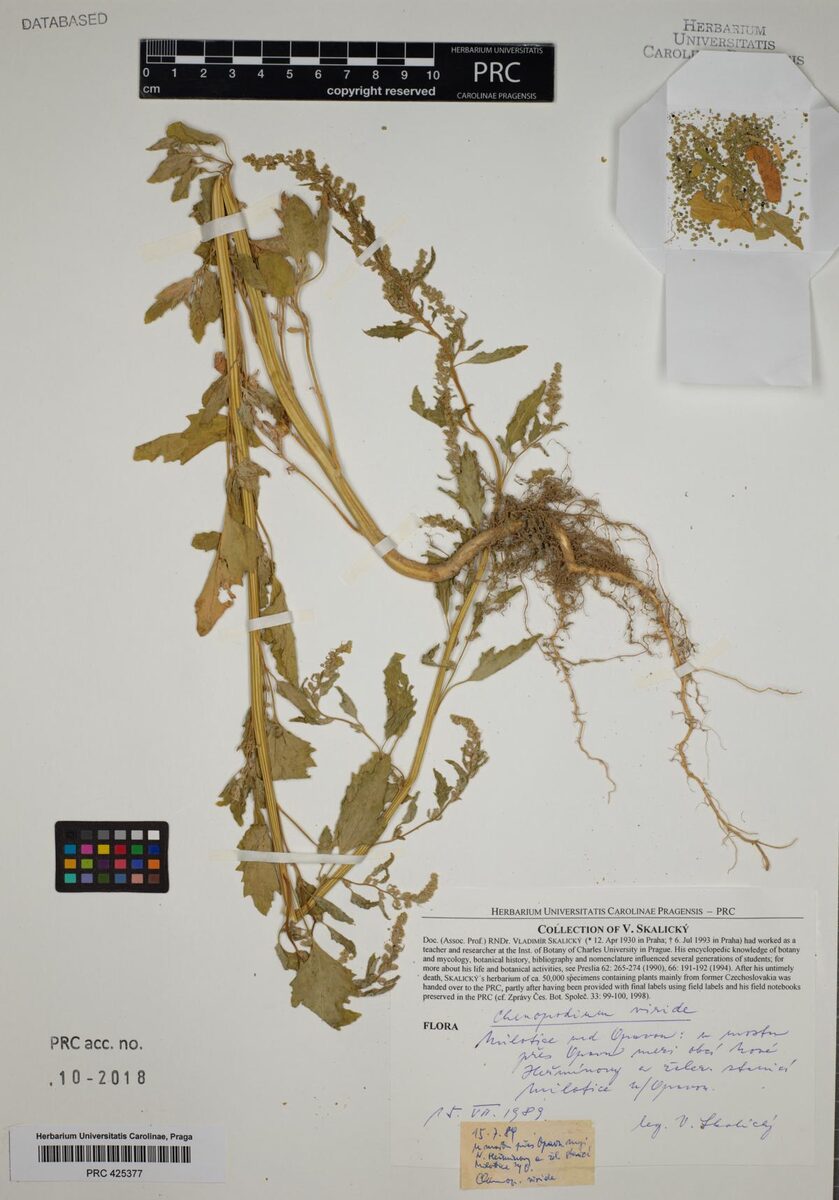
Beta vulgaris var. crassa
L., Alef.
Beetroot
gbif· cc-by
Deaver Herbarium
gbif· cc0
Conveyor Belt
gbif· cc0
Conveyor Belt
Summary
Source: WikipediaBeta vulgaris (beet) is a species of flowering plant in the subfamily Betoideae of the family Amaranthaceae. It is a perennial plant usually growing up to 120 centimetres (4 ft) tall. Three subspecies are typically recognised. The wild ancestor of all the cultivated beets is the sea beet (Beta vulgaris subsp. maritima), with several modern cultivars all belonging to B. vulgaris subsp. vulgaris. Some of the most popular cultivar groups include: the sugar beet (used to produce table sugar), the root vegetable known as the beetroot or garden beet, the leaf vegetable known as chard or spinach beet or silverbeet, and mangelwurzel (a fodder crop).
Description
A herb.
This description is brief — help expand it
Edible Uses
Spinach beet leaves are eaten as a pot herb. Young leaves of the garden beet are sometimes used similarly. The midribs of Swiss chard are eaten boiled while the whole leaf blades are eaten as spinach beet. In some parts of Africa, the whole leaf blades are usually prepared with the midribs as one dish. The leaves and stems of young plants are steamed briefly and eaten as a vegetable; older leaves and stems are stir-fried and have a flavour resembling taro leaves. The usually deep-red roots of garden beet can be baked, boiled, or steamed, and often served hot as a cooked vegetable or cold as a salad vegetable. They are also pickled. Raw beets are added to salads. A large proportion of the commercial production is processed into boiled and sterilised beets or into pickles. In Eastern Europe beet soup, such as cold borsch, is a popular dish. Yellow-coloured garden beets are grown on a very small scale for home consumption. The consumption of beets causes pink urine in some people. Jewish people traditionally eat beet on Rosh Hashana (New Year). Its Aramaic name סלקא sounds like the word for "remove" or "depart"; it is eaten with a prayer "that our enemies be removed".
Medicinal Uses
The roots and leaves of the beet have been used in traditional medicine to treat a wide variety of ailments. Ancient Romans used beetroot as a treatment for fevers and constipation, amongst other ailments. Apicius in De re coquinaria gives five recipes for soups to be given as a laxative, three of which feature the root of beet. Platina recommended taking beetroot with garlic to nullify the effects of 'garlic-breath'. Beet greens and Swiss chard are both considered high oxalate foods which are implicated in the formation of kidney stones.
Distribution
A tropical plant.
Where It Grows
Africa, Andorra, Balkans, East Africa, Macedonia, Madagascar,
Notes
Probably all Beta are one species and 2 main forms - Cicla - for leaves, and Contiva - for roots. Also put in the family Chenopodiaceae.
References (3)
- Facciola, S., 1998, Cornucopia 2: a Source Book of Edible Plants. Kampong Publications, p 76
- Jardin, C., 1970, List of Foods Used In Africa, FAO Nutrition Information Document Series No 2.p 59
- Landw. Fl. 280. 1866