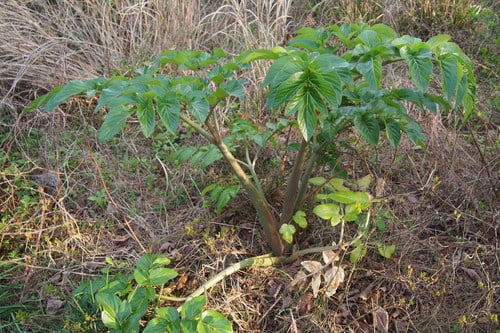
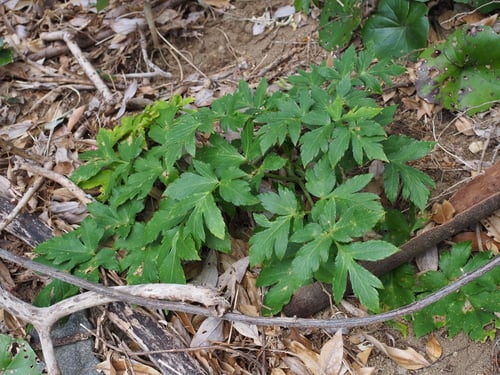
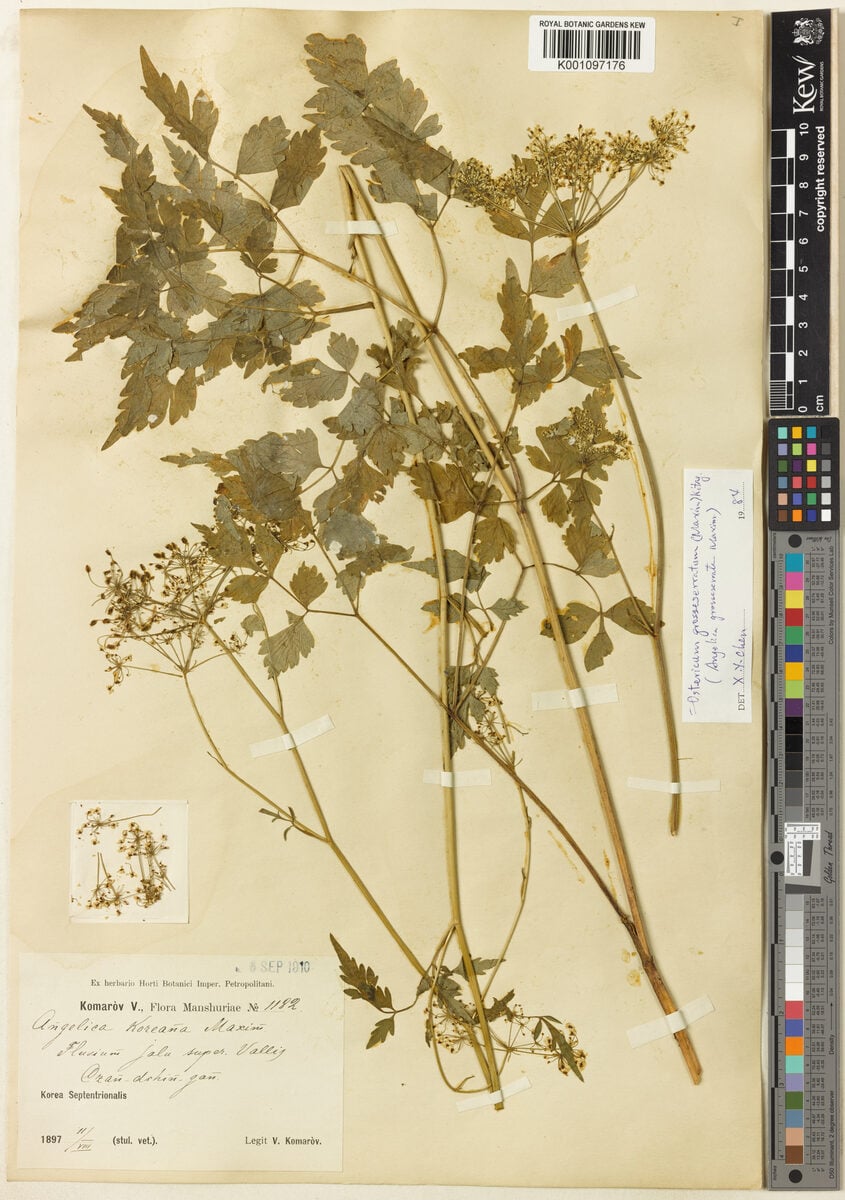
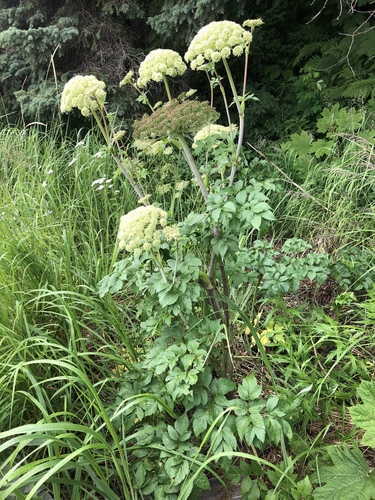
Sium helenianum
Hook.f.
Jellico
wikimedia· cc0
Wikimedia Commons
wikimedia· cc0
Wikimedia Commons - Matilda Smith
Summary
A perennial herb with a hermaphroditic flower structure pollinated by insects. Self-fertile and well-suited to light sandy and medium loamy soils across mildly acidic to basic pH ranges. Requires full sun and prefers consistently moist conditions. Cannot tolerate shade.
Description
A perennial herb with a hermaphroditic flower structure pollinated by insects. Self-fertile and well-suited to light sandy and medium loamy soils across mildly acidic to basic pH ranges. Requires full sun and prefers consistently moist conditions. Cannot tolerate shade.
Edible Uses
The stem can be eaten raw.
Medicinal Uses
None known.
Distribution
It is a temperate plant.
Where It Grows
Britain, Europe, St Helena, South Atlantic,
Cultivation
We have almost no information on this species and do not know if it will be hardy in Britain. The stems are sold in markets as a food crop in areas where the plant grows wild. The following notes are based on the general needs of the genus. Prefers a light, rich, moisture retentive soil in full sun.
Propagation
Seed - sow late winter to early spring in a cold frame. Germination can be slow. Prick seedlings out into individual pots when large enough to handle and grow on in a greenhouse through their first winter, planting out into permanent positions in late spring or early summer after the last expected frosts. Division in early spring just before new growth begins, using the side roots. Larger divisions can go directly into permanent positions; smaller divisions are best potted up and grown on in a lightly shaded cold frame until well established, then planted out in summer.
Other Uses
None known Special Uses
Notes
It is an unresolved name in The Plant List.
References (1)
- Hedrick, U.P., 1919, (Ed.), Sturtevant's edible plants of the world. p 609