Onobrychis crista-galli
Lam.
Hedge-hog
iNaturalist· cc-by-nc
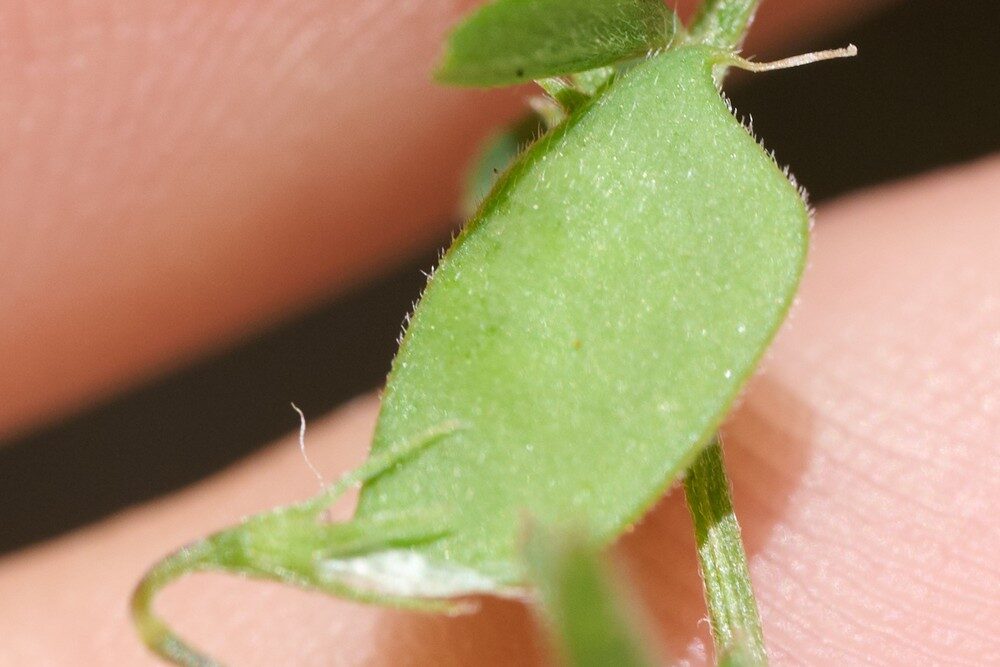
(c) Ron Frumkin, some rights reserved (CC BY-NC), uploaded by Ron Frumkin
iNaturalist· cc-by-nc-sa
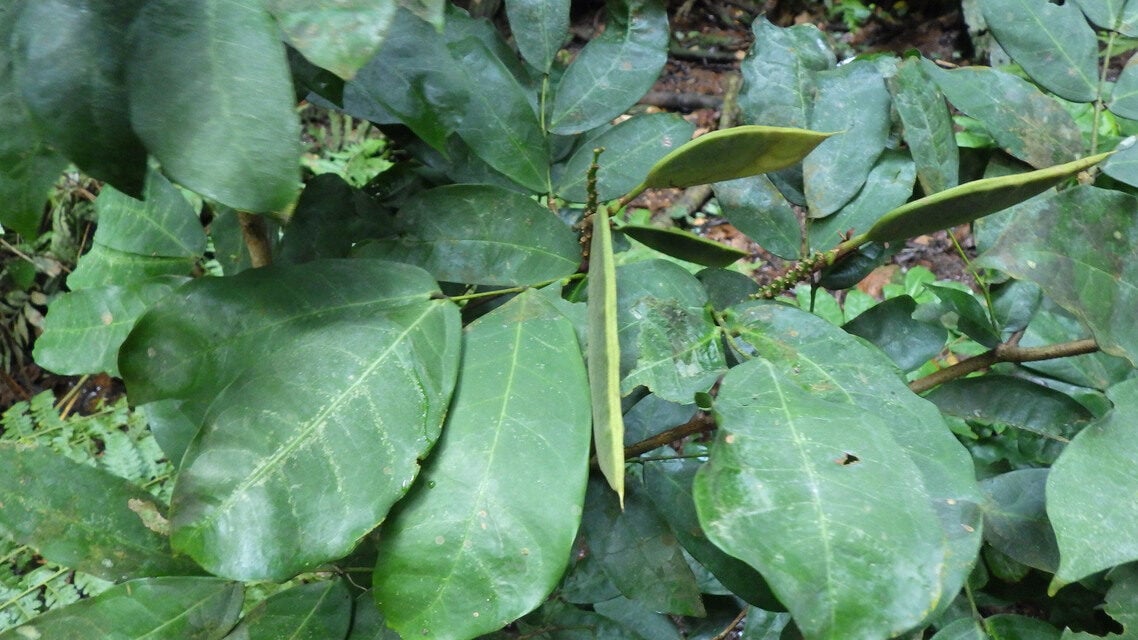
(c) יאיר אור, some rights reserved (CC BY-NC-SA), uploaded by יאיר אור
iNaturalist· cc-by
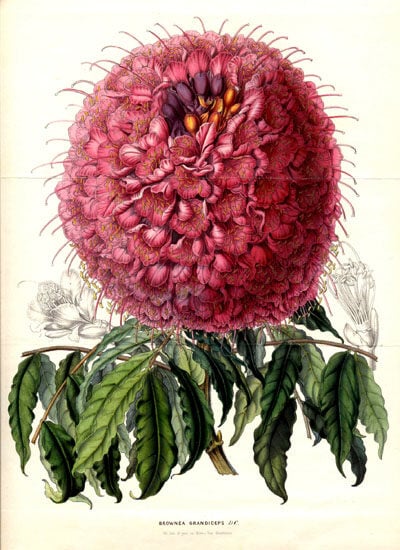
(c) Eleftherios Katsillis, some rights reserved (CC BY), uploaded by Eleftherios Katsillis
Description
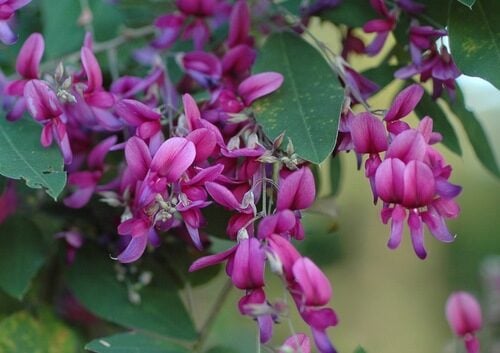
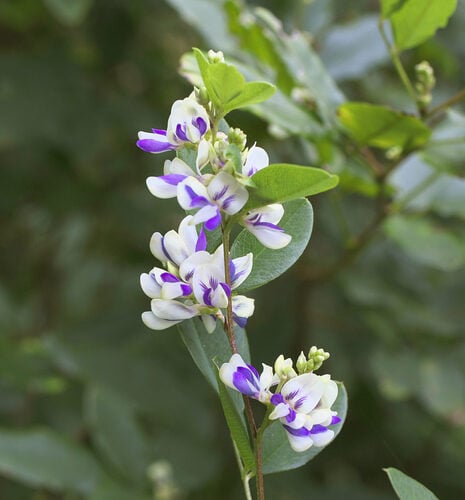
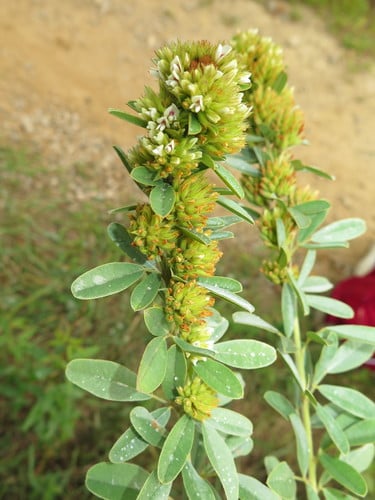
A short annual herb. It can be erect or sprawling. The leaves have 4-7 pairs of oblong leaflets. The flowers are pink and the calyx tube is hairy. The pods are 8-14 mm long. They have a crest of spiny lobes., These are flattened and often triangle shaped.
Edible Uses
The fresh seeds are eaten raw.
Traditional Uses
The fresh fruit are eaten raw.
This uses section is brief — help expand it
Distribution
It is a Mediterranean climate plant. It grows on non calcareous soils. It can grow in arid places.
Where It Grows
Africa, Algeria, Cyprus, Egypt, Europe, Greece, Iran, Iraq, Israel, Jordan, Lebanon, Libya, Mediterranean, Middle East, Morocco, North Africa, Sinai, Spain, Syria, Tunisia, Turkey, Türkiye,
Notes
There are about 130 Onobrychis species.
Synonyms
Also Known As
Dorrais
References (8)
- Al-Qura'n, S. A., 2010, Ethnobotanical and Ecological Studies of Wild Edible Plants in Jordan. Libyan Agriculture Research Center Journal International 1(4):231-243
- Bailey, C. and Danin, A., 1981, Bedouin Plant Utilization in Sinai and the Negev. Economic Botany 35(2): 145-162
- Blamey, M and Grey-Wilson, C., 2005, Wild flowers of the Mediterranean. A & C Black London. p 109
- Fl. franc. 2:652. 1779 ("1778")
- Hedrick, U.P., 1919, (Ed.), Sturtevant's edible plants of the world. p 449
Show all 8 references Hide references
- Mahklouf, M. H., 2019, Ethnobotanical Study of Edible Wild Plants in Libya. European Journal of Ecology. 5(2): 30-40
- Royal Botanic Gardens, Kew (1999). Survey of Economic Plants for Arid and Semi-Arid Lands (SEPASAL) database. Published on the Internet; http://www.rbgkew.org.uk/ceb/sepasal/internet [Accessed 29th April 2011]
- World Checklist of Useful Plant Species 2020. Royal Botanic Gardens, Kew p 321