Eugenia supraaxillaris
Spring ex Mart.
Tala, Tatu
gbif· cc-by-nc
Field Museum of Natural History - Botany Department
gbif· cc-by-nc
Field Museum of Natural History - Botany Department | GDI 2013-2015
gbif· cc-by-nc
Rapid Reference Collection (RRC) | Field Museum of Natural History - Keller Science Action Center
Description
A tropical tree in the Myrtaceae family that grows 12–23 m tall.
This description is brief — help expand it
Edible Uses
The fruit pulp is eaten raw.
Traditional Uses
The pulp of the fruit is eaten raw.
This uses section is brief — help expand it
Distribution
A tropical plant.
Where It Grows
Brazil, South America,
Cultivation
Eugenia supraaxillaris is a plant of the seasonally dry tropics.
Other Uses
The dark yellow wood has darker spots and veins, it is fine-grained and fairly hard. The' pequena' variety has an average density of 1044 kilos and is not subject to cracking on desiccation - it is used for outdoor work and for applications in sea water. The' graudo' variety has a density of 885 kilos and cracks frequently - it is preferably used for interior works. (As Eugenia axillaris Vell.)
Synonyms
Also Known As
Cambucarna, Fruta-de-tatu, Guaiarajea
References (5)
- Flora 20(2): (Beibl.):83. 1837
- Hedrick, U.P., 1919, (Ed.), Sturtevant's edible plants of the world. p 302
- Kermath, B. M., et al, 2014, Food Plants in the Americas: A survey of the domesticated, cultivated and wild plants used for Human food in North, Central and South America and the Caribbean. On line draft. p 359
- Martin, F.W., C.W. Campbell and R.M. Ruberté, 1987, Perennial edible fruits of the tropics - An inventory. United States Department of Agriculture, Agricultural Research Service, Agriculture Handbook No. 642. Washington, D.C., USA
- www.colecionandofrutas.org
More from Myrtaceae
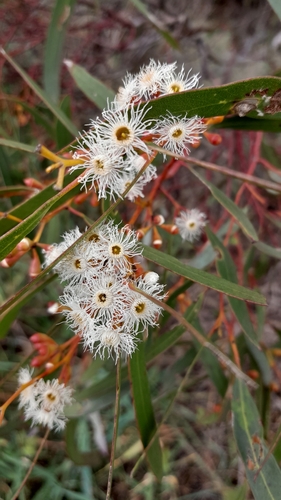
Eucalyptus gracilis
White Mallee, Yorrell, Snap and Rattle, Red Mallee
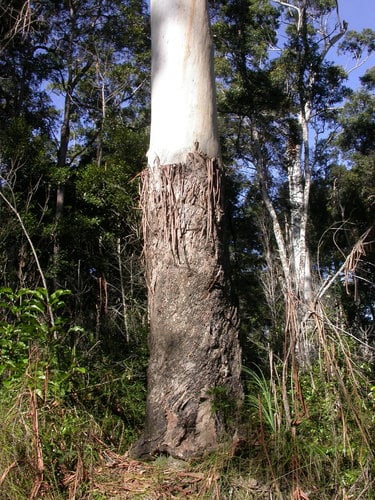
Eucalyptus grandis
Flooded gum
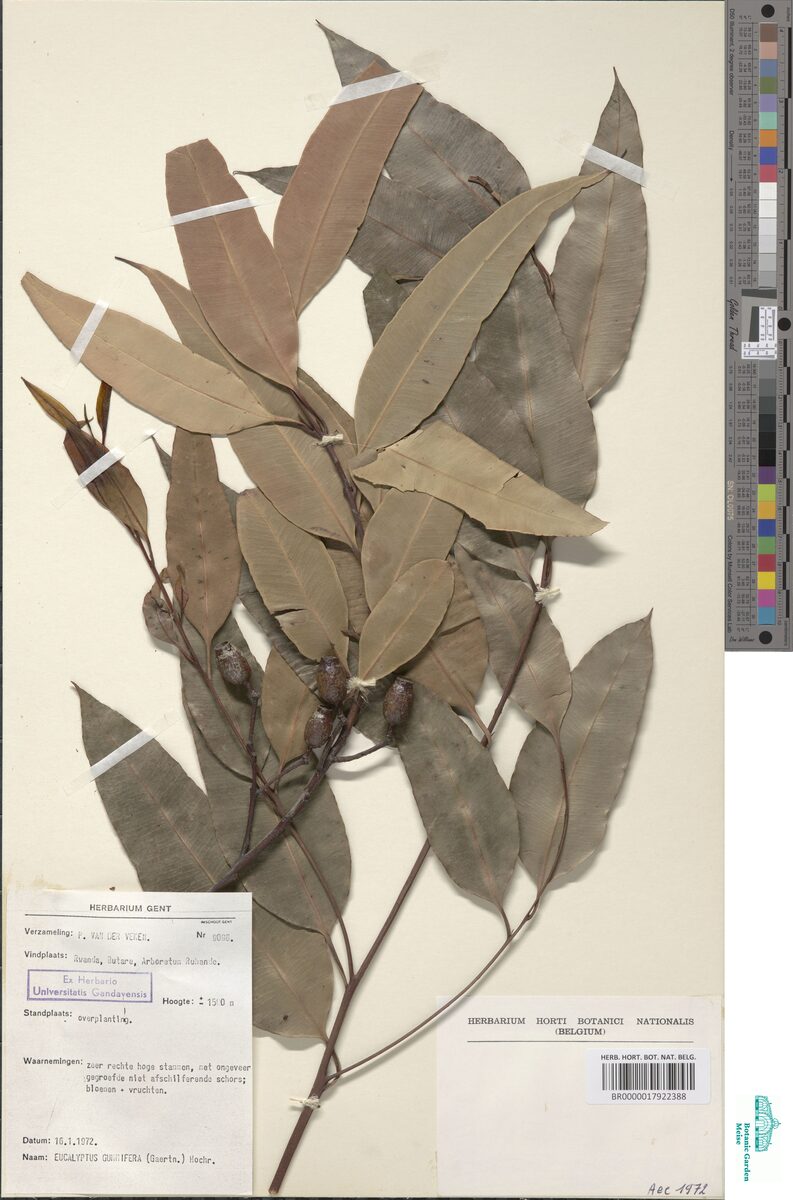
Eucalyptus gummifera - (Sol. ex Gaertn.)Hochr.
Red Bloodwood
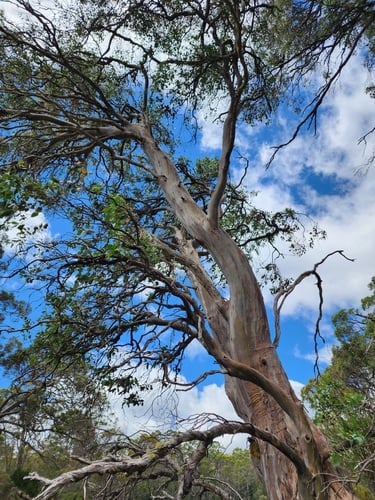
Eucalyptus gunnii
Cider Tree, Cider Gum
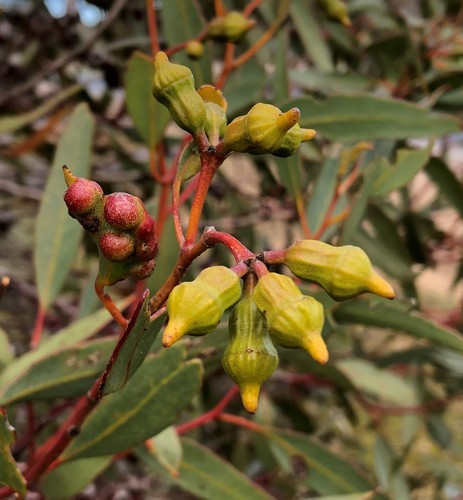
Eucalyptus incrassata
Yellow mallee, Ridge-fruited Mallee, Lerp Mallee, Mallee Box
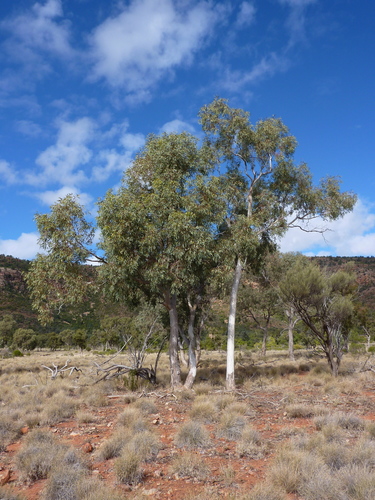
Eucalyptus intertexta
Inland Red Box, Gum-barked Coolibah, Western Red Box