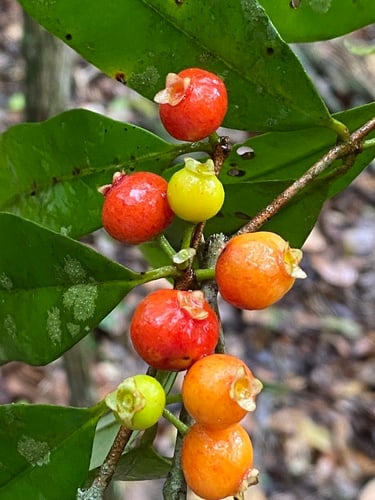
Myrciaria glomerata
O. Berg.
Cabelluda, Cabelludo
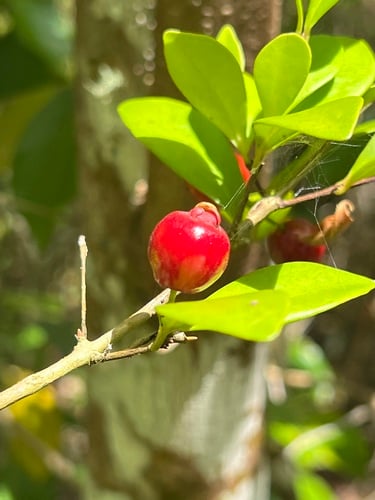
iNaturalist· cc-by-nc
(c) Tarciso Leão, some rights reserved (CC BY-NC), uploaded by Tarciso Leão
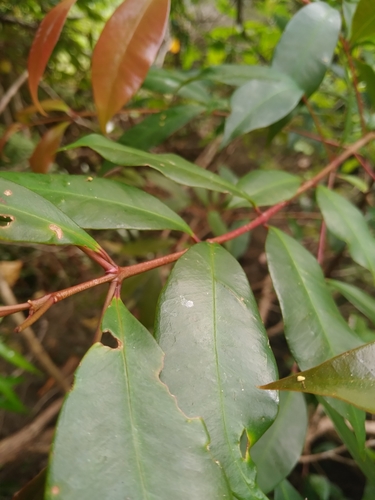
iNaturalist· cc-by-nc
(c) mfag, some rights reserved (CC BY-NC)
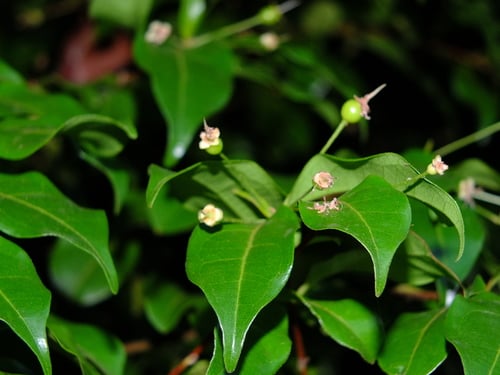
iNaturalist· cc-by-nc
(c) mfag, some rights reserved (CC BY-NC)
Summary
Source: WikipediaMyrciaria glomerata, commonly known as cabeludinha-vermelha (red cabeludinha) or cabeluda-escarlate (scarlet cabeluda), is a species of plant in the family Myrtaceae. It is an evergreen shrub or small tree, endemic to the north and east of Brazil. Myrciaria glomerata has historically been used to incorrectly describe Myrciaria glazioviana.
Description
A shrub or small tree. It grows 8 m tall. It can have several thin trunks. The fruit are small and yellow with a sweet pulp. They are 2 cm across. They have 2 seeds.
Edible Uses
Fruit - raw. The flesh is juicy and subacid with a pleasant flavour. The yellow fruits are about 20mm in diameter.
Traditional Uses
The fruit is eaten fresh.
This uses section is brief — help expand it
Distribution
A tropical plant. It can tolerate cold. It is best in full sun or light shade. It is best in a moist, well-drained, fertile soil.
Where It Grows
Asia, Australia, Brazil, Paraguay, SE Asia, Singapore, South America,
Cultivation
Plants need to be grown from fresh seed. Seeds may take 80-100 days. It can be grown as a hedge.
Propagation
Seed - it has a short viability and so is best sown as soon as it is ripe. Sow in a semi-shaded position in a nursery seedbed. Germination rates are quite low, with the seed sprouting within 80 - 100 days. The seedlings grow away quite slowly.
Other Uses
Plants can be trimmed and grown as a hedge.
Production
Plants can fruit 2-3 years after growing from seed.
Other Information
It is sometimes cultivated.
Synonyms
References (10)
- 1996, California Rare Fruit Growers, Inc. Fruit fact sheets (As Plinia glomerata)
- Facciola, S., 1998, Cornucopia 2: a Source Book of Edible Plants. Kampong Publications, p 157 (As Eugenia cabelluda), p 158 (As Myrciaria glomerata)
- Fern, K., 2012, Tropical Species Database http://theferns.info/tropical/
- Grandtner, M. M. & Chevrette, J., 2013, Dictionary of Trees, Volume 2: South America: Nomenclature, Taxonomy and Ecology. Academic Press p 436
- Hermandez Bermejo, J.E., and Leon, J. (Eds.), 1994, Neglected Crops. 1492 from a different perspective. FAO Plant Production and Protection Series No 26. FAO, Rome. p16 (As Eugenia cabelluda)
Show all 10 references Hide references
- Kermath, B. M., et al, 2014, Food Plants in the Americas: A survey of the domesticated, cultivated and wild plants used for Human food in North, Central and South America and the Caribbean. On line draft. p 606 (As Paramyrciaria glomerata)
- C. F. P. Martius, Fl. bras. 14(1):365. 1857 (As Plinia glomerata)
- Recher, P, 2001, Fruit Spirit Botanical Gardens Plant Index. www.nrg.com.au/~recher/ seedlist.html p 3 (As Plinia glomerata)
- USDA, ARS, National Genetic Resources Program. Germplasm Resources Information Network - (GRIN). [Online Database] National Germplasm Resources Laboratory, Beltsville, Maryland. Available: www.ars-grin.gov/cgi-bin/npgs/html/econ.pl (10 April 2000) (As Plinia glomerata)
- World Checklist of Useful Plant Species 2020. Royal Botanic Gardens, Kew