Crambe orientalis
Linn.
Oriental sea kale
iNaturalist· cc-by-nc
(c) sergejseleznev, some rights reserved (CC BY-NC), uploaded by sergejseleznev
iNaturalist· cc-by-nc-sa
(c) יאיר אור, some rights reserved (CC BY-NC-SA), uploaded by יאיר אור
iNaturalist· cc-by-nc-sa
(c) יאיר אור, some rights reserved (CC BY-NC-SA), uploaded by יאיר אור
Summary
A hardy perennial growing to 1.2 m tall and wide, suitable for UK zone 7. Flowers in June with seeds ripening in August. Hermaphroditic and insect-pollinated. Tolerates light sandy, medium loamy, and heavy clay soils, including nutritionally poor conditions. Grows in neutral to basic soils, semi-shade to full sun, and prefers moist conditions.
Description
A hardy perennial growing to 1.2 m tall and wide, suitable for UK zone 7. Flowers in June with seeds ripening in August. Hermaphroditic and insect-pollinated. Tolerates light sandy, medium loamy, and heavy clay soils, including nutritionally poor conditions. Grows in neutral to basic soils, semi-shade to full sun, and prefers moist conditions.
Edible Uses
The leaves are cooked. Immature flowering stems can be eaten raw or cooked and used like broccoli. The root is cooked; it is very thick and can serve as a horseradish substitute.
Traditional Uses
The very thick roots are used as a substitute for horseradish. The young flower stalks can be used like broccoli. The young leaves are eaten. It can produce an edible oil.
Medicinal Uses
None known.
Distribution
It is a temperate plant.
Where It Grows
Asia, Europe, Iran, Middle East, Russia, Turkey, Türkiye,
Cultivation
An easily grown species, succeeding in a good loam and an open sunny position. Prefers a slightly alkaline soil in a position sheltered from strong winds. Tolerates poor soil and some shade. Dislikes acid soils. Prefers a rather dry soil. Plants are hardy to about -20°c. A deep-rooted plant, it dislikes root disturbance.
Propagation
Seed — sow in March/April in a seedbed outdoors and either thin or transplant to permanent positions when plants are about 10cm tall. Young plants are very attractive to slugs and will often need protection. As germination can be slow, sowing in pots in a cold frame is preferable; germination usually occurs in 3–26 weeks at 15°c. Prick seedlings into individual pots as soon as they are large enough to handle, and plant out when at least 10cm tall. Divide in spring or autumn by digging up the root clump and cutting off sections, each with at least one growing point; larger divisions can go straight into permanent positions while smaller ones are best potted and grown on in a cold frame until established. Root cuttings 3–10cm long taken in spring can be planted directly in the ground or potted in a greenhouse and planted out once growing strongly.
Other Uses
None known.
Also Known As
Yabani turp
References (6)
- Ertug, F, Yenen Bitkiler. Resimli Türkiye Florası -I- Flora of Turkey - Ethnobotany supplement
- Facciola, S., 1998, Cornucopia 2: a Source Book of Edible Plants. Kampong Publications, p 58
- Hedrick, U.P., 1919, (Ed.), Sturtevant's edible plants of the world. p 223
- Lim, T. K., 2015, Edible Medicinal and Non Medicinal Plants. Volume 9, Modified Stems, Roots, Bulbs. Springer p 28
- Senkardes, I & Tuzlaci, E., 2016, Wild Edible Plants of Southern Part of Nevsehir inTurkey. Marmara Pharmaceutical Journal 20:34-43
Show all 6 references Hide references
- Sp. pl. 2:671. 1753
More from Brassicaceae
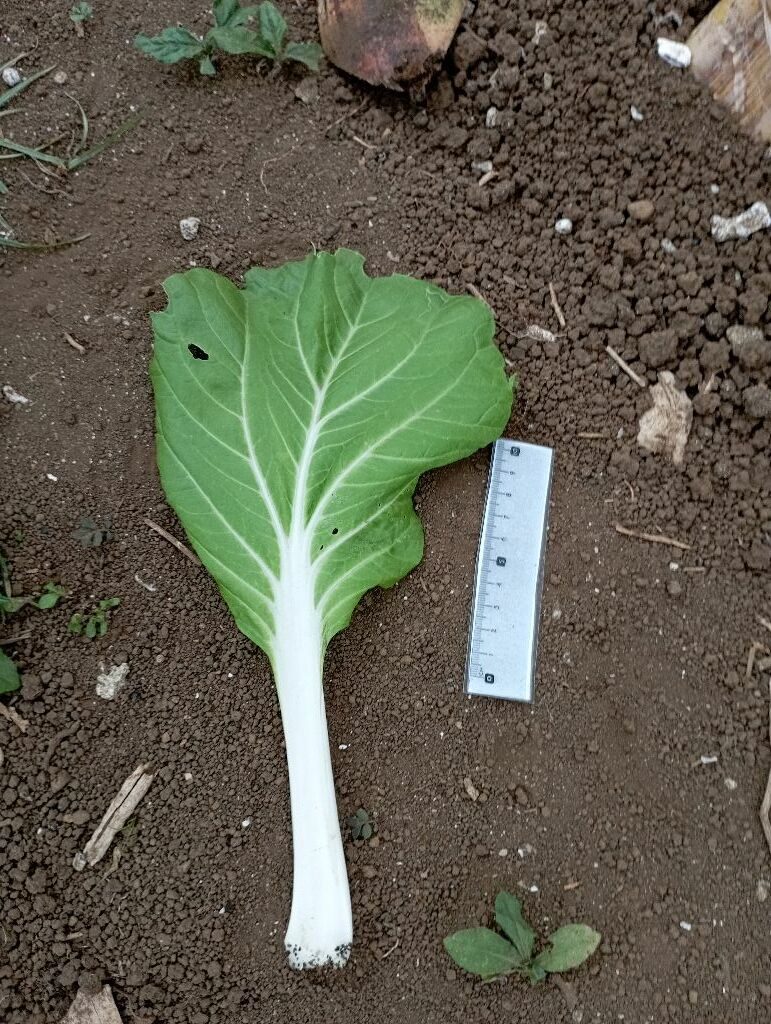
Brassica rapa pekinensis - (Lour.)Hanelt.
Chinese Cabbage
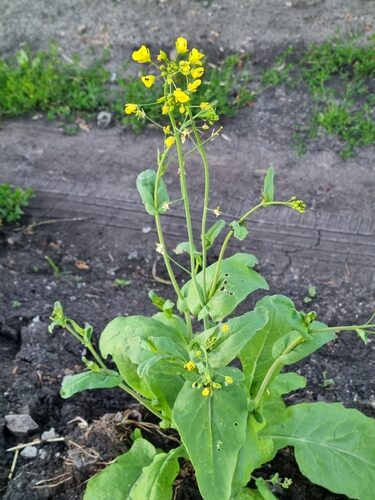
Brassica rapa perviridis
Mustard Spinach
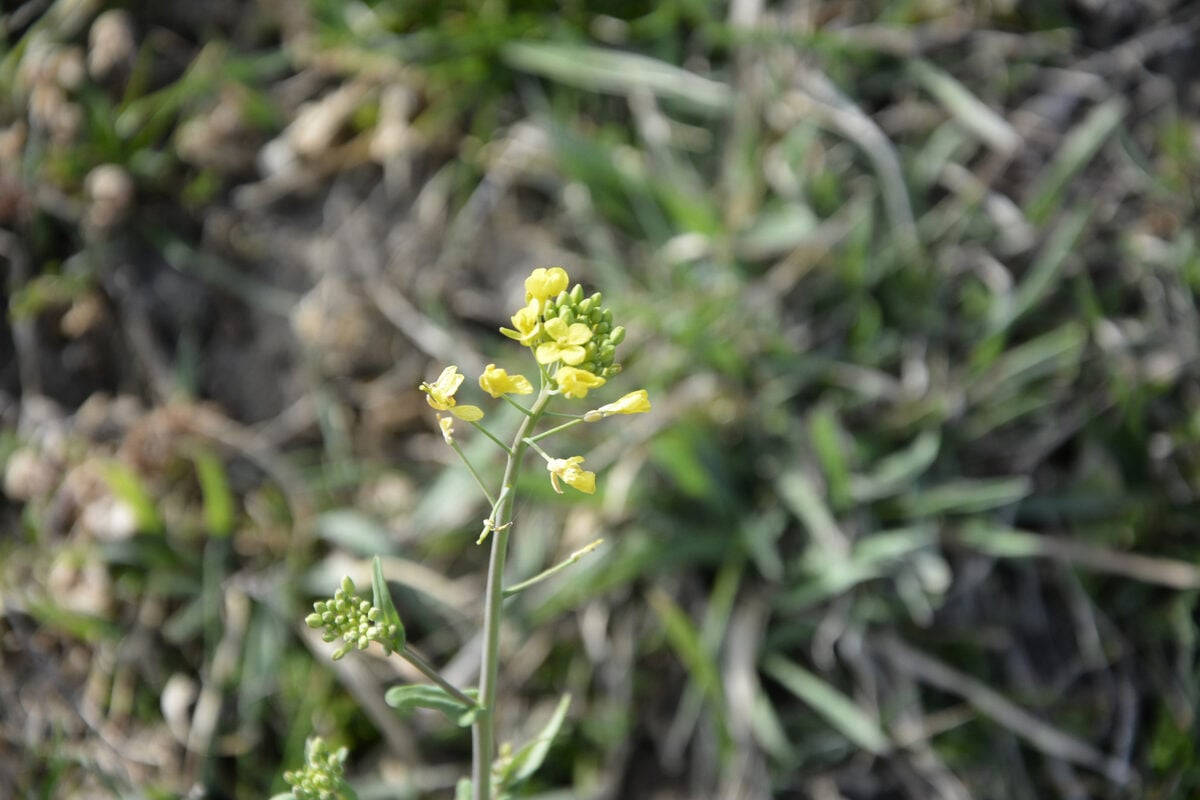
Brassica rapa subsp. campestris
Wild turnip
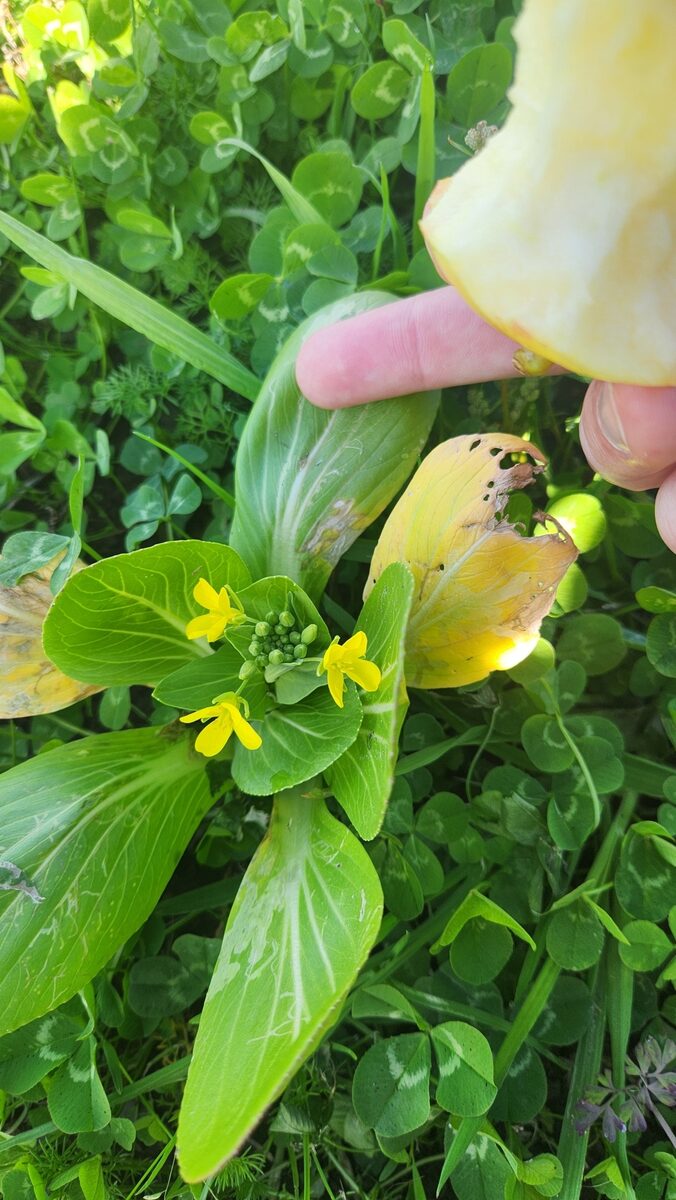
Brassica rapa subsp. chinensis
Bok-choy Celery cabbage
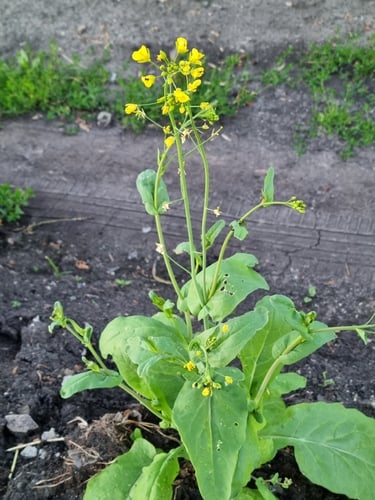
Brassica rapa subsp. dichotoma
Brown sarson, Canola, Indian rape
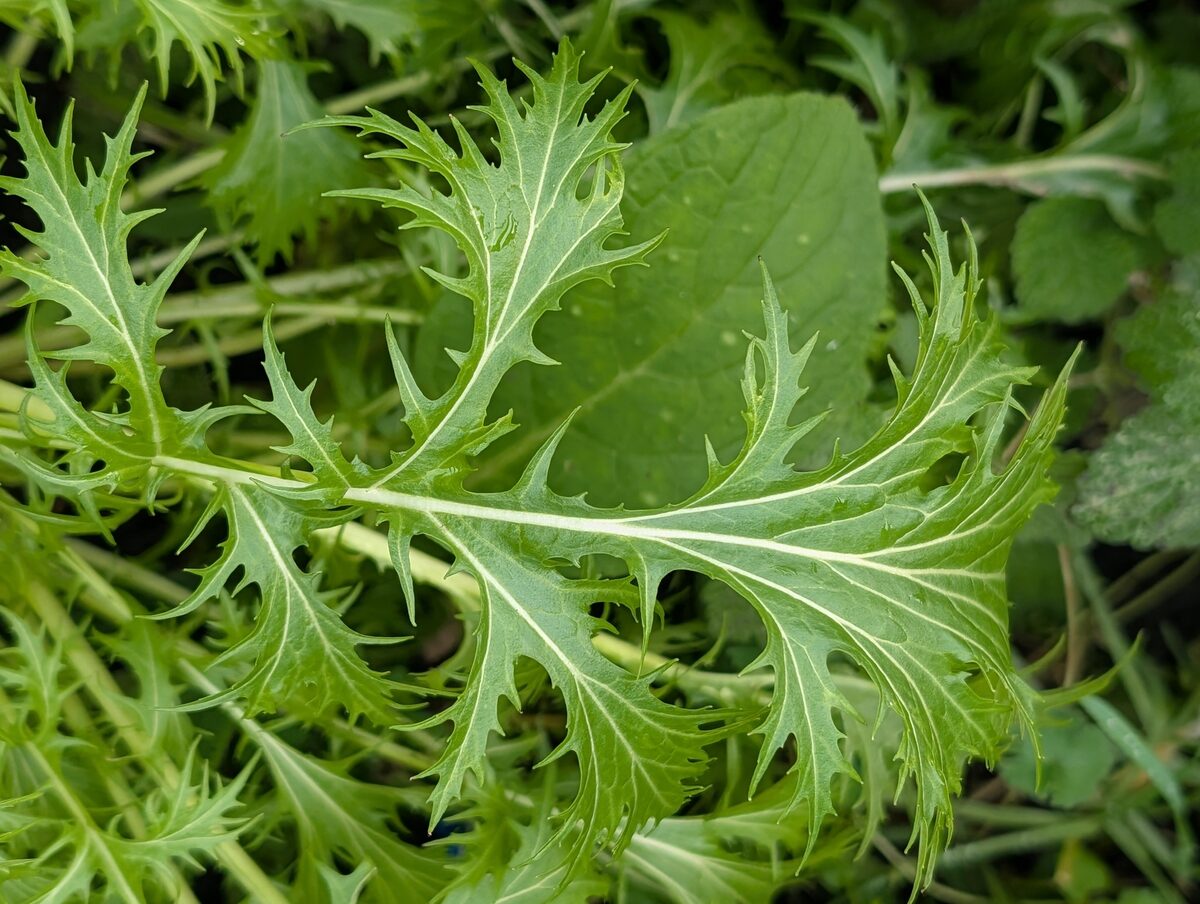
Brassica rapa subsp. nipposinica
Mibuna, Mizuma