Berberis jaeschkeana
C. K. Schneid.
Dam, Jaeschke's barberry
iNaturalist· cc-by-nc-nd
(c) Subhajit Roy, some rights reserved (CC BY-NC-ND), uploaded by Subhajit Roy
wikimedia· cc-by-sa
Wikimedia Commons - Michael Wolf
wikimedia· cc-by-sa
Wikimedia Commons - Krzysztof Ziarnek, Kenraiz
Summary
A deciduous shrub reaching 0.8 m tall. Hermaphrodite and self-fertile, pollinated by insects. Tolerates light sandy, medium loamy, and heavy clay soils, including nutritionally poor soils. Grows in mildly acid, neutral, or basic pH; adapts to semi-shade or full sun; prefers dry or moist conditions.
Description
A shrub. It grows 1 m tall. It loses its leaves during the year. The stems are stout and angular. It has spines 1-2 cm long. The leaves are 1-2 cm long and 5-8 mm wide. There are spines along the edge. The flowers are in groups of 3-5 on flat topped clusters. They are 2-4 cm long. The fruit are oval berries 8-10 mm long. They are red.
Edible Uses
Edible Parts: Fruit Edible Uses: Fruit - raw or cooked.
Traditional Uses
Both the ripe and unripe acidic fruit are eaten.
This uses section is brief — help expand it
Medicinal Uses
Antibacterial Cancer Dysentery Berberine, universally present in rhizomes of Berberis species, has marked antibacterial effects. Since it is not appreciably absorbed by the body, it is used orally in the treatment of various enteric infections, especially bacterial dysentery. It should not be used with Glycyrrhiza species (Liquorice) because this nullifies the effects of the berberine. Berberine has also shown antitumour activity.
Known Hazards
Do not use with Glycyrrhiza species (Liquorice) as this negates the berberine's therapeutic effects.
Distribution
It is a subtropical plant. It grows in the Himalayas between 3,100-3,500 m above sea level.
Where It Grows
Asia, Himalayas, India, Pakistan,
Cultivation
Prefers a warm moist loamy soil and light shade but it is by no means fastidious, succeeding in thin, dry and shallow soils. Grows well in heavy clay soils. Plants can be pruned back quite severely, they resprout well from the base. Hybridizes freely with other members of this genus.
Propagation
Seed - best sown as soon as it is ripe in a cold frame, when it should germinate in late winter or early spring. Seed from over-ripe fruit will take longer to germinate, whilst stored seed may require cold stratification and should be sown in a cold frame as early in the year as possible. The seedlings are subject to damping off, so should be kept well ventilated. When the seedlings are large enough to handle, prick them out into individual pots and grow them on in a cold frame. If growth is sufficient, it can be possible to plant them out into their permanent positions in the autumn, but generally it is best to leave them in the cold frame for the winter and plant them out in late spring or early summer of the following year. Cuttings of half-ripe wood, July/August in a frame. Cuttings of mature wood of the current season's growth, preferably with a heel, October/November in a frame.
Other Uses
Dye A yellow dye is obtained from the root. Special Uses
Other Information
The fruit are eaten especially by children.
Notes
There are about 450-500 Berberis species.
References (5)
- Bull. Herb. Boissier ser. 2, 5:399. 1905
- Haj, F., et al, 2012, Species Diversity and Ethno Botanical Classes of the Flora of Allai Valley District Battagram Pakistan. International Journal of Plant Research 2012, 2(4): 111-123
- Negi, P. S. & Subramani, S. P., 2015, Wild Edible Plant Genetic Resources for Sustainable Food Security and Livelihood of Kinnaur District, Himachal Pradesh, India, International Journal of Conservation Science. 6 (4): 657-668
- Plants for a Future database, The Field, Penpol, Lostwithiel, Cornwall, PL22 0NG, UK. http://www.scs.leeds.ac.uk/pfaf/
- Rawat, G.S., & Pangtey, Y.P.S., 1987, A Contribution to the Ethnobotany of Alpine Regions of Kumaon. J. Econ. Tax. Bot. Vol. 11 No. 1 pp 139-147
More from Berberidaceae
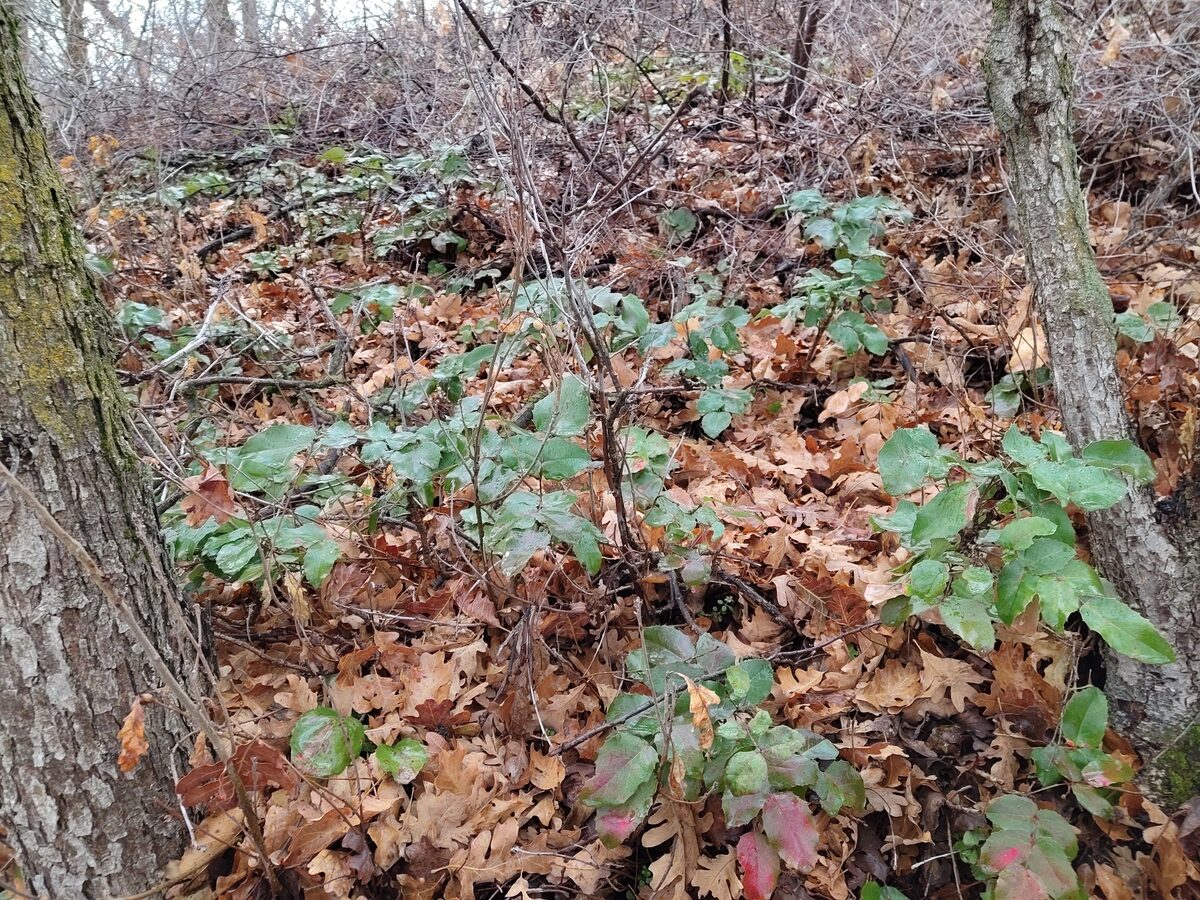
Mahonia repens - (Lindl.)G.Don.
Creeping Oregon Grape, Creeping barberry, Grape Oregon
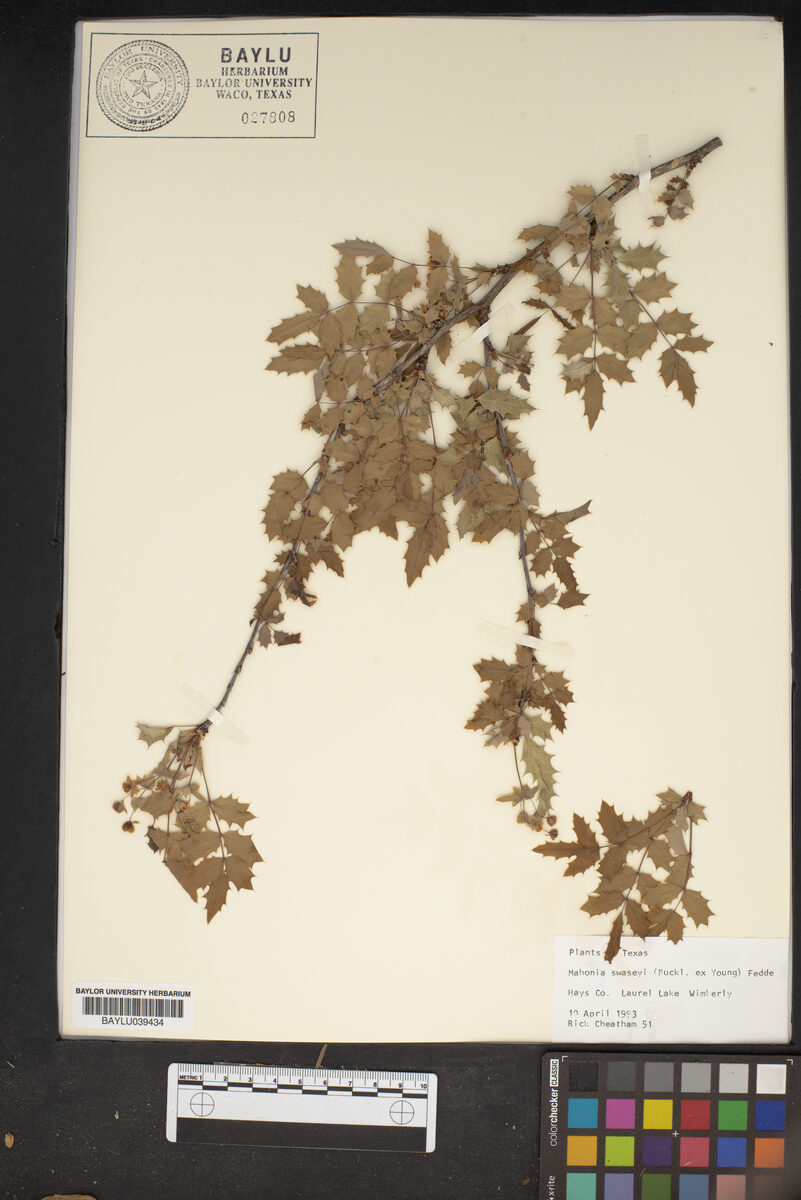
Mahonia swaseyi - (Buckley.)Fedde.
Texas Mahonia, Texas barberry
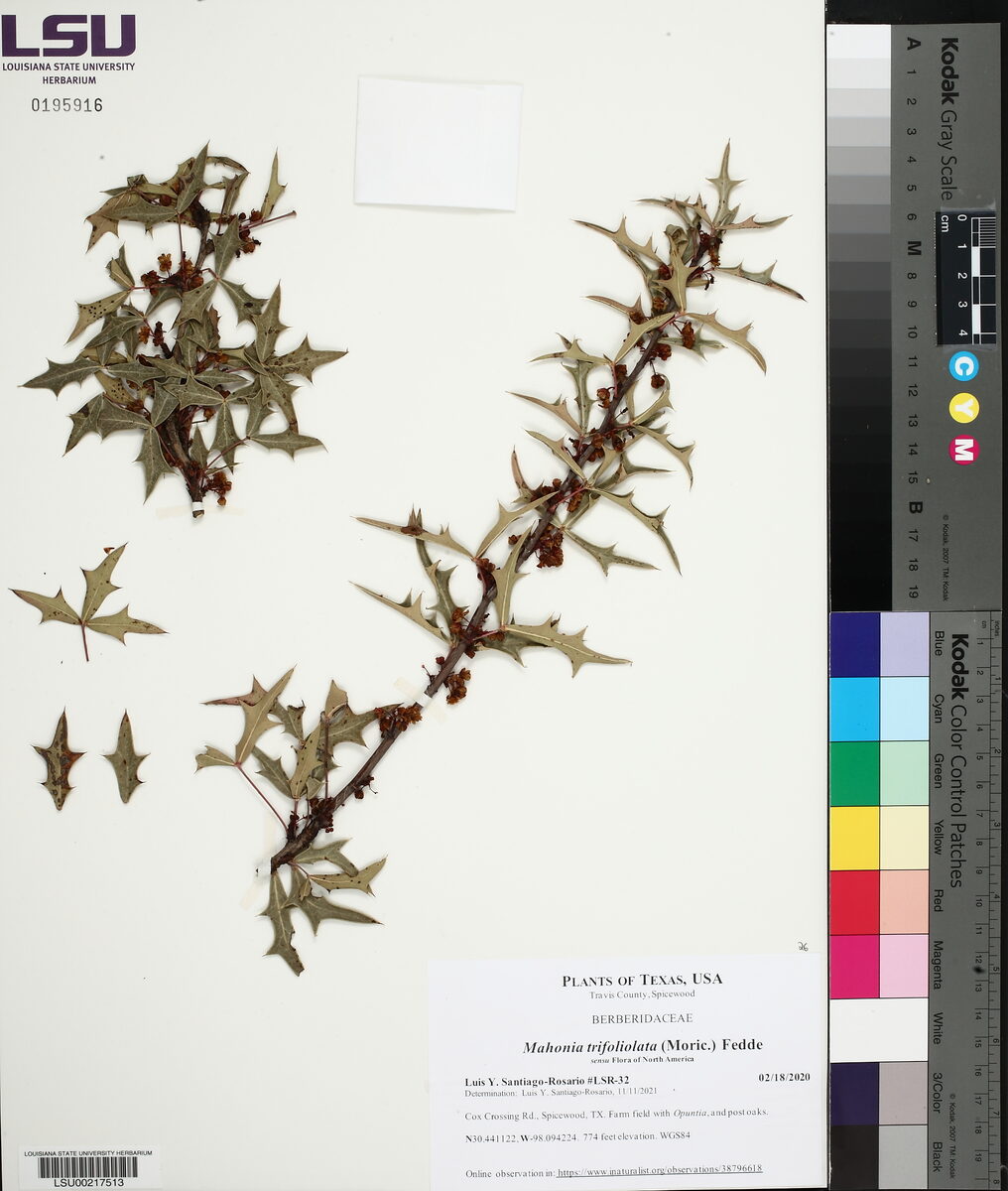
Mahonia trifoliolata - (Moric.)Fedde.
Threeleaf Barberry, Mexican Barberry, Algerita
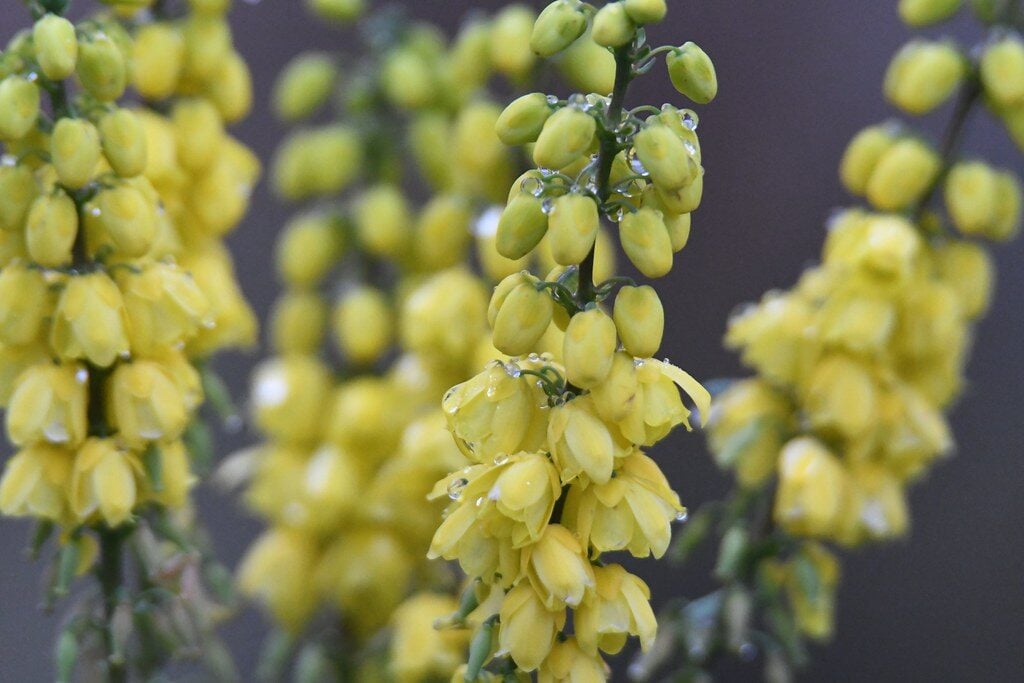
Mahonia x media
Nandina domestica
Sacred Bamboo, Heavenly Bamboo
Podophyllum peltatum
May apple