Berberis crataegina
DC.
Karamuk calisi
iNaturalist· cc-by
(c) Andre Hosper, some rights reserved (CC BY), uploaded by Andre Hosper
iNaturalist· cc0
no rights reserved
wikimedia· cc-by-sa
Wikimedia Commons - Franz Xaver
Description
A prickly shrub in the Berberidaceae family that grows to approximately 2 m tall. It produces red fruit that grow in clusters.
This description is brief — help expand it
Edible Uses
The red fruit are eaten fresh, boiled into jam, or dried. The leaves are eaten raw.
Traditional Uses
The fruit are eaten fresh or boiled to make jam. They are also dried. The leaves are eaten raw.
This uses section is brief — help expand it
Where It Grows
Fruit, Leaves, Seeds, Nuts,
Other Information
Berberidaceae
Notes
A shrub. It grows 2 m tall. It is prickly. The fruit grow in clusters. The fruit are red.
Nutrition
| Part | Moisture | kJ | kcal | Protein | Vit A | Vit C | Iron | Zinc |
|---|---|---|---|---|---|---|---|---|
| Fruit | 14.1 | 1 | 269 | 1.7 | — | — | 11.8 | 1.8 |
Also Known As
Karacali, Karamik, Karamuk, Keci ayagi, Kus uzumu calisi, Kizilcik, Mendek, Sancali, Tavuk ayagi, Zirinc
References (9)
- Ari, S., et al, 2015, Ethnobotanical survey of plants used in Afyonkarahisar-Turkey. Journal of Ethnobiology and Ethnomedicine 11:84
- Cakir, E. A., 2017, Traditional knowledge of wild edible plants of Iğdır Province (East Anatolia, Turkey). Acta Soc Bot Pol. 2017;86(4):3568.
- Dogan, A. & Tuzlaci, E., 2015, Wild Edible Plants of Pertek (Tunceli-Turkey). Marmara Pharmaceutical Journal 19: 126-135
- Ertug, F., 2000, An Ethnobotanical Study in Central Anatolia (Turkey). Economic Botany Vol. 54. No. 2. pp. 155-182
- Ertug, F, Yenen Bitkiler. Resimli Türkiye Florası -I- Flora of Turkey - Ethnobotany supplement
Show all 9 references Hide references
- Kargioglu, M., et al, 2008, An Ethnobotanical Survey of Inner-West Anatolia, Turkey. Human Ecology 36:763-777
- Kargioglu, M. et al, 2010, Traditional Uses of Wild Plants in the Middle Aegean Region. Human Ecology 38:429-450
- Rivera, D. et al, 2006, Gathered Mediterranean Food Plants - Ethnobotanical Investigations and Historical Development, in Heinrich M, Müller WE, Galli C (eds): Local Mediterranean Food Plants and Nutraceuticals. Forum Nutr. Basel, Karger, 2006, vol 59, pp 18–74
- Senkardes, I & Tuzlaci, E., 2016, Wild Edible Plants of Southern Part of Nevsehir inTurkey. Marmara Pharmaceutical Journal 20:34-43
More from Berberidaceae
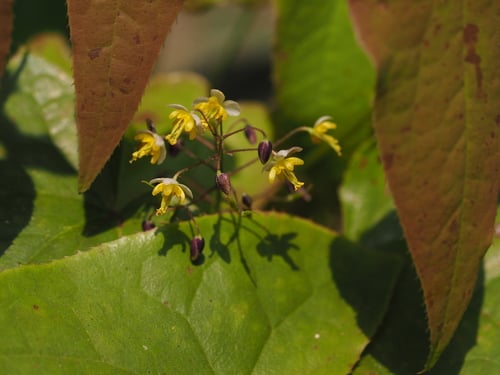
Epimedium sagittatum
Barrenwort, Horny goatweed
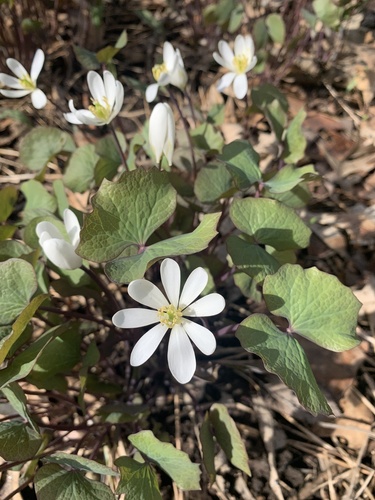
Jeffersonia diphylla
Twinleaf
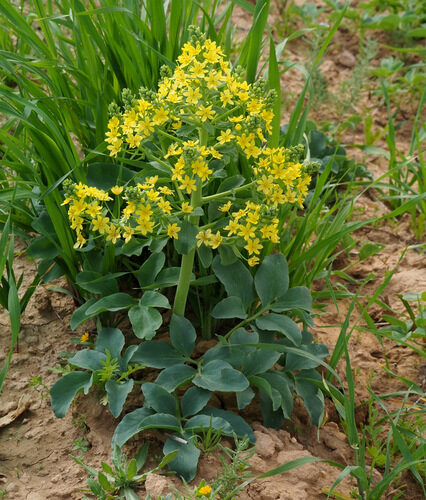
Leontice leontopetalum
Rakaf
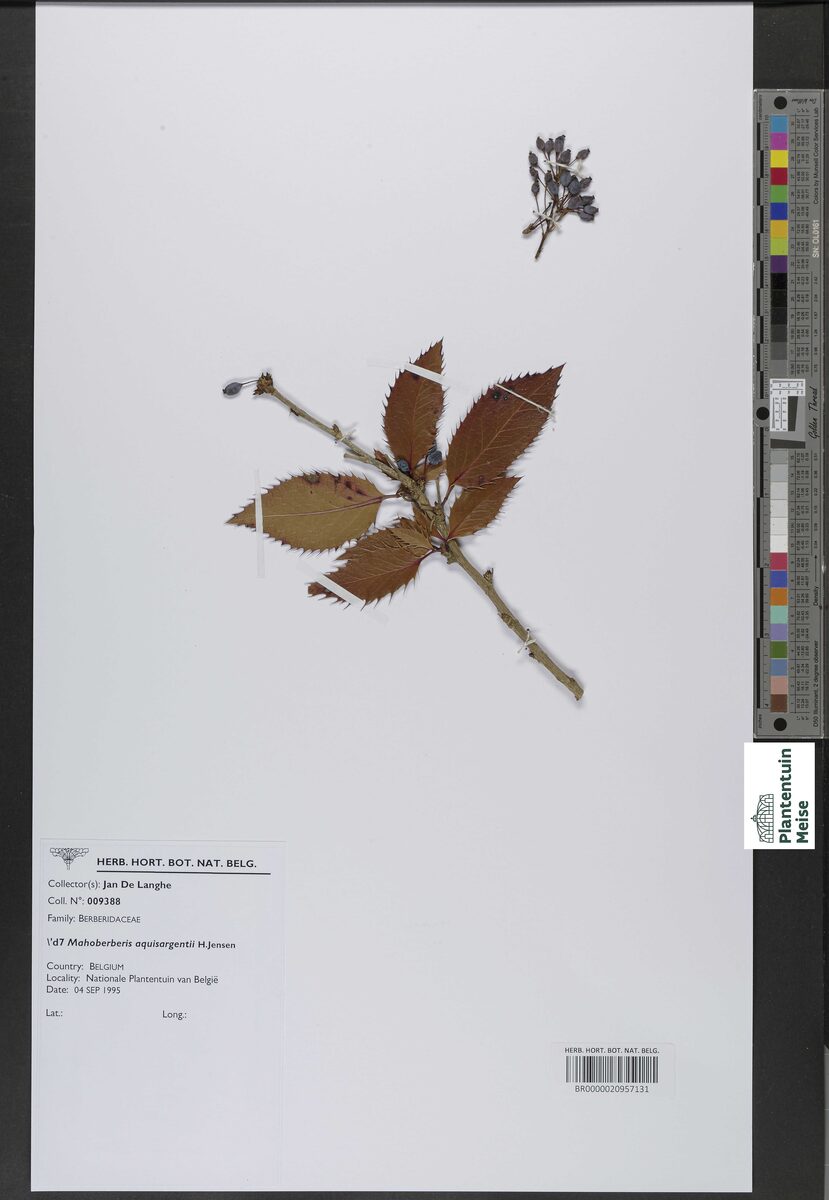
Mahoberberis aquisargentii
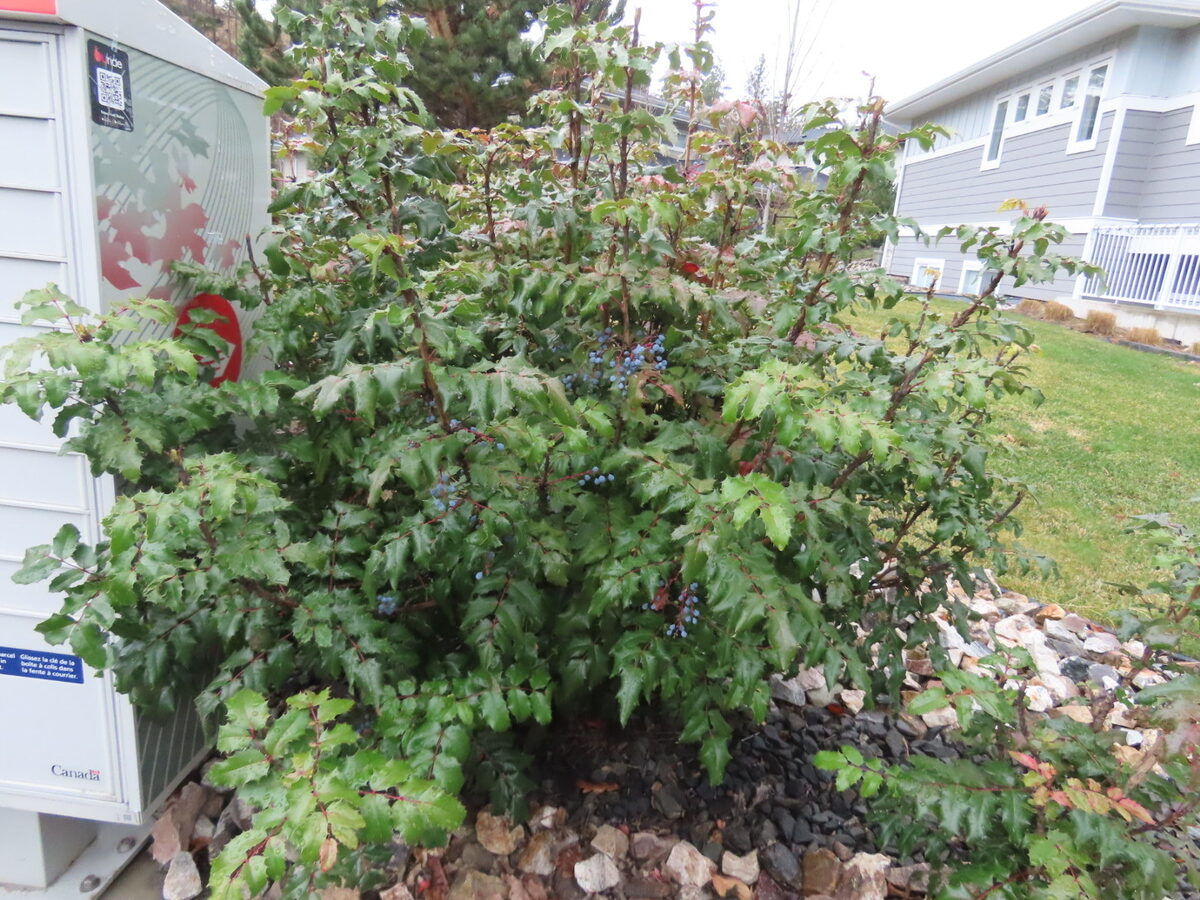
Mahonia aquifolium - (Pursh.)Nutt.
Oregon Grape, Hollyleaved barberry, Oregon Holly Grape, Oregon Holly
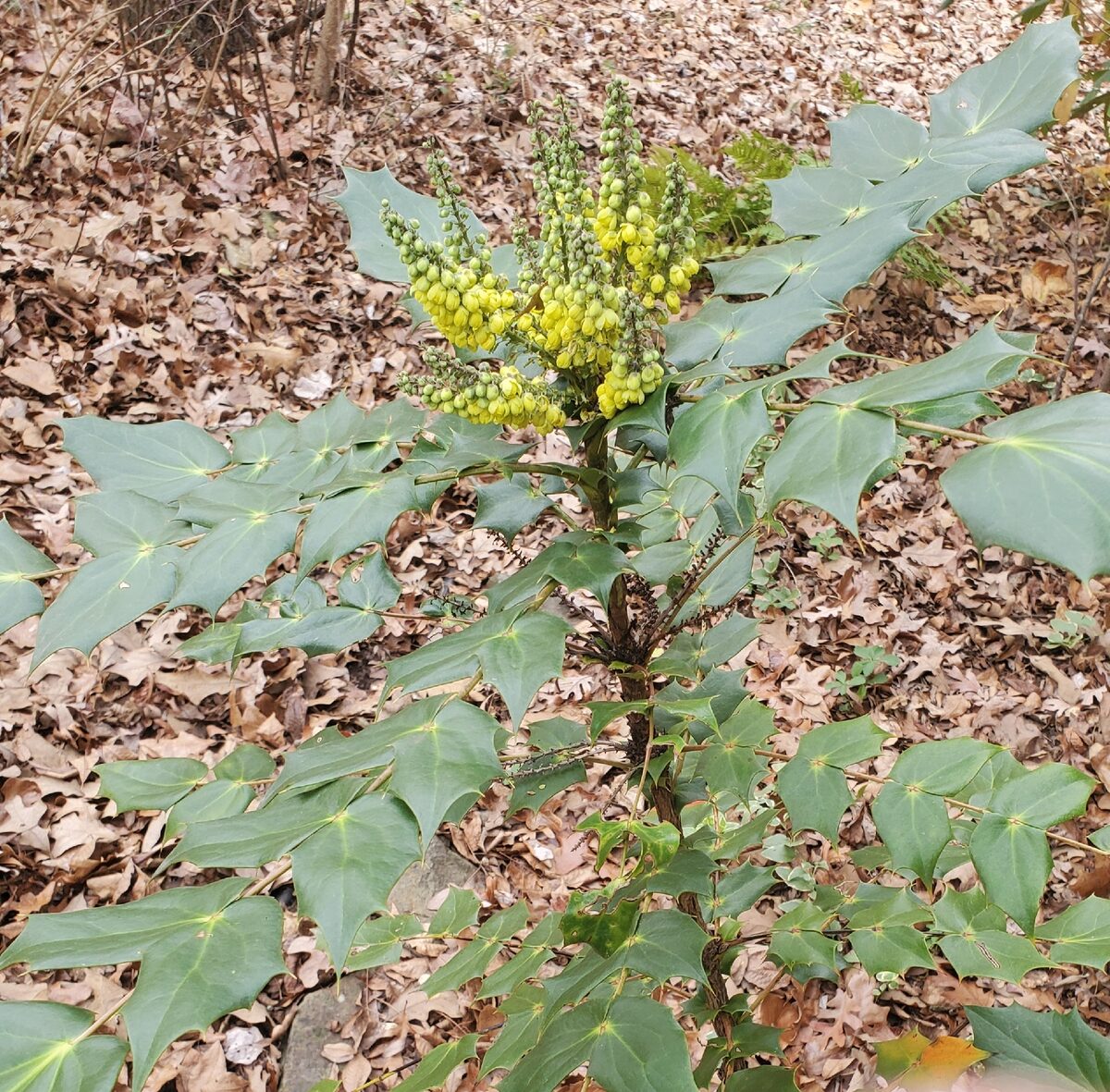
Mahonia bealei - (Fortune.)Carrière.
Beale's barberry, Leatherleaf Mahonia