Albizia lucidior
(Steudel) I. Nielsen
Potka siris tree
iNaturalist· cc-by-nc
(c) 刘光裕 Liu Guangyu, some rights reserved (CC BY-NC)
iNaturalist· cc-by-nc
(c) Sangay Wangchuk, some rights reserved (CC BY-NC)
iNaturalist· cc-by-nc
(c) Sangay Wangchuk, some rights reserved (CC BY-NC)
Summary
Source: WikipediaFast-growing deciduous tree reaching 15m tall by 15m wide. Bee and insect pollinated. Grows in light sandy, medium loamy, and heavy clay soils with good drainage preference. Tolerates mildly acidic to basic pH. Can grow in semi-shade or full sun. Prefers moist soil. Hardy to UK zone 10. Fixes atmospheric nitrogen.
Description
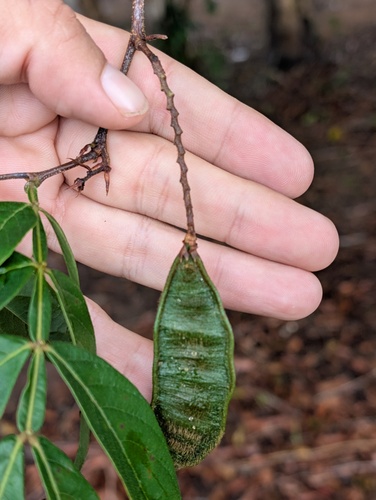
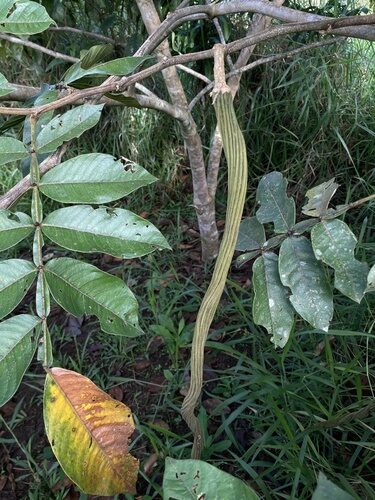
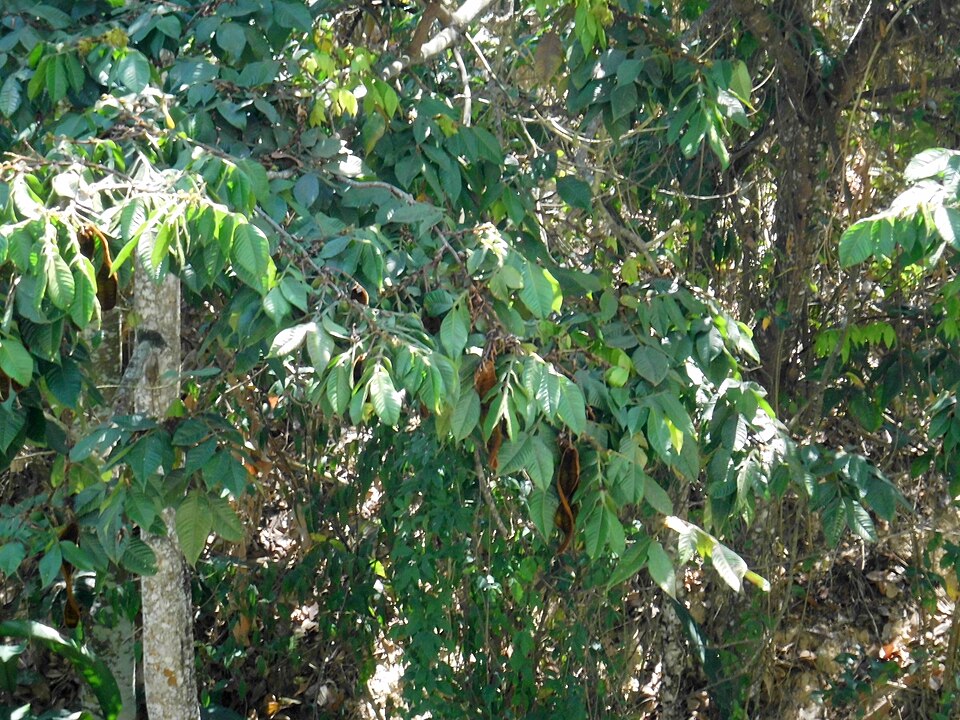
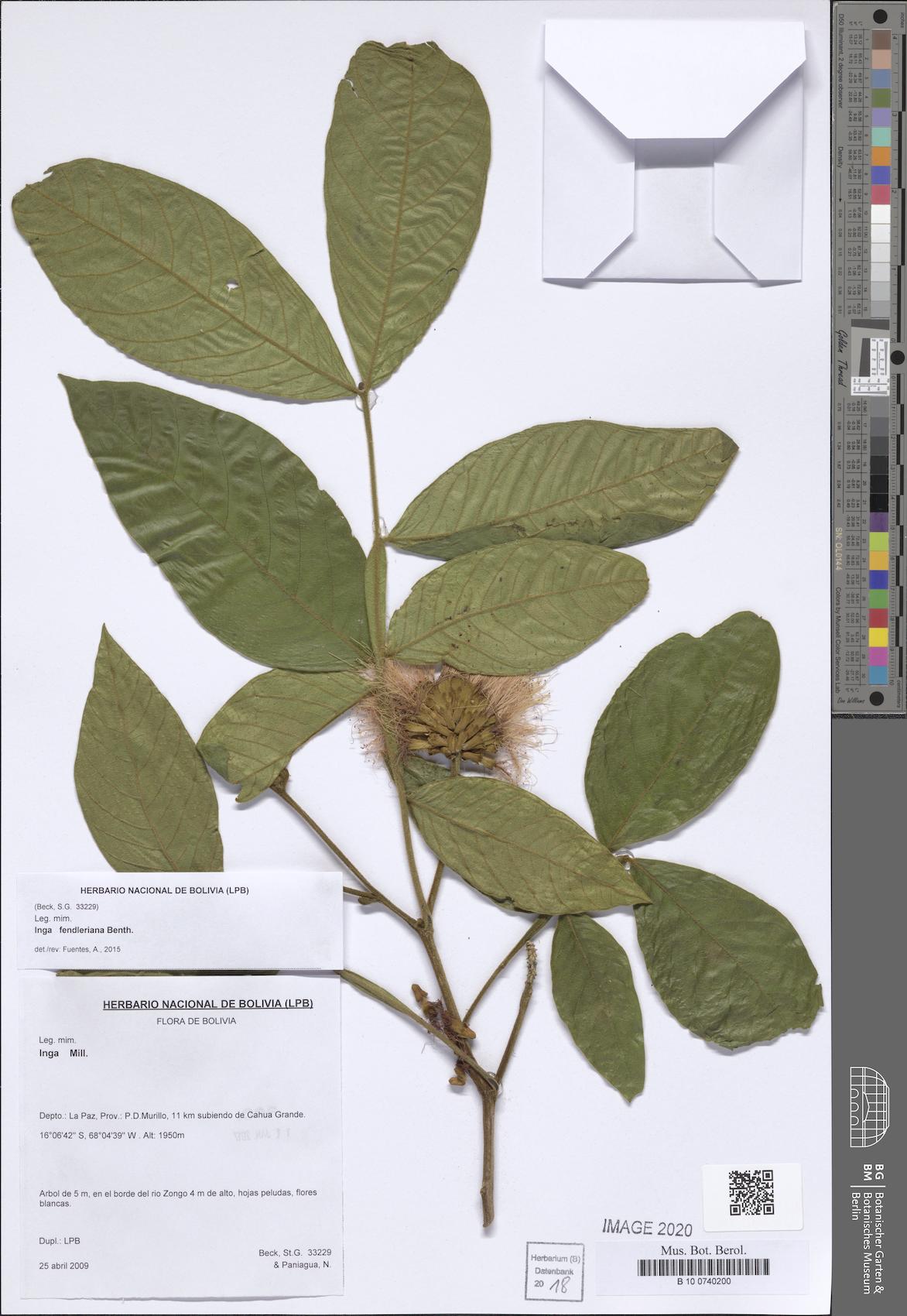
A tall tree. It grows 40 m tall. The crown is dark green. The bark is thin and grey. The leaves are divided with leaflets along the stalk. There are 1-4 pairs of leaflets. These are 5-10 cm long by 2-4 cm wide and the top ones are the largest. The flowers are in groups of 6-10 in heads. The flowers are small. The clusters are at the ends of twigs. The fruit is 10-30 cm long by 3-4 cm wide. There are 2-10 round dark brown seeds.
Edible Uses
None known.
Traditional Uses
The bitter young leaves are cooked with pork or other meat.
This uses section is brief — help expand it
Medicinal Uses
None known.
Distribution
It is a tropical plant. In southern China it grows in secondary forests between 600-1,900 m above sea level. In XTBG Yunnan.
Where It Grows
Asia, Cambodia, China, India, Indochina, Indonesia, Laos, Myanmar, Northerstern India, SE Asia, Taiwan, Thailand, Vietnam,
Cultivation
Plants can be grown from seeds.
Propagation
Seed has a hard seedcoat and benefits from scarification before sowing. Pour a small amount of nearly boiling water over the seeds (taking care not to cook them), then soak in warm water for 12–24 hours. Seeds that have swollen are ready to sow. Any that remain unswollen should be carefully nicked in the seedcoat, avoiding the embryo, and soaked for a further 12 hours before sowing.
Other Uses
Agroforestry Uses: This tree has an open canopy, fixes atmospheric nitrogen, and improves soil quality. It is commonly left standing when forest is cleared, particularly to provide shade in tea plantations, and is sometimes planted there for that purpose. Other Uses: The heartwood is brown with dark streaks and alternating dark and light concentric bands; the sapwood is white. The wood is very hard and of good quality but is not used in India. Elsewhere it is used for construction and furniture. The wood can also be used as fuel.
Notes
There are 145-150 Albizia species. They grow in the tropics and subtropics. Also as Mimosaceae.
Synonyms
Also Known As
Langit, Moz, Num-hpun-kap, Pohon sengon siris, Thanthat
References (7)
- Bircher, A. G. & Bircher, W. H., 2000, Encyclopedia of Fruit Trees and Edible Flowering Plants in Egypt and the Subtropics. AUC Press. p 17 (As Albizia lucida)
- Gardner, S., et al, 2000, A Field Guide to Forest Trees of Northern Thailand, Kobfai Publishing Project. p 158
- Hedrick, U.P., 1919, (Ed.), Sturtevant's edible plants of the world. p 31
- ILDIS Legumes of the World http:www;ildis.org/Legume/Web
- London J. Bot. 3:86. 1844
Show all 7 references Hide references
- Pegu, R., et al, 2013, Ethnobotanical study of Wild Edible Plants in Poba Reserved Forest, Assam, India. Research Journal of Agriculture and Forestry Sciences 1(3):1-10 (As Albizia lucida)
- Sukarya, D. G., (Ed.) 2013, 3,500 Plant Species of the Botanic Gardens of Indonesia. LIPI p 116