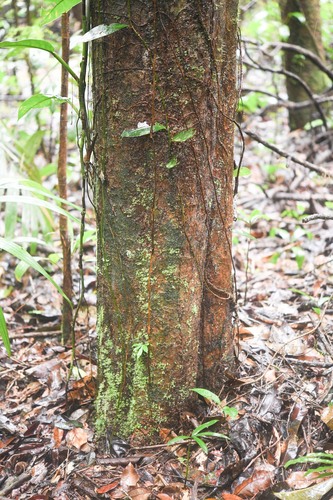
Sideroxylon foetidissimum
Jacq.
Mastic, Mastic jungleplum
iNaturalist· cc-by-nc
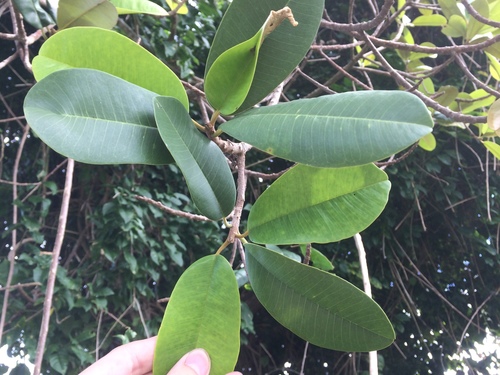
(c) obrock, some rights reserved (CC BY-NC), uploaded by obrock
iNaturalist· cc-by-nc
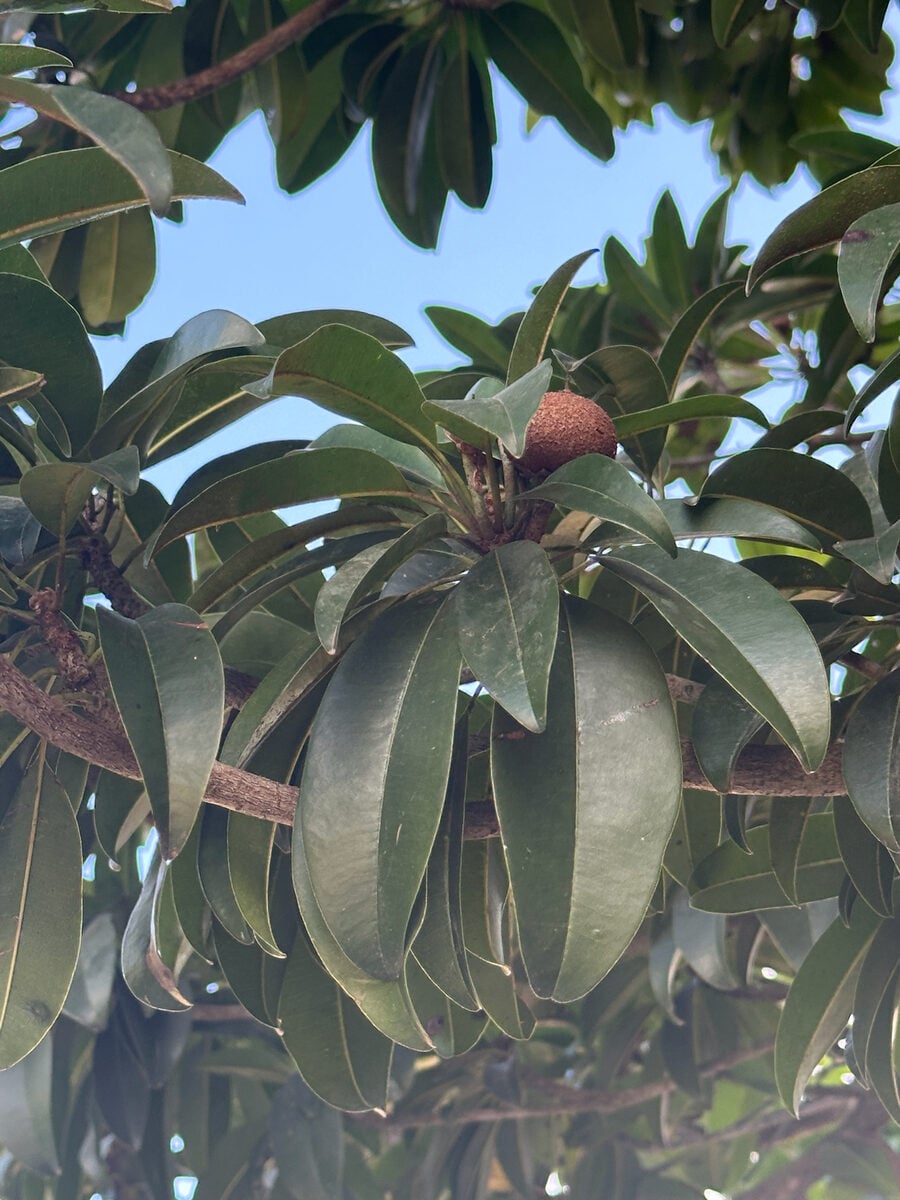
(c) Alan R. Franck, some rights reserved (CC BY-NC), uploaded by Alan R. Franck
iNaturalist· cc-by-nc
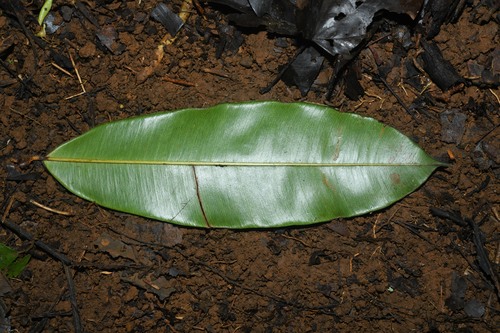
(c) obrock, some rights reserved (CC BY-NC), uploaded by obrock
Summary
Source: WikipediaSideroxylon foetidissimum, commonly known as false mastic or yellow mastic, is a species of flowering plant in the family Sapotaceae. It is native to Florida in the United States, the Caribbean, and northern Central America.
Description
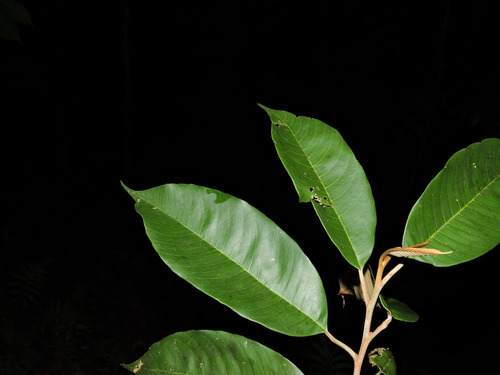
An evergreen tree. It grows up to 25 m tall. The leaves are simple and yellowish-green. They are oblong and 20 cm long. The flowers are small and creamy-yellow. They clasp the twigs. They have a smell like cheese. The fruit is fleshy with a stone. They are 2.5 cm across. They are deep yellow and sour. They have a gummy latex.
Edible Uses
Fruit - raw. An unpleasant, gummy taste. The unripe fruit contains copious latex and is unpleasant to eat. The fleshy pericarp is around 1 - 2mm thick. The broadly ellipsoid, yellow fruit is around 15 - 26mm long and 20mm wide, containing a single large seed.
Distribution
A tropical plant. It is native to Central America and the West Indies. It grows in dry coastal forests and woodlands. It can tolerate drought and salt. It need full sun and does best in a fertile, well drained soil. It suits hardiness zones 9-11.
Where It Grows
Antigua, Antilles, Bahamas, Barbados, Belize, Caribbean, Central America, Cuba, Dominica, Dominican Republic, Guatemala, Haiti, Jamaica, Leeward Is., Mexico, North America, Puerto Rico, South America, Trinidad and Tobago, USA, Virgin Islands, West Indies,
Cultivation
Plants are grown from seed. Seed need treatment before they will grow.
Other Uses
The heartwood is yellowish to bright orange; the thick sapwood yellowish. The wood is hard, heavy, strong and durable. It is used for construction, cabinet making, boat building.
Synonyms
Also Known As
Akoma, Akoma fran, Ascomat, Caguani, Caguini, Calla, Caya amarilla, Caya blanca, Caya prieta, Coguani, Coma, Goma, Jacuma, Jocuma, Juba, Koma, Tortigo amarillo, Tortugo colorado
References (12)
- Barwick, M., 2004, Tropical and Subtropical Trees. A Worldwide Encyclopedic Guide. Thames and Hudson p 376
- Enum. syst. pl. 15. 1760 (Select. stirp. amer. hist. 55. 1763)
- Grandtner, M. M., 2008, World Dictionary of Trees. Wood and Forest Science Department. Laval University, Quebec, Qc Canada. (Internet database http://www.wdt.qc.ca)
- Grandtner, M. M. & Chevrette, J., 2013, Dictionary of Trees, Volume 2: South America: Nomenclature, Taxonomy and Ecology. Academic Press p 603
- Kermath, B. M., et al, 2014, Food Plants in the Americas: A survey of the domesticated, cultivated and wild plants used for Human food in North, Central and South America and the Caribbean. On line draft. p 803
Show all 12 references Hide references
- Kiple, K.F. & Ornelas, K.C., (eds), 2000, The Cambridge World History of Food. CUP p 1811 (As Sideroxylon mastichodendron)
- Martin, F.W., C.W. Campbell and R.M. Ruberté, 1987, Perennial edible fruits of the tropics - An inventory. United States Department of Agriculture, Agricultural Research Service, Agriculture Handbook No. 642. Washington, D.C., USA.
- McLaughlin, J., Woody and Herbaceus Plants Native to Haiti. University of Florida. p 20
- Moerman, D. F., 2010, Native American Ethnobotany. Timber Press. p 530
- Plants of Haiti Smithsonian Institute http://botany.si.edu/antilles/West Indies
- Rollins, C. B., 1987, The Role of the Fruit & Spice Park in Popularization and Dissemination of Tropical Fruit in South Florida. Proc. Fla. State Hort. Soc. 100:323-327 (As Mastichodendron foetidissima)
- World Checklist of Useful Plant Species 2020. Royal Botanic Gardens, Kew