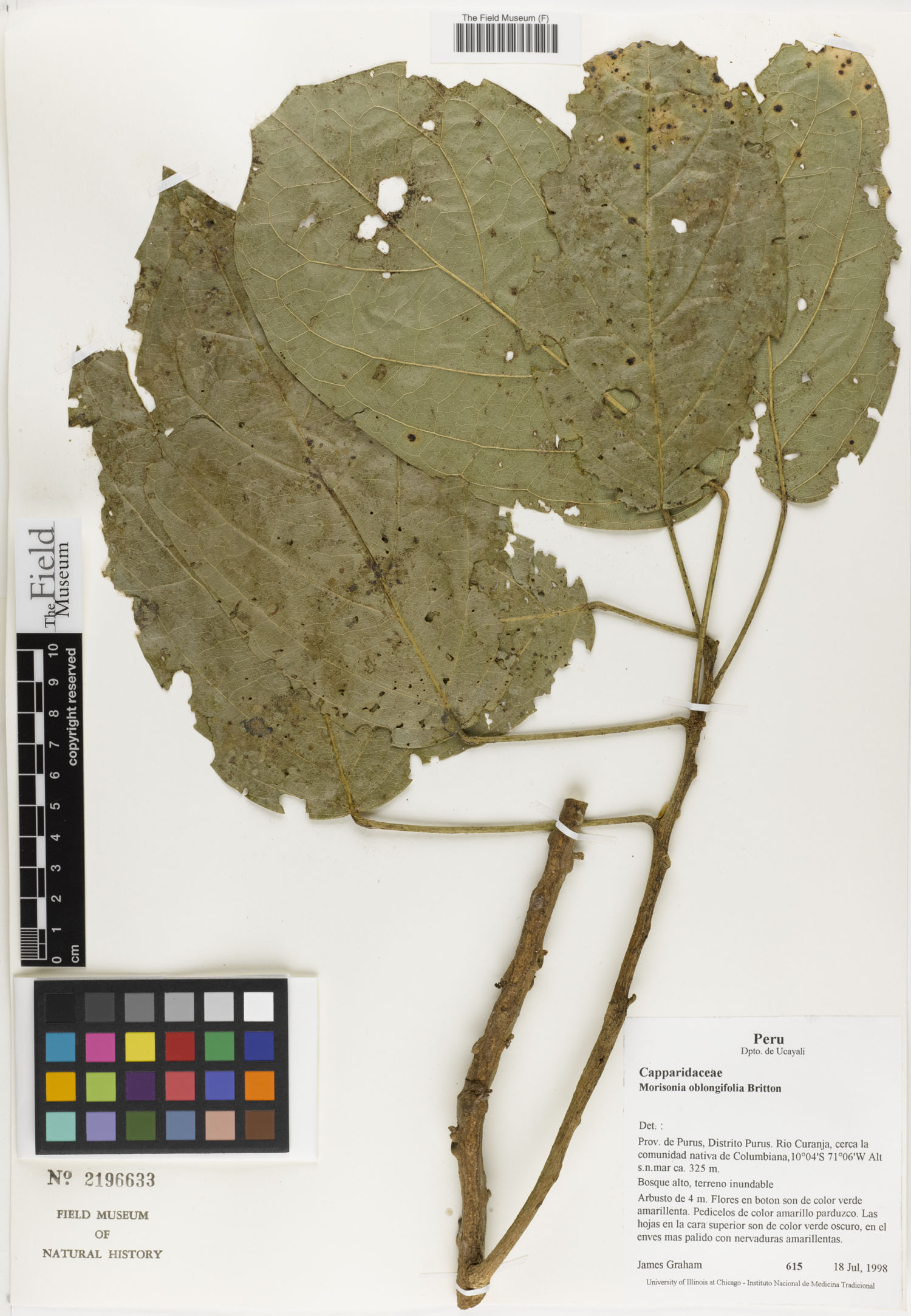
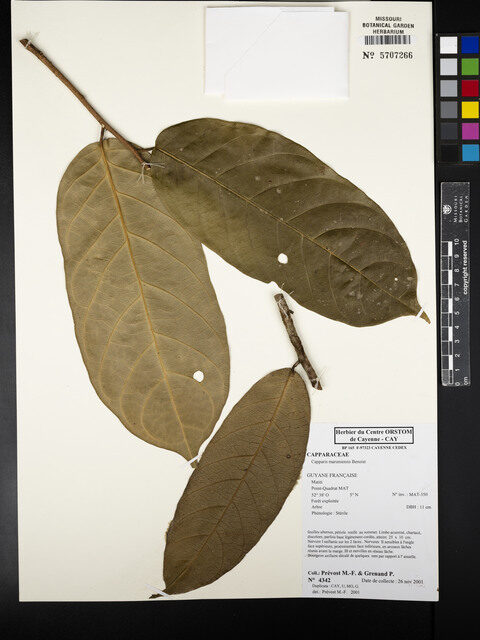
Capparis brevispina
DC.
Aadhandai, Indian caper
iNaturalist· cc-by
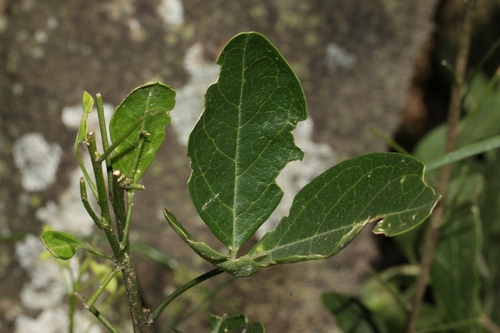
(c) Siddarth Machado, some rights reserved (CC BY), uploaded by Siddarth Machado
iNaturalist· cc-by
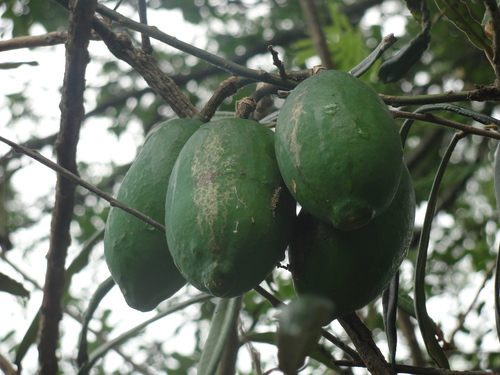
(c) Siddarth Machado, some rights reserved (CC BY), uploaded by Siddarth Machado
iNaturalist· cc-by
(c) Siddarth Machado, some rights reserved (CC BY), uploaded by Siddarth Machado
Description
An erect shrub in the Capparaceae family found in tropical scrub forests.
This description is brief — help expand it
Edible Uses
The buds are used for flavouring. Raw unripe fruit are cut into thin sections, salted, dried in the sun, and made into pickles or fried in sesame seed oil as a side dish with porridge. Ripe fruit are eaten raw.
Traditional Uses
The buds are used for flavouring. The raw unripe fruit are cut into thin sections and salted and dried in the sun and made into pickles or fried in sesame seed oil. It is eaten as a side dish with porridge. The ripe fruit are eaten raw.
Distribution
It is a tropical plant. It grows in scrub forest.
Where It Grows
Asia, India,
Production
In India plants fruit January to June.
Notes
There are about 250 Capparis species. There are about 50 Capparis species in tropical America.
Synonyms
Also Known As
Lepura, Maradasoppu, Niphura
References (7)
- Ambasta S.P. (Ed.), 2000, The Useful Plants of India. CSIR India. p 102
- Brown, D., 2002, The Royal Horticultural Society encyclopedia of Herbs and their uses. DK Books. p 153
- Dobriyal, M. J. R. & Dobriyal, R., 2014, Non Wood Forest Produce an Option for Ethnic Food and Nutritional Security in India. Int. J. of Usuf. Mngt. 15(1):17-37
- Misra S. & Misra M., 2016, Ethnobotanical and Nutritional Evaluation of Some Edible Fruit Plants of Southern Odisha, India. International Journal of Advances in Agricultural Science and Technology, Vol.3 Issue.1, March- 2016, pg. 1-30
- Misra, S., 2020, Survey of edible plants for human consumption in south Odisha, India. Journal of Emerging Technologies and Innovative Research (JETIR) Vol. 7, Issue 12 p 278
Show all 7 references Hide references
- Narayanan Ratheesh, M. K. et al, 2011, Wild edible plants used by the Kattunaikka, Paniya and Kuruma tribes of Wayanad District, Kerala, India. Journal of Medicinal Plants Research Vol. 5(15), pp. 3520-3529
- Tamil herbs, 2007, Edible Plants of the Tropical Dry Evergreen Forest.