Belosynapsis moluccana
(Roxb.) C. E. C. Fisch.
gbif· cc-by
Royal Botanic Gardens, Kew
gbif· cc-by
Royal Botanic Gardens, Kew
gbif· cc-by
Royal Botanic Gardens, Kew
Description
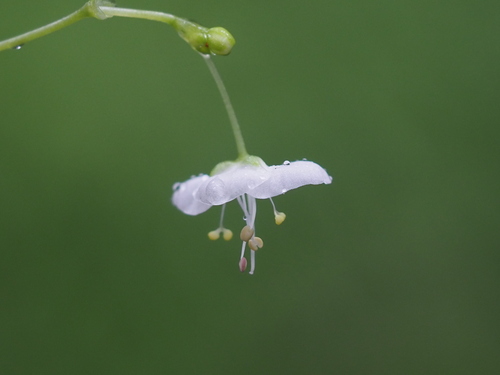
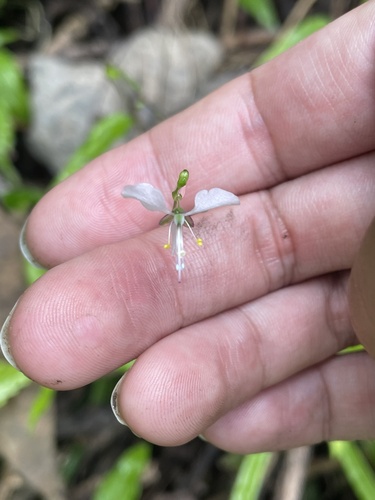
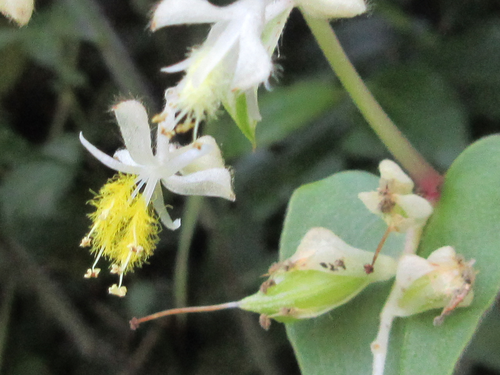
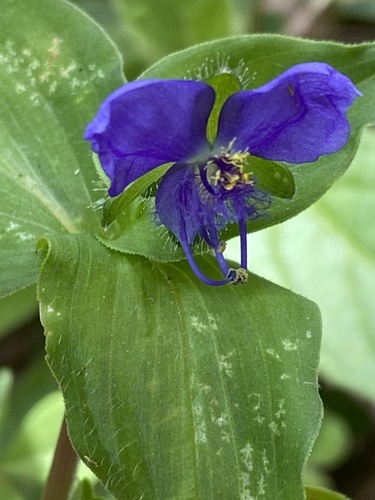
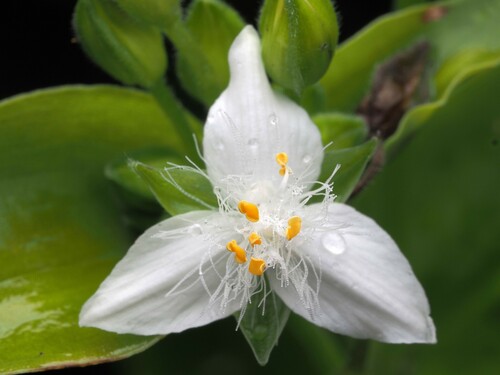
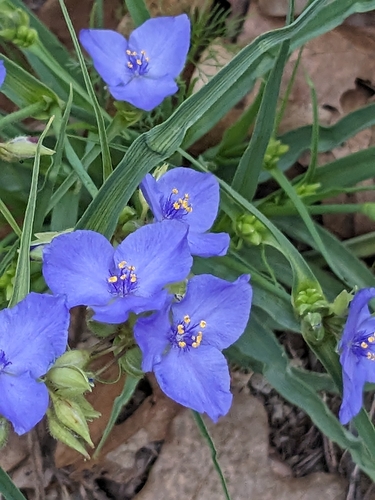
A herb. It branches near the base and spreads. The branches are 45 cm long. They form roots at the nodes. The leaves on the main stem are 12-30 cm long by 1-2 cm wide. The leaves on the branches are smaller. The leaves are narrow and have small hairs near the base. The flower panicles are at the tips. There re 4-10 flowers in a group. The petals are blue or purple. The fruit is a capsule 4-5 mm long by 2-3 mm wide and 3 lobed. There are 2 seeds in each section. The seeds are 3 sided and have pits.
Edible Uses
The leaves are eaten.
Distribution
A tropical plant. It grows in grassland. In Papua New Guinea it grows from sea level to 2,400 m above sea level.
Where It Grows
Asia, India, Indonesia, Pacific, Papua New Guinea, PNG, Philippines, SE Asia,
Synonyms
References (3)
- Arora, R. K., 2014, Diversity in Underutilized Plant Species- An Asia-Pacific Perspective. Bioversity International. p 37
- Bourke, R. M., Altitudinal limits of 230 economic crop species in Papua New Guinea. Terra australis 32. (As Cyanotis moluccana)
- World Checklist of Useful Plant Species 2020. Royal Botanic Gardens, Kew (As Cyanotis moluccana)