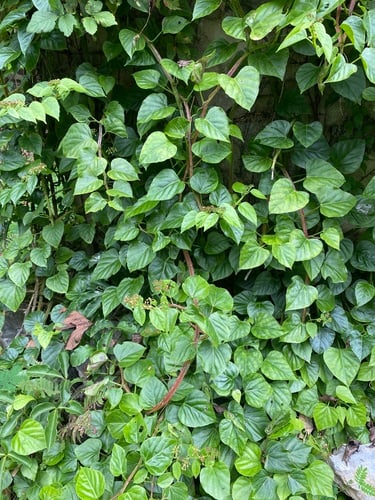
Vitis martini
hort
Tao wan kon
gbif· cc-by-nc-sa
MBG
gbif· cc-by-nc-sa
MBG
gbif· cc-by-nc-sa
MBG
Description
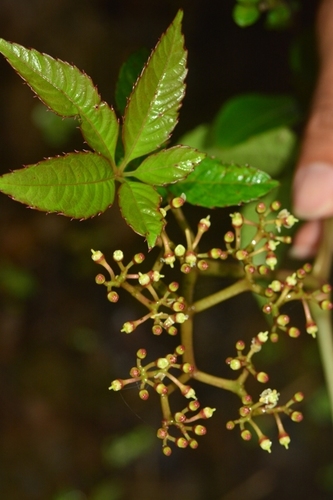
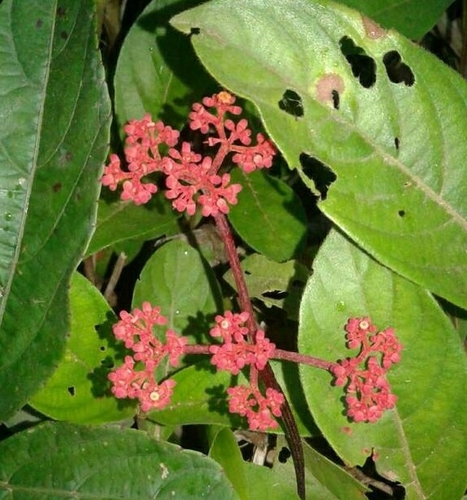
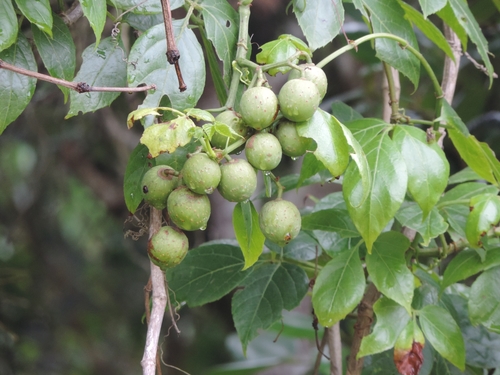
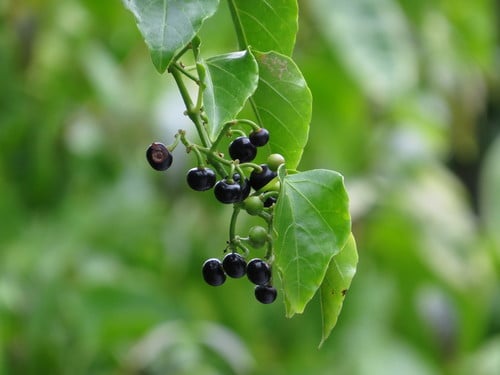
A vine. It has a tuberous root. The fruit are small black grapes. They occur in large bunches.
This description is brief — help expand it
Edible Uses
The fruit is eaten, including, in Cambodia, unripe with salt. In the community forest of Khok Bung Preu (northeast Thailand), the wild fruit are one of a number of non-timber forest products gathered by the local people, mainly for sale, with no limit on quantities harvested. The rhizome extracts of Ampelocissus martini included secondary metabolites, specifically flavonoids and phenolics, that function as effective reducing agents and stabilizers during the manufacture of zinc oxide nanoparticles.
Traditional Uses
The fruit are used for wine and vinegar. The wine is poor and acid. The fruit are eaten unripe with salt. The fruit are sweet but contain raphides leaving a stinging taste,
Distribution
A tropical plant.
Where It Grows
Asia, Indochina, Indonesia, Pacific, Philippines, SE Asia, Thailand,
Dangerous Lookalikes
This plant can be confused with the following toxic species. Always verify identification carefully before consuming any wild plant.
Canadian Moonseed
Menispermum canadense
Cbaile19
Tao wan kon
Vitis martini
MBG
Canadian Moonseed: No tendrils, single crescent/moon-shaped seed, leaf stem attaches to underside of leaf.
Tao wan kon: Vine with tendrils, round seeds, leaf stem at edge of leaf, bark that peels.
Synonyms
References (2)
- Burkill, I.H., 1966, A Dictionary of the Economic Products of the Malay Peninsula. Ministry of Agriculture and Cooperatives, Kuala Lumpur, Malaysia. Vol 2 (I-Z) p 2286
- Heyne, K., 1927, p 1007