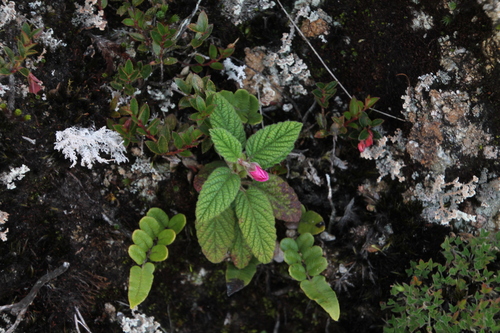
Rubus sorbifolius
Maxim.
iNaturalist· cc-by-nc
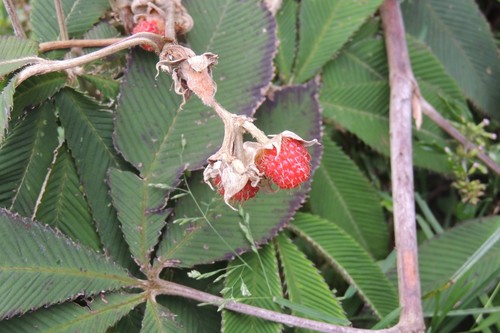
(c) Pat Enright, some rights reserved (CC BY-NC)
iNaturalist· cc-by-nc
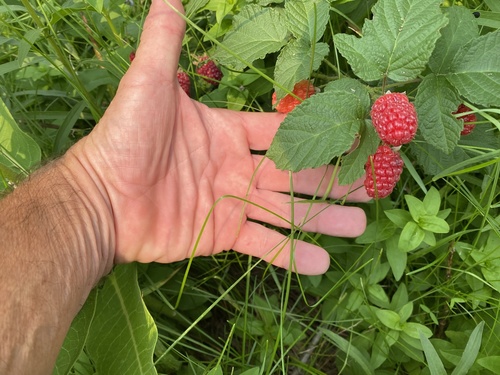
(c) Pat Enright, some rights reserved (CC BY-NC)
iNaturalist· cc-by-nc
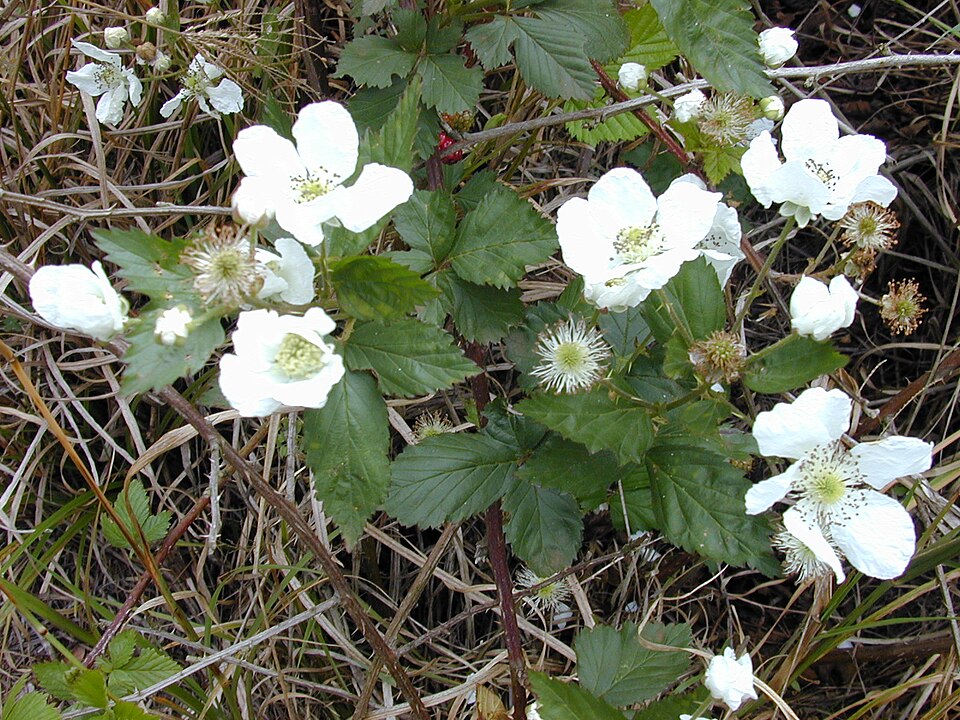
(c) Pat Enright, some rights reserved (CC BY-NC)
Description
A tropical member of the Rosaceae family resembling a raspberry, bearing elongated fruit that are orange or red.
This description is brief — help expand it
Edible Uses
The fruit are eaten.
Distribution
A tropical plant.
Where It Grows
Asia, Indochina, Malaysia, SE Asia, Vietnam,
Dangerous Lookalikes
This plant can be confused with the following toxic species. Always verify identification carefully before consuming any wild plant.
Red Baneberry
Actaea rubra
Walter Siegmund (talk)
Rubus sorbifolius
Rubus sorbifolius
(c) Pat Enright, some rights reserved (CC BY-NC)
Red Baneberry: Short herbaceous plant (no thorns), berries on thick red stems, each berry has a single seed, compound sharply-toothed leaves.
Rubus sorbifolius: Thorny woody canes (brambles), aggregate berry made of many drupelets, berries pull easily from receptacle.
Synonyms
Also Known As
Dum nhon, Long on, Tum khon
References (1)
- Burkill, I.H., 1966, A Dictionary of the Economic Products of the Malay Peninsula. Ministry of Agriculture and Cooperatives, Kuala Lumpur, Malaysia. Vol 2 (I-Z) p 1953