Beilschmiedia bancroftii
(Bailey) C. White
Yellow walnut
iNaturalist· cc-by-nc
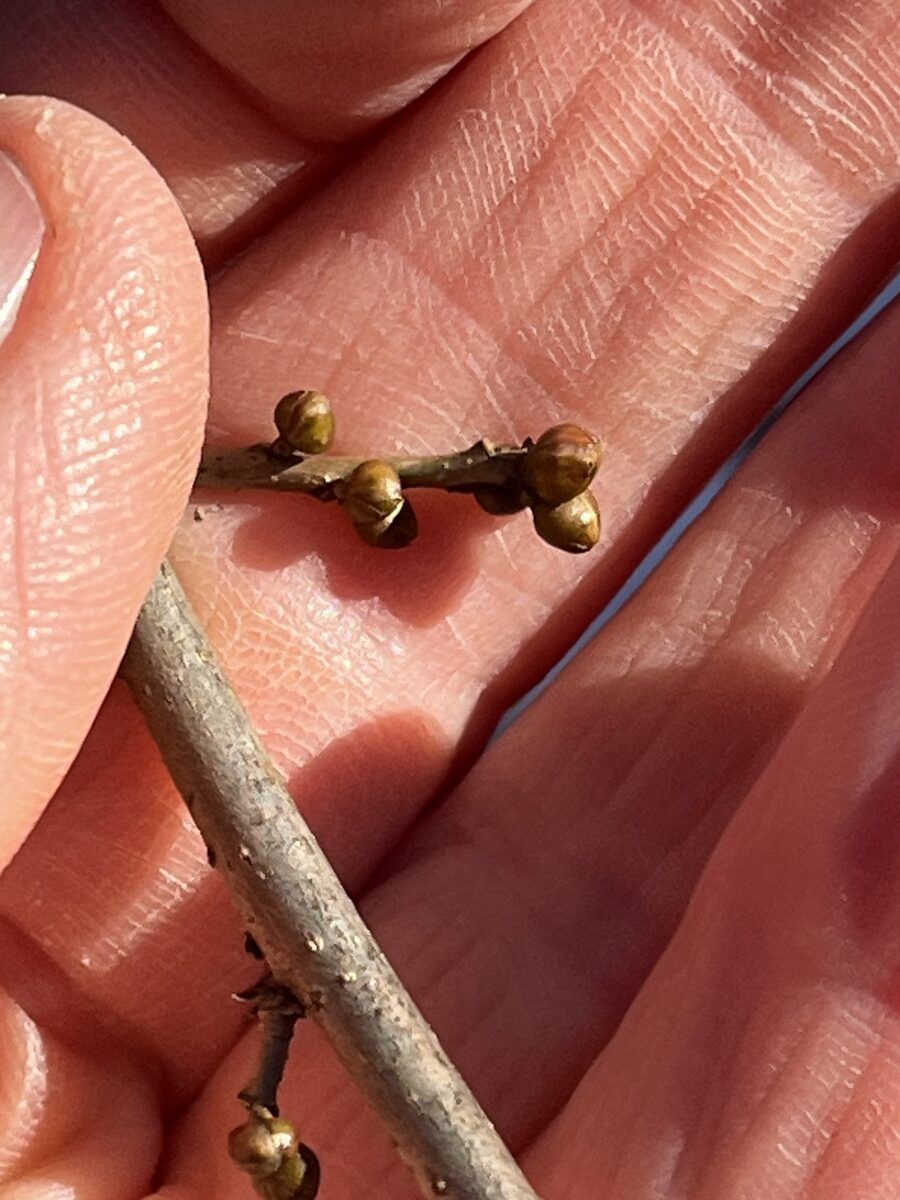
(c) Rachel Reese, some rights reserved (CC BY-NC), uploaded by Rachel Reese
iNaturalist· cc-by-nc
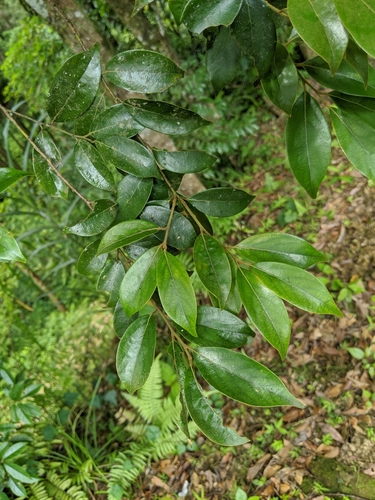
(c) Graham Bell, some rights reserved (CC BY-NC), uploaded by Graham Bell
iNaturalist· cc-by-nc
(c) Rene, some rights reserved (CC BY-NC), uploaded by Rene
Summary
Source: WikipediaBeilschmiedia bancroftii is a tree species in the family Lauraceae. It is native to Queensland in Australia. Common names include yellow walnut, yellow nut and canary ash. The species was first formally described by Queensland colonial botanist Frederick Manson Bailey in 1891, based on plant material collected on the Johnstone River and "other scrubs of tropical Queensland". It was initially named Cryptocarya bancroftii, but later transferred to the genus Beilschmiedia in 1918 by Cyril Tenison White. Though the seeds are toxic when fresh, they were used by indigenous Australians following treatment.
Description
A tree up to 30 m tall. It spreads 5-15 m wide. The bark is brown and rough. The leaves are simple and 7-16 cm long by 3-5 cm across. Young leaves have small hairs underneath. The flowers are 0.5-0.6 cm across. They grow in clusters 10 cm long at the ends of branches. The fruit are 7.5 cm long by 6 cm wide. They hang singly or in bunches. The colour varies from green to orange of brown. There is one seed inside. The seed is 4 cm across.
Edible Uses
The seed was traditionally eaten after thorough processing, including baking between wet leaves, peeling, cooking in coals, and washing in running water. The fruit and kernels are also edible.
Traditional Uses
The seed was eaten after thorough and prolonged processing. This includes baking between wet leaves then peeling, grinding, cooking in the coals, then washing in running water.
Known Hazards
The fresh seeds are poisonous.
Distribution
A tropical plant. It suits tropical and subtropical locations. It grows in the wet tropics. It grows naturally in rainforest in Queensland, Australia. It grows from sea level to 1300 m altitude.
Where It Grows
Australia*, New Zealand,
Cultivation
It can be grown from seed. Seed needs to be sown fresh.
Other Uses
A useful structural and decorative timber.
Production
Trees are fast growing.
Notes
There are about 100-250 Beilschmeidia species. They are in the tropics.
Synonyms
Also Known As
Canary ash
References (11)
- Cherikoff V. & Isaacs, J., The Bush Food Handbook. How to gather, grow, process and cook Australian Wild Foods. Ti Tree Press, Australia p 198
- Cooper W & Cooper W T, 1994, Fruits of the Rain Forest. RD Press p 52
- Cooper, W. and Cooper, W., 2004, Fruits of the Australian Tropical Rainforest. Nokomis Editions, Victoria, Australia. p 242
- Elliot, W.R., & Jones, D.L., 1982, Encyclopedia of Australian Plants suitable for cultivation. Vol 2. Lothian. p 315
- Hill, R. and Baird, A., 2003, Kuku-Yalanji Rainforest Aboriginal People and Carbohydrate Resource Management in the Wet Tropics of Queensland, Australia. Human Ecology, Vol. 31, No. 1. pp 27-52
Show all 11 references Hide references
- Jackes, B.R., 2001, Plants of the Tropics. Rainforest to Heath. An Identification Guide. James Cook University. p 58
- Lazarides, M. & Hince, B., 1993, Handbook of Economic Plants of Australia, CSIRO. p 32
- Menninger, E.A., 1977, Edible Nuts of the World. Horticultural Books. Florida p 10
- Price, S.H. & J.L., Wild Food, Medicine and useful plants of the Wet tropics. Kwik Kopy, Cairns. p 7
- Townsend, K., 1994, Across the Top. Gardening with Australian Plants in the tropics. Society for Growing Australian Plants, Townsville Branch Inc. p 98
- Wickens, G.E., 1995, Edible Nuts. FAO Non-wood forest products. FAO, Rome. p 137
More from Lauraceae
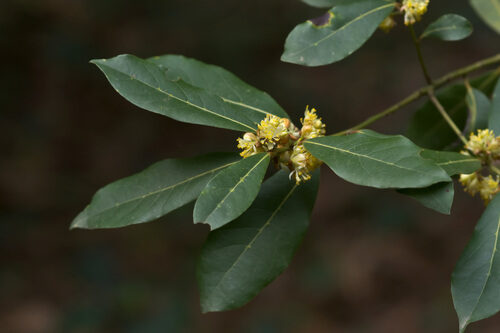
Laurus nobilis
Bay Tree, Sweet bay, Grecian Laurel, True Laurel
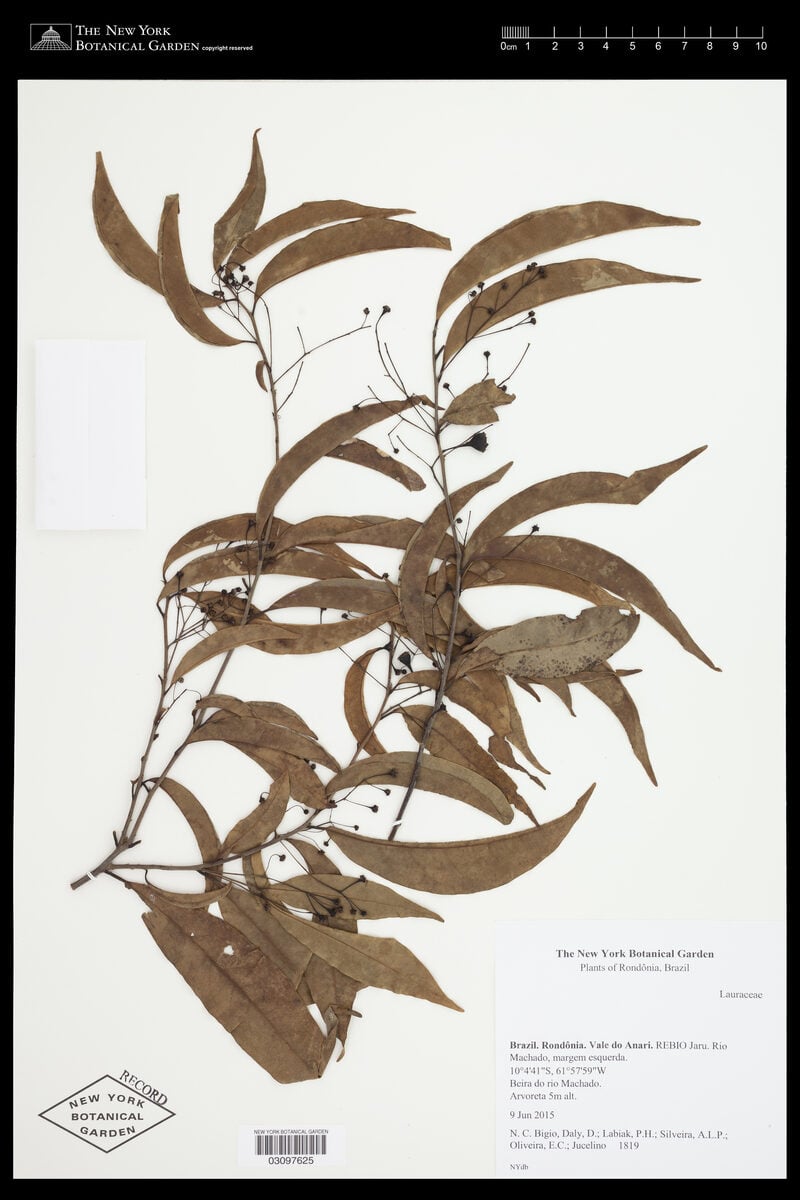
Licaria armeniaca
Apricot colour licaria
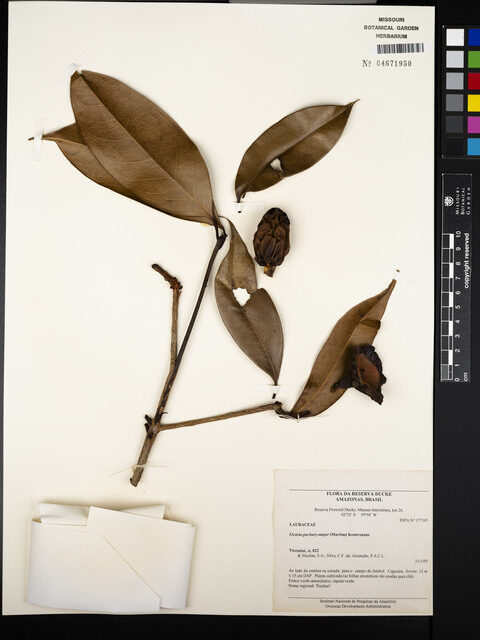
Licaria puchury-major
Amazon licaria
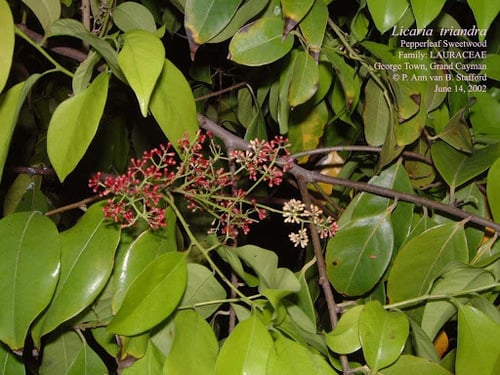
Licaria triandra
Florida licaria, Gulf licaria
Lindera benzoin - (L.)Blume.
Spice Bush, Northern spicebush, Bush Northern Spice
Lindera communis
Ta-hsiang-yieh-tzu-shu