Decaspermum fruticosum
Forst.
Shrubby decaspermum, Tailor tree, Polynesian myrtle
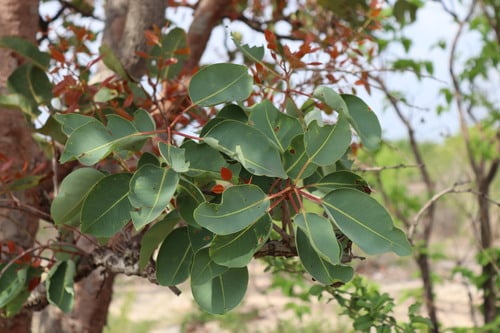
iNaturalist· cc-by-nc
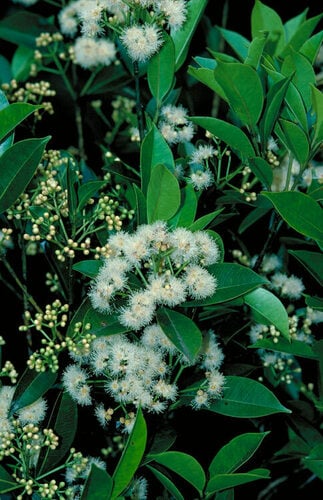
(c) c_certeza, some rights reserved (CC BY-NC)
iNaturalist· cc-by-nc
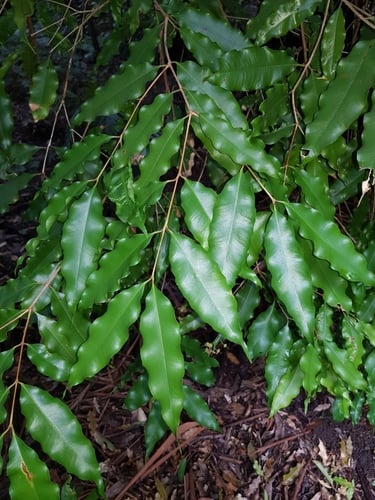
(c) js671, some rights reserved (CC BY-NC)
iNaturalist· cc-by-nc
(c) js671, some rights reserved (CC BY-NC)
Summary
Source: WikipediaDecaspermum fruticosum is a species of flowering plant in the myrtle family, Myrtaceae. It is a tree or shrub native to the Samoan Islands, Society Islands, Tonga, and Wallis and Futuna.
Description
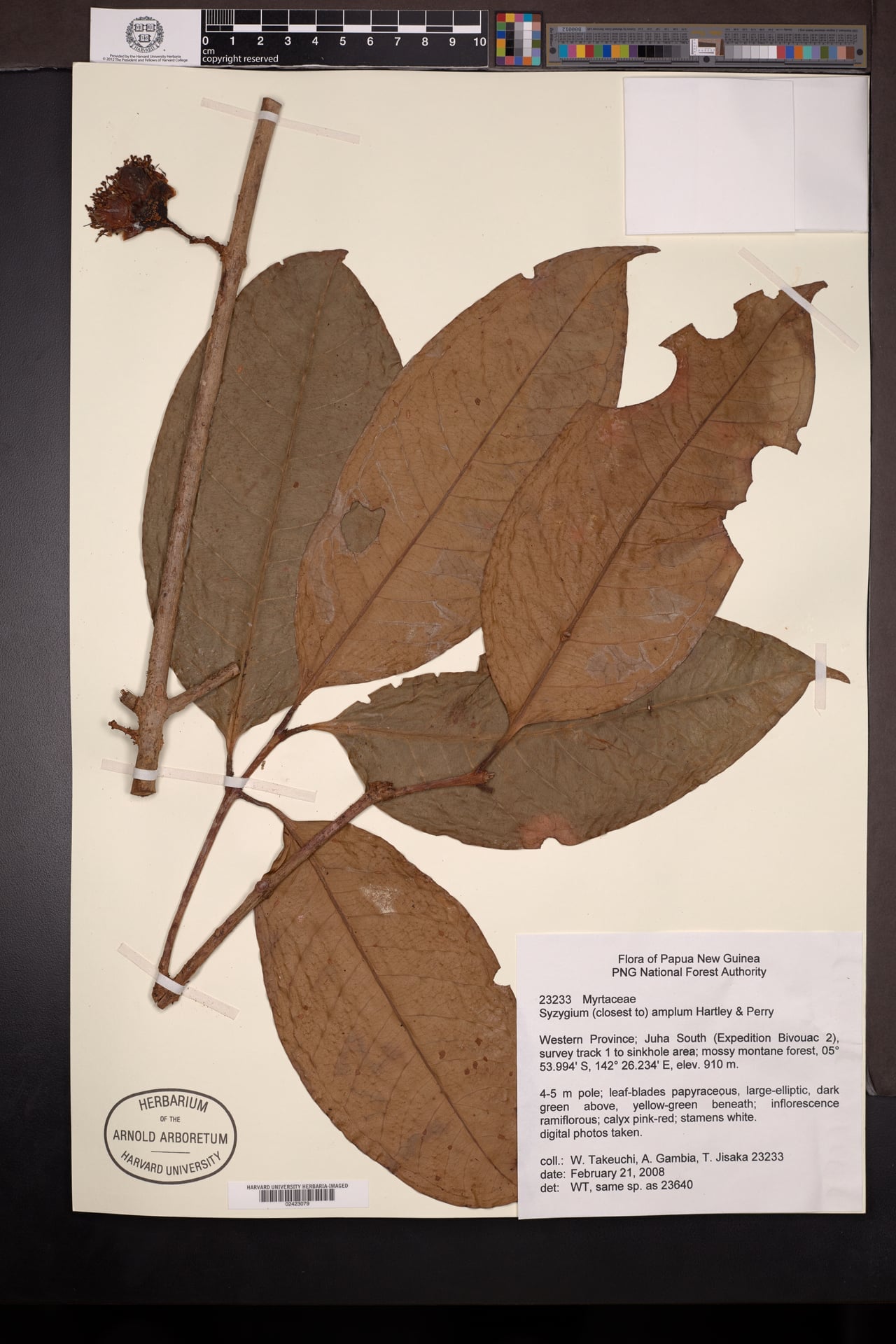
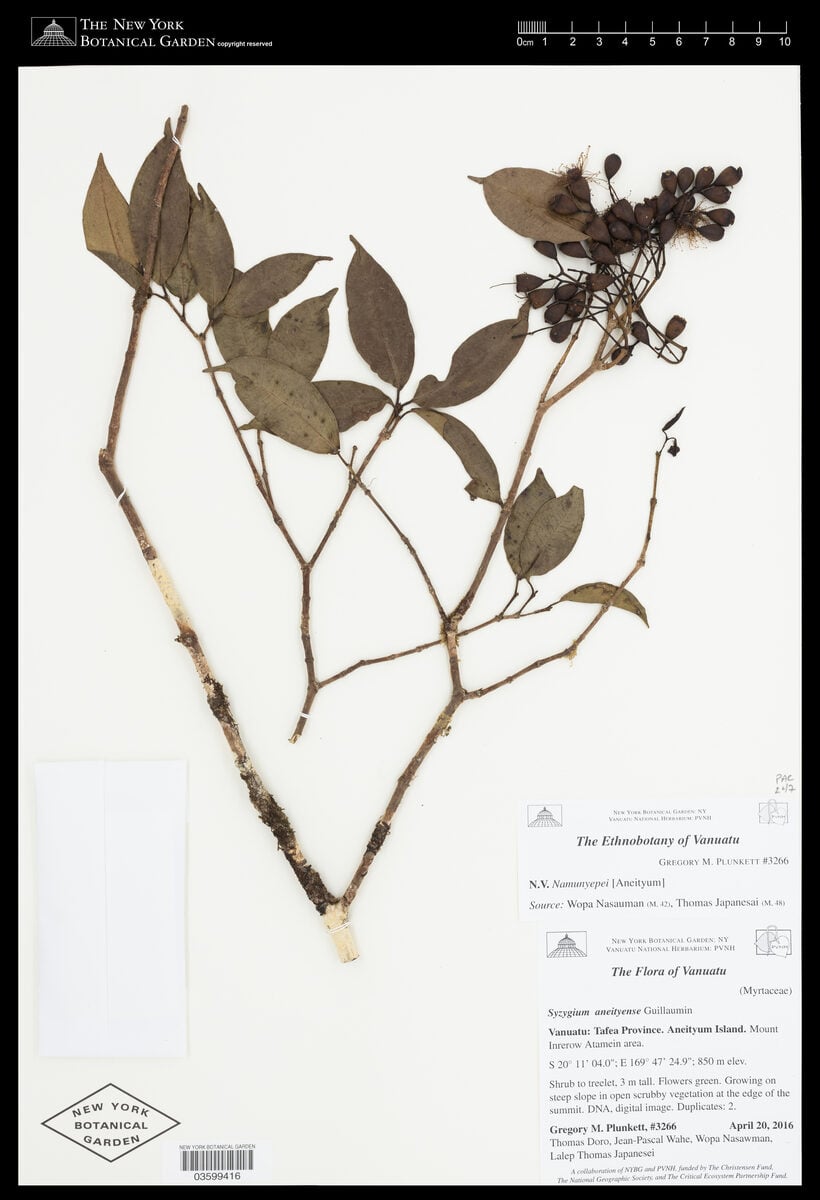
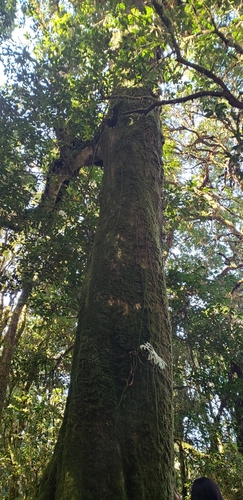
A shrub or slender tree. It can grow 14 m high but is often 2.5 m high. The stems are flattened and hairy. The leaves are simple and opposite. The leaf blade is narrowly oval and 1-4 cm long. They are rounded at the base and have dots over the surface. The leaf stalk is 1-3 mm long. The flowers can be at the ends of branches or in the axils of leaves. Mostly they occur singly but can be in groups of 3. The flowers are pink. The fruit is small and flattened. It is 4-6 mm across and has several seeds. The fruit are black.
Edible Uses
Young shoots are eaten as a seasoning. Black berries are eaten.
Traditional Uses
The young shoots are eaten as a seasoning. CAUTION: In large amounts they cause constipation. The black berries are eaten.
This uses section is brief — help expand it
Known Hazards
In large amounts the young shoots cause constipation.
Distribution
A tropical plant. It mostly grows on the edges of forest. In Samoa it occurs between 100-650 m altitude. In Indonesia it grows up to 1,300 m above sea level.
Where It Grows
American Samoa, Asia, Australia, China, Fiji, India, Indochina, Indonesia, Laos, Malaysia, Micronesia, Myanmar, Pacific, Palau, Philippines, Samoa, SE Asia, Thailand, Tonga, Wallis & Futuna,
Cultivation
Plants can be grown by seeds.
Notes
There are about 30 Decaspermum species.
Synonyms
Also Known As
Copper wood tree, Dieng-la-phynia, Diengauro-la-pyrno, Ipis kulit, Jerak, Kayu demang, Kelentit kering, Kelentit nyamok, Kelentit padang, Ki tai, Lemuning batu, Mempoyan padang, Nu'anu'a, Padi-padi, Patalsik, Plawng ki kwai, Pohon kayu tembaga, Pokok salah nama, Tembagan, Tipit kulit
References (11)
- Ambasta, S.P. (Ed.), 2000, The Useful Plants of India. CSIR India. p 164
- Burkill, I.H., 1966, A Dictionary of the Economic Products of the Malay Peninsula. Ministry of Agriculture and Cooperatives, Kuala Lumpur, Malaysia. Vol 1 (A-H) p 785
- Franklin, J., Keppel, G., & Whistler, W., 2008, The vegetation and flora of Lakeba, Nayau and Aiwa Islands, Central Lau Group, Fiji. Micronesica 40(1/2): 169–225, 2008
- Milow, P., et al, 2013, Malaysian species of plants with edible fruits or seeds and their evaluation. International Journal of Fruit Science. 14:1, 1-27
- Monsalud, M.R., Tongacan, A.L., Lopez, F.R., & Lagrimas, M.Q., 1966, Edible Wild Plants in Philippine Forests. Philippine Journal of Science. p 509
Show all 11 references Hide references
- Ochse, J. J. et al, 1931, Vegetables of the Dutch East Indies. Asher reprint. p 530
- Parham, B. E. V., 1972, Plants of Samoa. New Zealand Department of Scientific and Industrial Research. Information Series. No. 85 p 92
- Seidemann J., 2005, World Spice Plants. Economic Usage, Botany, Taxonomy. Springer. p 134
- Sukarya, D. G., (Ed.) 2013, 3,500 Plant Species of the Botanic Gardens of Indonesia. LIPI p 224
- Whistler, W.A., 2004, Rainforest Trees of Samoa. Isle Botanica Honolulu, Hawaii. p 116
- World Checklist of Useful Plant Species 2020. Royal Botanic Gardens, Kew