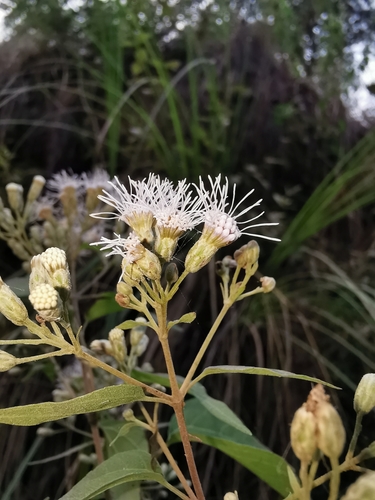
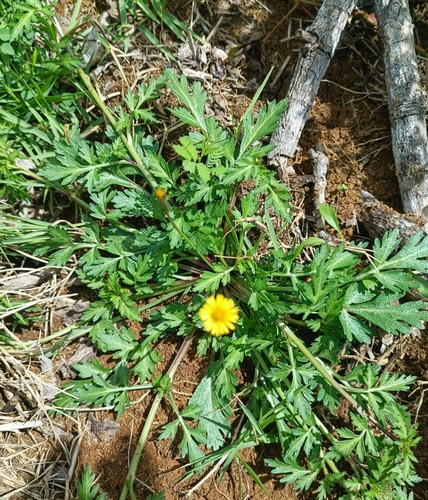
Cirsium wallichii
DC.
East Indian thistle, Wallich's thistle
iNaturalist· cc-by-nc
(c) Subhajit Das, some rights reserved (CC BY-NC), uploaded by Subhajit Das
iNaturalist· cc-by
(c) PRIYA RAUTELA, some rights reserved (CC BY)
Description
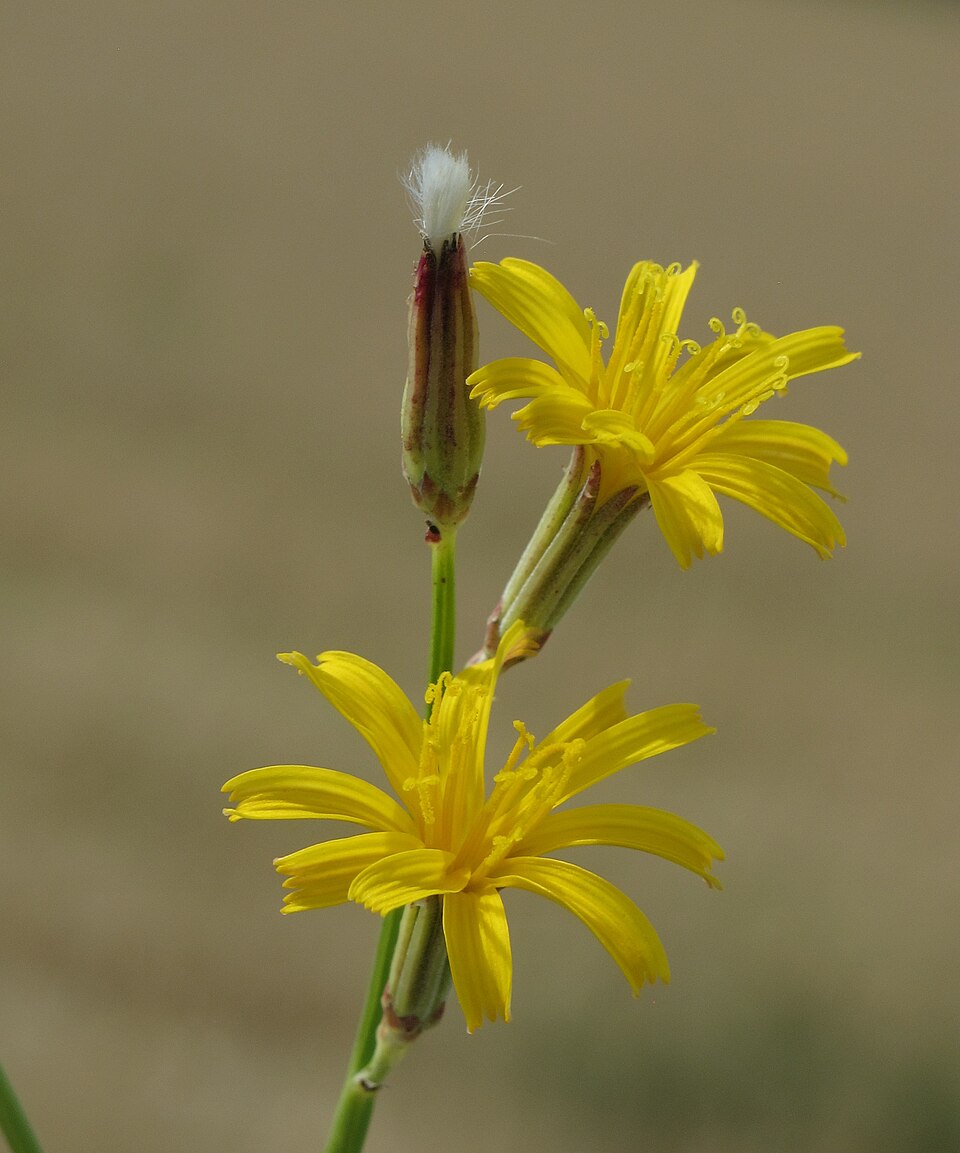
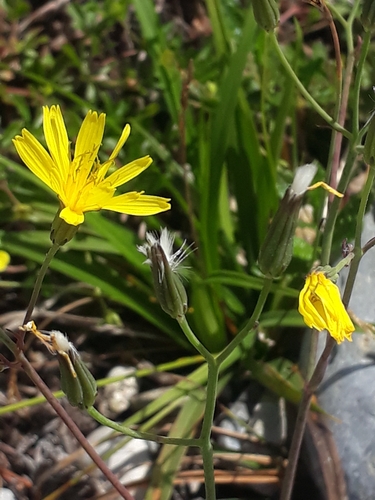
A spiny herb. It is a thistle. It is erect and robust. It grows 1-3 m high. It has spreading branches. The leaves are alternate and clasp the stem without leaf stalks. The flower heads are dull yellow. They can occur singly or in clusters. They are 2-4 cm across.
Edible Uses
The pith of the stem is eaten, and the tuberous roots are consumed raw after peeling or boiled as a vegetable. The fresh flowers are eaten by children.
Traditional Uses
The pith of the stem is eaten. The tuberous roots are eaten raw after peeling off the skin. They are also boiled as a vegetable.
This uses section is brief — help expand it
Distribution
It is a temperate plant. It grows in sub-Himalayan regions in India. It grows between 1500-3000 m altitude in Uttar Pradesh.
Where It Grows
Afghanistan, Asia, China, Himalayas, India, Nepal,
Other Information
The fresh flowers are eaten by children.
Notes
There are about 150-250 Cirsium species. They grow in temperate regions.
Synonyms
Also Known As
Bhruce, Bungsee, Bursa, Kandara, Kandayya, Kandelya, Sungur kande, Thakal kanta
References (7)
- Dangol, D. R. et al, 2017, Wild Edible Plants in Nepal. Proceedings of 2nd National Workshop on CUAOGR, 2017.
- Gautam, R. S., et al, 2022, Ethnobotanical Review of Wild Edible Plants of Nepal. Journal of Natural History Museum Volume 32, 2021-22 p 106
- Joshi, N., et al, 2007, Traditional neglected vegetables of Nepal: Their sustainable utilization for meeting human needs. Tropentag 2007. Conference on International Agricultural Research for Development.
- Malhotra, C.L.., et al, 1985, Additional Notes on the wild edible plants of India J. Econ. Tax. Bot. Vol 6. No.2 pp 481-482
- Negi, K.S., 1988, Some little known wild edible plants of U.P. Hills. J. Econ. Tax. Bot. Vol. 12 No. 2 pp 345-360
Show all 7 references Hide references
- Thakur, D., et al, 2017, Why they eat, what they eat: patterns of wild edible plants consumption in a tribal area of Western Himalaya. Journal of Ethnobiology and Ethnomedicine (2017) 13:70
- Wild edible plants of Himachal Pradesh