Arnica montana
L.
European montana
iNaturalist· cc-by-nc
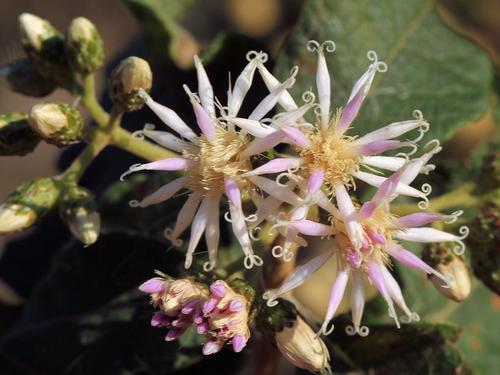
(c) Marion Zöller, some rights reserved (CC BY-NC), uploaded by Marion Zöller
iNaturalist· cc-by-nc
(c) Marion Zöller, some rights reserved (CC BY-NC), uploaded by Marion Zöller
iNaturalist· cc-by-nc
(c) Marion Zöller, some rights reserved (CC BY-NC), uploaded by Marion Zöller
Summary
Source: WikipediaArnica montana, also known as leopard's bane, mountain tobacco and mountain arnica, is a moderately toxic European flowering plant in the daisy family Asteraceae that has a large yellow flower head. The names "wolf's bane" and "leopard's bane" are also used for another plant, Aconitum, which is extremely poisonous. Arnica montana has been used as a herbal medicine, but there is insufficient clinical evidence for its therapeutic use, although studies show it helps with internal healing and preventing hematoma. It is toxic when taken internally or applied to injured skin.
Description
A hardy perennial herb growing to 0.3 m (1 ft) tall and 0.2 m (0 ft 8 in) wide. Flowers appear in July and are hermaphroditic, pollinated by bees, flies, and lepidopterans. The plant is self-fertile. It adapts to light sandy, medium loamy, and heavy clay soils with a preference for well-drained conditions and can thrive in poor soil. Tolerates very acidic to basic pH levels and grows in semi-shade to full sun, preferring moist soil. Hardy to UK zone 6.
Edible Uses
None known
Traditional Uses
The flowers are bitter and used to flavour liqueurs.
This uses section is brief — help expand it
Medicinal Uses
Antiecchymotic Antiphlogistic Antirheumatic Epilepsy Nervine Sternutatory Vulnerary Arnica has a long history of herbal use, especially as an external treatment for bruises and sprains - it is an ingredient of a number of proprietary preparations. Internally, it has been used in the treatment of heart complaints and as a booster for the immune system. Arnica increases local blood supply and accelerates healing, it is anti-inflammatory and increases the rate of absorption of internal bleeding. Generally the plant is nowadays only recommended for internal use as a homeopathic medicine, principally for treating shock, injury and pain. If used as a decoction or tincture it stimulates the circulation and is valuable in the treatment of angina and a weak or failing heart, but it can be toxic even at quite low doses and so is rarely used this way. The flowers are the part most commonly used, they are harvested when fully open and dried - the receptacles are sometimes removed since these are liable to be attacked by insects. The root is also used, it is harvested after the leaves have died down in the autumn and dried for later use. The whole plant is antiecchymotic, antiphlogistic, nervine, sternutatory, vulnerary. Although a very valuable remedy, it should be used with caution. It has been known to cause contact dermatitis when used externally and collapse when taken internally. Only take it internally under the supervision of a qualified practitioner. The freshly crushed flowers cause sneezing if inhaled. The leaves have also been smoked as a tobacco, though it is unclear whether this was for medicinal reasons The whole plant, harvested when in flower, is used in homeopathic remedies. It is especially useful in the treatment of traumatic injuries, sores and bruises. The homeopathic dose has also been used effectively in the treatment of epilepsy and seasickness, and it might be of use as a hair growth stimulant. The German Commission E Monographs, a therapeutic guide to herbal medicine, approve Arnica montana for fever and colds, inflammation of the skin, cough/bronchitis, inflammation of the mouth and pharynx, rheumatism, common cold, blunt injuries, tendency to infection (see for critics of commission E). The essential oil has to be diluted before being used externally .
Known Hazards
The US Food and Drug Administration has classified Arnica montana as an unsafe herb because of its toxicity. It should not be taken orally or applied to broken skin where absorption can occur. Arnica irritates mucous membranes and may elicit stomach pain, diarrhea, and vomiting. It may produce contact dermatitis when applied to skin. Arnica montana contains the toxin helenalin, which can be poisonous if large amounts of the plant are eaten or small amounts of concentrated Arnica are used. Consumption of A. montana can produce severe gastroenteritis, internal bleeding of the digestive tract, raised liver enzymes (which can indicate inflammation of the liver), nervousness, accelerated heart rate, muscular weakness, and death if enough is ingested. Contact with the plant can also cause skin irritation. In the Ames test, an extract of A. montana was found to be mutagenic.
Distribution
It is a temperate plant.
Where It Grows
Alps, Andorra, Asia, Austria, Belgium, Europe, France, Germany, Indonesia, Lithuania, Luxembourg, SE Asia, Slovenia, Spain, Switzerland,
Cultivation
Prefers a moist, well-drained humus rich soil, preferably lime-free. One report says that it is often found in calcareous soils in the wild. Tolerates a pH in the range 5.8 to 7.6. Prefers a mixture of sand, loam and peat. Prefers a position in full sun. Succeeds in light woodland and in a rock garden or border. Plants are hardy to about -25°c. This species is declining in the wild, probably because of over-collection as a medicinal herb. It may become extinct in part of its range.
Propagation
Seed - best sown as soon as it is ripe in pots outdoors. Sow stored seed in early spring in a cold frame. A period of cold stratification is helpful. The fresh seed can germinate in 3 - 4 weeks at 13°c according to one report, though it can be slow, difficult and erratic and take 2 years to germinate. Prick out the seedlings into individual pots when they are large enough to handle and plant them out into their permanent positions in the following spring. Division in spring.
Other Uses
None known Special Uses
Synonyms
Also Known As
Arnica, Mountain arnica, Navadna arnika
References (5)
- Abbet, C., et al, 2014, Ethnobotanical survey on wild alpine food plants in Lower and Central Valais (Switzerland). Journal of Ethnopharmacology 151 (2014) 624–634
- Christanell, A., et al, 2010, The Cultural Significance of Wild Gathered Plant Species in Kartitsch (Eastern Tyrol, Austria) and the Influence of Socioeconomic Changes on Local Gathering Practices. Chapter 3 in Ethnobotany in the New Europe. Berghahn Books.
- INFOODSUpdatedFGU-list.xls
- Schunko, C., et al, 2012, Intracultural variation of knowledge about wild plant uses in the Biosphere Reserve Grosses Walsertal (Austria). Journal or Ethnobiology and Ethnomedicine, 8:23
- Seidemann J., 2005, World Spice Plants. Economic Usage, Botany, Taxonomy. Springer. p 51