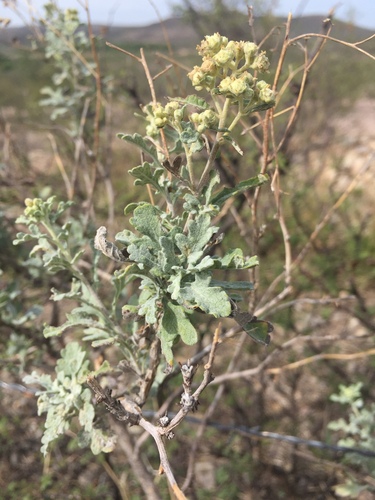
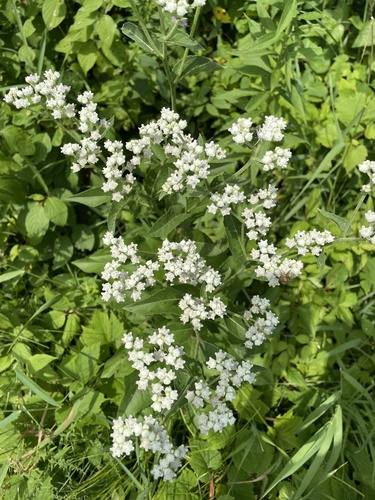
Argyranthemum foeniculaceum
(Willd.) Webb. ex Sch. Bip.
Tenerife daisy
iNaturalist· cc-by-nc
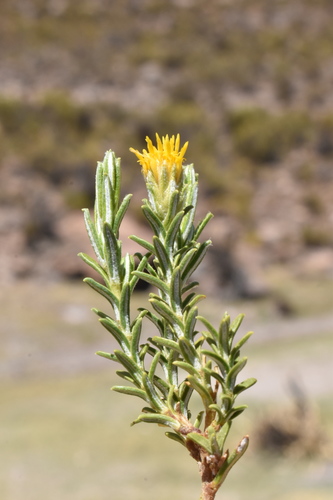
(c) Chris Kneupper, some rights reserved (CC BY-NC), uploaded by Chris Kneupper
iNaturalist· cc-by-nc-nd
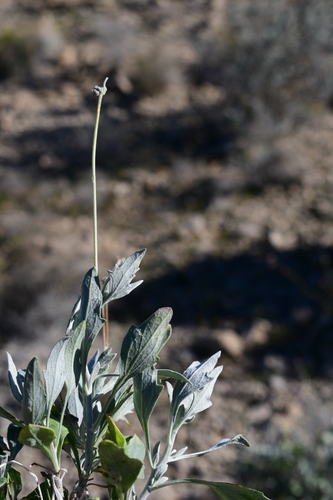
(c) Carlos SM, some rights reserved (CC BY-NC-ND)
iNaturalist· cc-by-nc
(c) abcdefgewing, some rights reserved (CC BY-NC), uploaded by abcdefgewing
Summary
Source: WikipediaArgyranthemum foeniculaceum, called the Canary Island marguerite, is native to the Canary Islands, (part of Spain). It is widely cultivated as an ornamental and naturalized in California and Australia.
Description
An evergreen shrub. It is like an ox eye daisy. It grows 90 cm tall. The leaves are blue-green.
This description is brief — help expand it
Edible Uses
Edible Parts: Leaves Edible Uses: Leaves. No further details are given.
Medicinal Uses
None known
Distribution
It is a temperate plant. They are only slightly frost hardy. They suit a temperate climate. It grows naturally on the inland basalt cliffs of Tenerife.
Where It Grows
Australia, Canary Islands, Europe, Mediterranean, Spain,
Propagation
Seed - sow spring in a greenhouse and only just cover the seed. If the seed does not germinate within 4 weeks then chill it for 3 weeks at 2°c and return it to the greenhouse. When large enough to handle, prick the seedlings out into individual pots and plant them out in late spring or early summer, after the last expected frosts.
Other Uses
None known Special Uses
Notes
There are 22-24 Argyranthemum species. They are shrubs on Canary Islands and Madeira.
Synonyms
References (3)
- Hussey, B.M.J., Keighery, G.J., Cousens, R.D., Dodd, J., Lloyd, S.G., 1997, Western Weeds. A guide to the weeds of Western Australia. Plant Protection Society of Western Australia. p 90
- Marinelli, J. (Ed), 2004, Plant. DK. p 168
- Plants for a Future database, The Field, Penpol, Lostwithiel, Cornwall, PL22 0NG, UK. http://www.scs.leeds.ac.uk/pfaf/