Lycopodiella cernua
(L.) Pichi-Serm.
Tropical clubmoss
iNaturalist· cc-by-nc
(c) Martinho-Fiz López Lindoso, some rights reserved (CC BY-NC)
iNaturalist· cc-by-nc
(c) Martinho-Fiz López Lindoso, some rights reserved (CC BY-NC)
iNaturalist· cc-by-nc
(c) Martinho-Fiz López Lindoso, some rights reserved (CC BY-NC)
Description
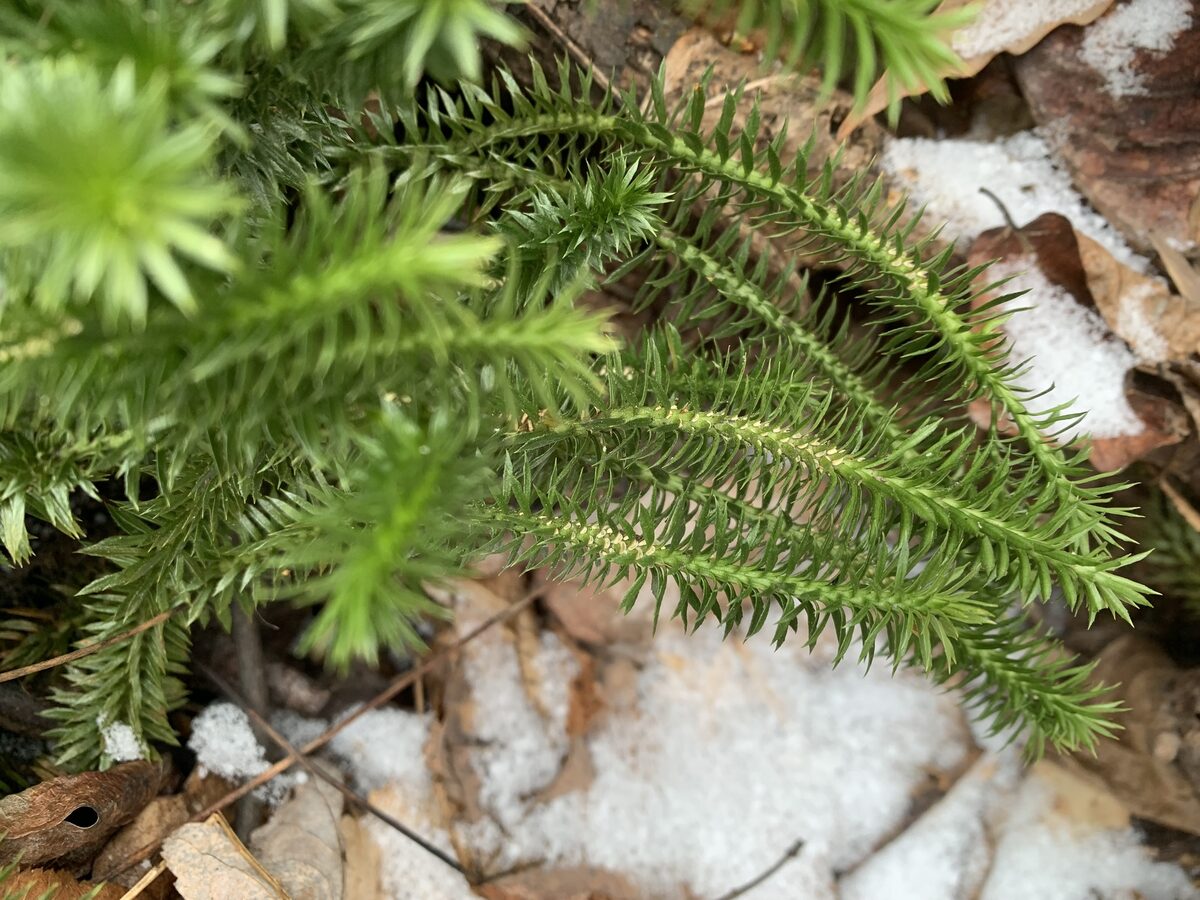
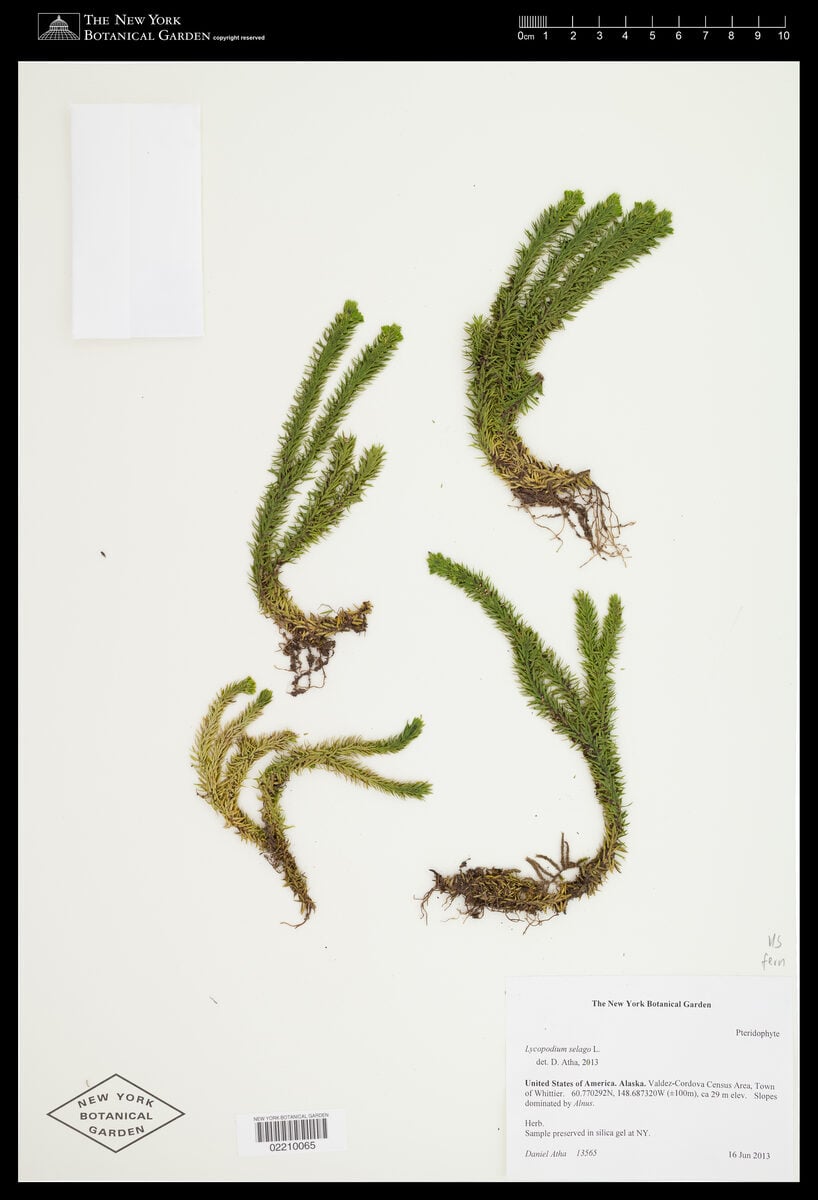
A fern. A plant which lies along the ground. It has long branching stems covered with small scale like leaves. The stem trailing along the ground forms root clusters. Side branches are erect. The branch tips turn down and have small cones which develop spores.
Edible Uses
The very young fronds and leaves are cooked and used as a vegetable. It is traditionally used as a famine food.
Traditional Uses
The very young parts are cooked and used as a vegetable.
This uses section is brief — help expand it
Medicinal Uses
With its wide range of distribution, the plant has acquired many different applications in traditional medicinal. Modern research has shown the presence of alkaloids, such as cernuine and lycocernuine, the flavonoids apigenin and apigenin-7-glucoside, the triterpene serratenediol and, as in many other Lycopodiaceae, a high concentration of aluminium (up to 12.5% of ash). Tests have shown that injection with a traditional Chinese medicine prepared from Lycopodiella cernua is effective against experimental silicosis, not only as a prophylactic but also to treat the disease. The whole plant is generally employed, usually in the form of a decoction when taken internally. It is said to be diuretic and tonic. It is used in the treatment of stomach ulcers, rheumatism, hepatitis and dysentery. Combined with Tristemma mauritianum, it is used to treat neuralgia and hypertension. Applied externally, the whole plant is crushed and applied as a dressing to wounds. A decoction is used as a lotion to treat beriberi, coughs and asthma, and in embrocations to treat skin eruptions, abscesses, bruises, burns and scalds. An embrocation of the ashes in vinegar is recommended for skin eruptions .
Distribution
A tropical plant. It grows in warmer countries. It grows near moist stream banks between 1,000-1,980 m above sea level. In Swaziland it grows in the high veld.
Where It Grows
Africa, American Samoa, Andaman Is., Angola, Argentina, Australia, Asia, Bangladesh, Belize, Benin, Bolivia, Brazil, Burundi, Cameroon, Central Africa, Central African Republic, CAR, Central America, China, Colombia, Comoros, Congo DR, Cook Is., Costa Rica, Cuba, Dominican Republic, East Africa, Ecuador, El Salvador, Equatorial Guinea, Eswatini, Ethiopia, Fiji, French Guiana, FSM, Gabon, Gambia, Ghana, Guatemala, Guianas, Guinea, Guinée, Guinea-Bissau, Guinée, Guyana, Haiti, Hawaii, Himalayas, Honduras, India, Indochina, Indonesia, Ivory Coast, Jamaica, Japan, Kenya, Korea, Kosrae, Laos, Lebanon, Liberia, Madagascar, Malawi, Malaysia, Mali, Marquesas, Mauritius, Mexico, Micronesia, Mozambique, Myanmar, Nepal, New Caledonia, New Zealand, Nicaragua, Nigeria, Norfolk Is., Northeastern India, Pacific, Palau, Panama, Papua New Guinea, PNG, Paraguay, Peru, Philippines, Pohnpei, Portugal, Puerto Rico, Rwanda, Reunion, Samoa, SE Asia, Senegal, Seychelles, Sicily, Sierra Leone, Sikkim, Solomon Islands, South Africa, Southern Africa, South America, Southern Africa, Sri Lanka, St Helena, St John, Sudan, Suriname, Swaziland, Syria, Taiwan, Tanzania, Thailand, Tibet, Togo, Tonga, Trinidad-Tobago, Uganda, Uruguay, USA, Vanuatu, Venezuela, Vietnam, Wallis and Futuna, West Africa, Yap, Zambia, Zimbabwe,
Cultivation
Plants grow from spores.
Propagation
Spores. Layering of growing tips.
Other Uses
The plant is used as a repellent against fleas and cockroaches. The dried plant is used to stuff cushions as a kapok substitute. The leaves are used to filter palm wine.
Other Information
It is a famine food.
Notes
There are 40 Lycopodium species.
Synonyms
Also Known As
Akuru eke, Kangrem, Nagbellii, Pakis kawat, Paku kawek, Paku serani, Paran, Rumput kenarus, Rumput serani, Sarang baganding, Simbar watu, Tentempelan, Wawae 'iole
References (11)
- Ambasta, S.P. (Ed.), 2000, The Useful Plants of India. CSIR India. p 342 (As Lycopodium cernum)
- Burkill, H. M., 1985, The useful plants of west tropical Africa, Vol. 5. Kew. (As Lycopodium cernum)
- Burkill, I.H., 1966, A Dictionary of the Economic Products of the Malay Peninsula. Ministry of Agriculture and Cooperatives, Kuala Lumpur, Malaysia. Vol 2 (I-Z) p 1400 (As Lycopodium cernum)
- Delang, C. O., 2007, Ecological Succession of Usable Plants in an Eleven-Year Fallow Cycle in North Lao P.D.R., Ethnobotany Research and Applications. Vol. 5:331-350 (As Lycopodium cernum)
- Kew Plants of the World Online
Show all 11 references Hide references
- Islam, M., 1983, Utilisation of Certain Ferns and Fern Allies in the North-Eastern Region, India. J.Econ. Tax. Bot. Vol.4.No.3 pp 861- (As Lycopodium cernum)
- Lamoureux, C.H., 1976, Trailside Plants of Hawaii's National Parks. Hawaii Natural History Association. p 6 (As Lycopodium cernum)
- Levitt, D., 1981, Plants and people. Aboriginal uses of plants on Groote Eylandt, Australian Institute of Aboriginal Studies, Canberra. (As Lycopodium cernum)
- Swaziland's Flora Database http://www.sntc.org.sz/flora (As Lycopodiella cernua)
- World Checklist of Useful Plant Species 2020. Royal Botanic Gardens, Kew
- Yang, R, et al, 2008, Content and distribution of flavonoids among 91 edible plant species. Asia Pac J Clin Nutr 2008;17(S1):275-279