Smithia conferta
Sm.
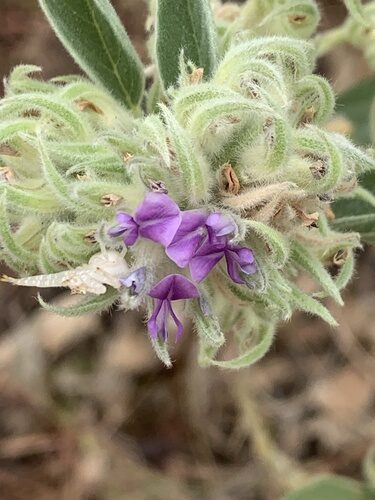
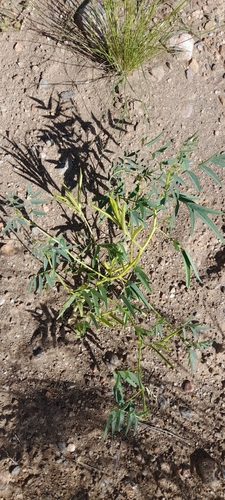
iNaturalist· cc0
no rights reserved, uploaded by S.MORE
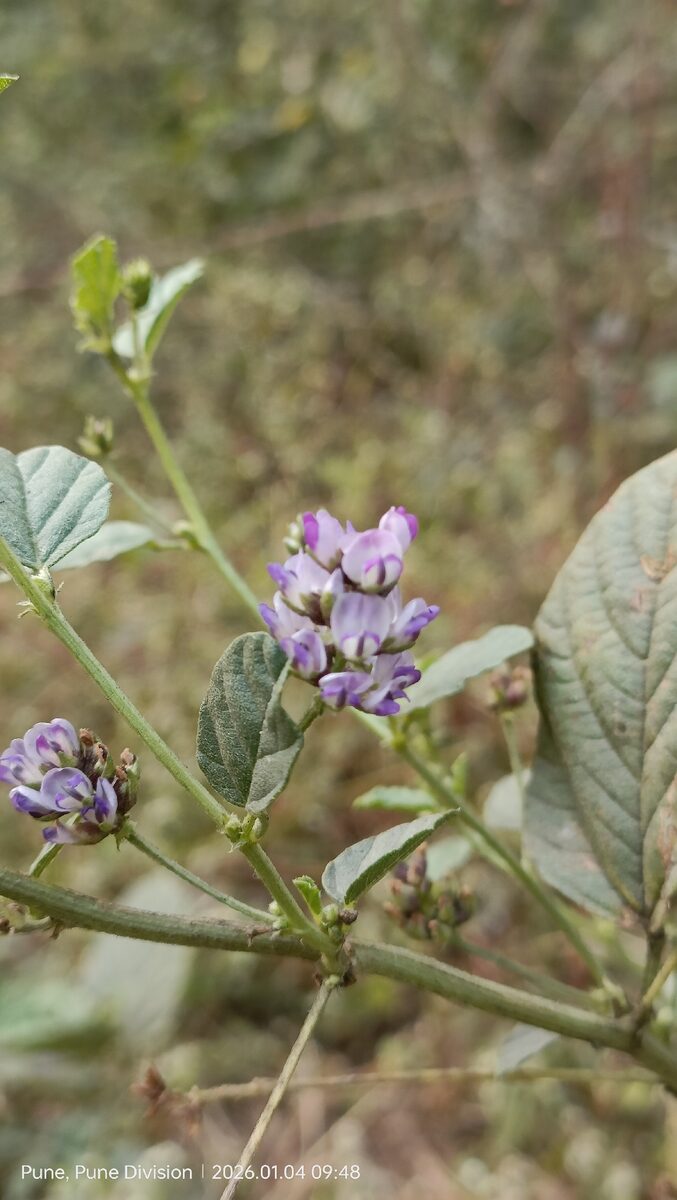
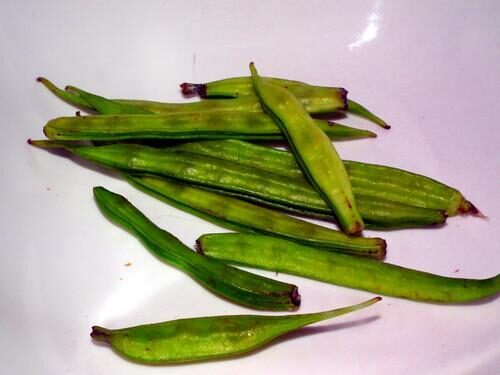
iNaturalist· cc-by-nc
(c) Shiwalee Samant, some rights reserved (CC BY-NC), uploaded by Shiwalee Samant
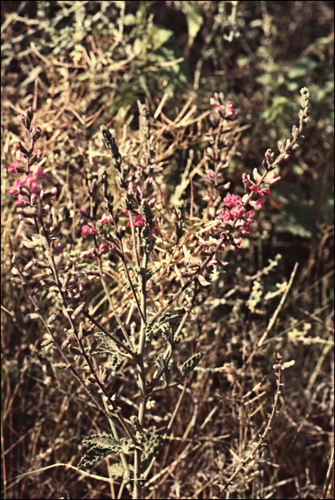
iNaturalist· cc-by-nc
(c) Radha Veach, some rights reserved (CC BY-NC), uploaded by Radha Veach
Summary
Source: WikipediaSmithia conferta is a species of herbaceous annual flowering plant in the family Fabaceae. Native occurrence ranges from South-east China and Indochina (with the exception of central Indochina) to India and North Australia.
Description
An annual herb. It grows 50-80 cm high. It is much branched. The leaves have leaflets along the stalk. These end abruptly. There are 2-8 pairs of leaflets. The flowers are yellow and 1 or 2 occur together. They are in the axils of the upper leaves.
Edible Uses
The leaves are cooked and eaten as a vegetable and are popular in traditional cuisine.
Traditional Uses
The leaves are cooked and used as a vegetable.
This uses section is brief — help expand it
Distribution
A tropical plant. It grows in grassy fields and on grassy slopes. In southern China it grows in sandy areas and mountain valleys between 200-400 m above sea level.
Where It Grows
Asia, Australia, China, Himalayas, India, Indonesia, Laos, Malaysia, Nepal, SE Asia, Sri Lanka, Vietnam,
Other Information
The leaves are popular.
Notes
There are about 30 Smithia species.
Nutrition
| Part | Moisture | kJ | kcal | Protein | Vit A | Vit C | Iron | Zinc |
|---|---|---|---|---|---|---|---|---|
| Shoots | — | — | 7.7 | — | — | — | — | — |
Synonyms
Also Known As
Barki, Boror ara, Elakanni, Loyongmasuria, Miet khit, Motha Kaula, Naichibha, Puimasuria, Thiruthali
References (7)
- Ambasta, S.P. (Ed.), 2000, The Useful Plants of India. CSIR India. p 578
- Dobriyal, M. J. R. & Dobriyal, R., 2014, Non Wood Forest Produce an Option for Ethnic Food and Nutritional Security in India. Int. J. of Usuf. Mngt. 15(1):17-37
- Gunjatkar, N., & Vartak, V.D., 1982, Enumeration of wild edible legumes from Pune District, Maharashtra State. J.Econ. Tax. Bot. Vol 3 pp 1-9
- Nilegaonkar, S., et al, 1985, Nutritional Evaluation of some wild food plants from the Pune and Nieghbouring districts, Maharashtra state: Part 1. J. Econ. Tax. Bot. Vol. 6 No. 3 pp 629-635
- Patil, M. V. & Patil, D. A., 2000, Some More Wild Edible Plants of Nasik District (Maharashtra). Ancient Science of Life Vol. X1X (3&4): 102-104
Show all 7 references Hide references
- A. Rees, Cycl. 33: Smithia no. 2. 1816
- Vartak, V.D. and Kulkarni, D.K., 1987, Monsoon wild leafy vegetables from hilly regions of Pune and neighbouring districts, Maharashtra state. J. Econ. Tax. Bot. Vol. 11 No. 2 pp 331-335