Acacia suaveolens
(Smith) Willd.
Sweet scented wattle
iNaturalist· cc-by-nc-sa
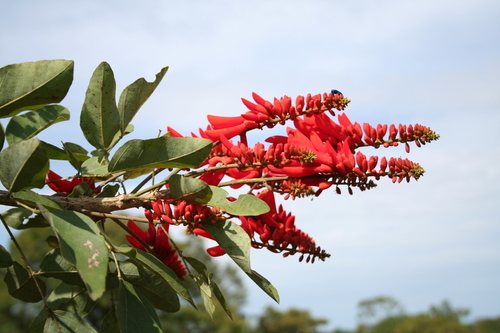
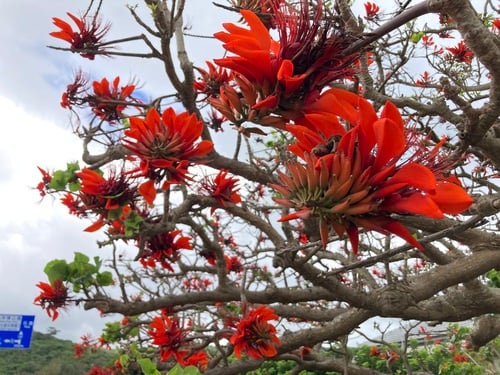
(c) Michael Keogh, some rights reserved (CC BY-NC-SA), uploaded by Michael Keogh
iNaturalist· cc-by-nc-sa
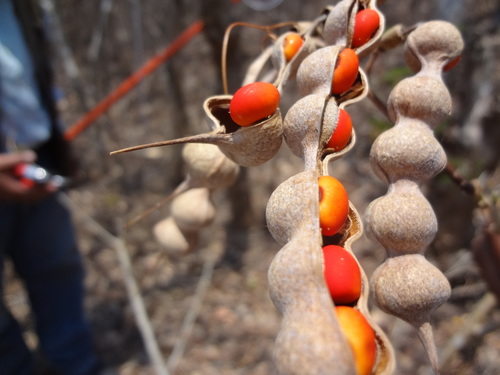
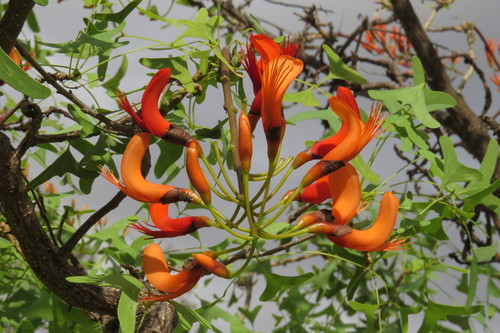
(c) Michael Keogh, some rights reserved (CC BY-NC-SA), uploaded by Michael Keogh
iNaturalist· cc-by-nc-sa
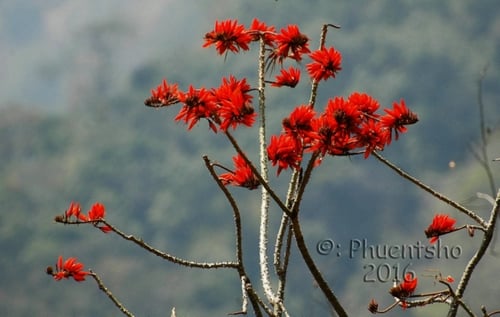
(c) Reiner Richter, some rights reserved (CC BY-NC-SA), uploaded by Reiner Richter
Summary
Source: WikipediaAcacia suaveolens (sweet wattle) is a shrub species endemic to Australia. It grows to between 0.3 and 3.5 metres high and has smooth purplish-brown or light green bark and has straight or slightly curving blue-green phyllodes The pale yellow to near white globular flower heads generally appear between April and September in its native range. These are followed by flattened, bluish oblong pods which are up to 2 to 5 cm long and 8 to 19 mm wide. The species was first formally described by English botanist James Edward Smith in 1791 in Transactions of the Linnean Society of London He described it with reference to a cultivated plant at Syon House which had been raised by Thomas Hoy from seed that originated from New South Wales. The species was transferred into the genus Acacia by Carl Ludwig Willdenow in 1806. The species occurs naturally on sandy soils in heathland and dry sclerophyll forest in South Australia and Victoria, Tasmania, New South Wales and Queensland.
Description
A shrub or small tree. It grows 5 m tall. There are prickles along the stem. The leaves are twice divided and there are 8-18 pairs of pinnae. There are up to 50 pairs of pinnules on each pinnae. The flowers are yellow. They are in large clusters at the ends of branches. The pods are flattened.
Edible Uses
The young seeds are steamed and eaten, either cooked in the pod then removed or shelled and cooked separately. The leaves are used fresh or dried as a tea.
Traditional Uses
The young seeds are steamed and eaten. The pods are not eaten, The seeds can be cooked in the pod then removed. The leaves have been used as tea. They can be used fresh or dried.
Known Hazards
None mentioned in available data.
Distribution
It is a warm temperate and subtropical plant. It occurs naturally in south eastern Australia. It prefers sandy soils. It does best in an open sunny position but can grow in light shade. It is drought and frost resistant. It grows well in coastal positions but cannot tolerate salt spray. It suits hardiness zones 9-11. Tasmania Herbarium. Arboretum Tasmania.
Where It Grows
Australia*, Tasmania*,
Cultivation
It is grown from seed. The seed need treatment to break the hard seed coat. Normally this is by putting the seeds in very hot water and letting the water cool down overnight then planting the seeds immediately. It can be pruned after flowering. It can be grown from cuttings.
Notes
There are about 1,350 Acacia species. Over 1,000 occur in Australia. Also as Mimosaceae.
References (23)
- Bircher, A. G. & Bircher, W. H., 2000, Encyclopedia of Fruit Trees and Edible Flowering Plants in Egypt and the Subtropics. AUC Press. p 5
- Bodkin, F., 1991, Encyclopedia Botanica. Cornstalk publishing, p 34
- Caton, J.M. & Hardwick, R. J., 2016, Field Guide to Useful Native Plants from Temperate Australia. Harbour Publishing House. p 60
- Cherikoff V. & Isaacs, J., The Bush Food Handbook. How to gather, grow, process and cook Australian Wild Foods. Ti Tree Press, Australia p 44
- Collier, P., 1993, Woodland Wild flowers of Tasmania. Plant Identikit. Society for growing Australian Plants Tasmania Region. Hobart. p 43
Show all 23 references Hide references
- Cronin, L., 1989, The Concise Australian Flora. Reed. p 48
- Cundall, P., (ed.), 2004, Gardening Australia: flora: the gardener's bible. ABC Books. p 79
- Curtis, W.M., 1956, The Students Flora of Tasmania Vol 1 p 124
- Elliot, W.R., & Jones, D.L., 1982, Encyclopedia of Australian Plants suitable for cultivation. Vol 2. Lothian. p 119
- Facciola, S., 1998, Cornucopia 2: a Source Book of Edible Plants. Kampong Publications, p 151
- Greig, D., 1996, Flowering Natives for Home Gardens. Angus & Robertson. p 40
- Grieg, D., 2002, A photographic guide to Wildflowers of South-eastern Australia. New Holland. p 68
- Hardwick, R.J., 2000, Nature's Larder. A Field Guide to the Native Food Plants of the NSW South Coast. Homosapien Books. p 75
- Haslam, S., 2004, Noosa's Native Plants. Noosa Integrated Catchment Assn. Inc. p 45
- Hedrick, U.P., 1919, (Ed.), Sturtevant's edible plants of the world. p 21
- Lord, E.E., & Willis, J.H., 1999, Shrubs and Trees for Australian gardens. Lothian. p 42
- Low, T., 1991, Wild Food Plants of Australia. Australian Nature FieldGuide, Angus & Robertson. p 41
- Low, T., 1992, Bush Tucker. Australia’s Wild Food Harvest. Angus & Robertson. p 34
- Sp. pl. 4(2):1050. 1806
- Tasmanian Herbarium Vascular Plants list p 39
- Whiting, J. et al, 2004, Tasmania's Natural Flora. Tasmania's Natural Flora Editorial Committee PO Box 194, Ulverstone, Tasmania, Australia 7315 p 215
- Williams, K.A.W., 1999, Native Plants of Queensland Volume 4. Keith A.W. Williams North Ipswich, Australia. p 36
- Woolmore, E et al, 2002, King Island Flora: A Field Guide. p 58