Alternanthera pungens
H. B. Kunth
Khaki weed, Paper thorns, Creeping chaffweed
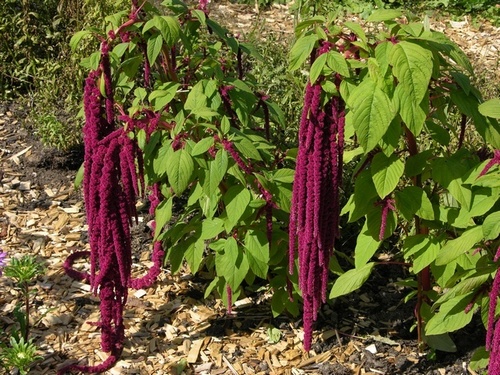
iNaturalist· cc0
no rights reserved, uploaded by Daniel Das
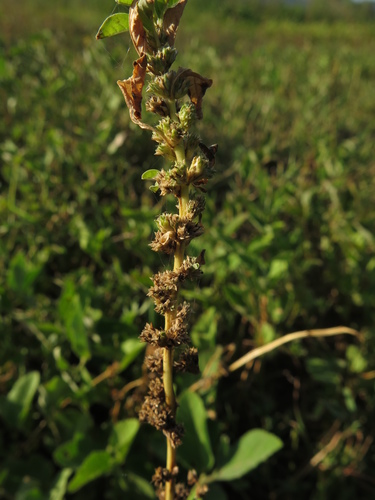
iNaturalist· cc-by-nc
(c) evertstrydom, some rights reserved (CC BY-NC)
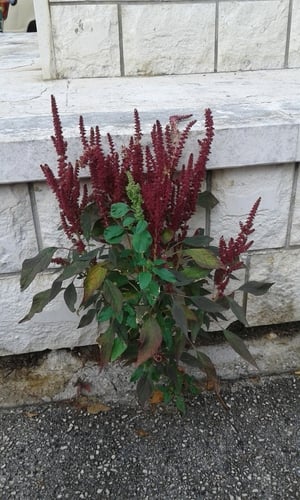
iNaturalist· cc-by-nc
(c) Bart Wursten, some rights reserved (CC BY-NC), uploaded by Bart Wursten
Summary
Source: WikipediaAlternanthera pungens is a creeping, prostrate perennial pioneer plant of the family Amaranthaceae, spreading by seed and vegetatively, with roots often developing at the nodes of spreading stems. A plant of roadsides, path verges and waste places (ruderal), it is thought to have come from Central and South America, and to have become widely established in Australia and Southern Africa. Other species of this genus, e.g. Alternanthera sessilis (L.) R.Br. ex DC., have long been recorded from Tropical Africa, and would be difficult to prove as invaders. The species forms dense mats of stems and leaves during the rainy season. During the dry season or in drought, material above ground dies off and the dormant plant is sustained by its fleshy taproot. Clusters of small white flowers form in the leaf axils. The small, khaki-coloured, prickly, papery fruits are stemless, form in the leaf axils and are spread by stock, vehicles and in stock feed. The shiny seeds are brownish, compressed, lenticular and about 1.5 mm across. The species was illustrated as far back as 1732 by Johann Jacob Dillenius in his Hortus Elthamensis, vol. 1, and described as "Achyracantha repens foliis Bliti pallidi", and again in 1836 by Jean-Christophe Heyland (1792-1866) in Histoire naturelle des Iles Canaries, vol. 2(3): p. 193, t. 199 (1836). Kew currently lists 139 species in the genus Alternanthera.
Description
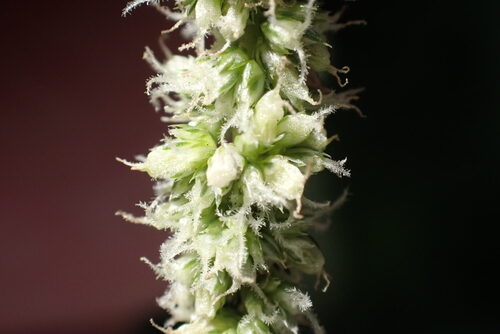
A herb. It can grow as an annual or continue growing from year to year. It lies along the ground. It grows from 1-10 cm high. It can form mats. The flowers are white.
Edible Uses
The leaves and stems are eaten as a vegetable. It is used as a famine food.
Medicinal Uses
The plant is diuretic. A decoction is used internally to treat gonorrhoea.
Known Hazards
A weed of pastures, the plant is suspected of causing the deaths of pigs and digestive disturbances and dermatitis of cattle.
Distribution
A tropical plant. It grows on a range of soils. It can be near creek banks and roadsides. It can grow in tropical and warm temperate places. It grows from sea level to 2,000 m above sea level. It can grow in arid places.
Where It Grows
Africa, Angola, Argentina, Asia, Australia, Benin, Bhutan, Bolivia, Botswana, Brazil, Burkina Faso, Cameroon, Central Africa, Central America, China, Colombia, Congo, Côte d'Ivoire, Cuba, Dominican Republic, East Africa, Egypt, Eswatini, Ethiopia, Europe, Gabon, Ghana, Greater Antilles, Guinea, Guinée, Haiti, Hawaii, Himalayas, India, Indochina, Indonesia, Israel, Italy, Ivory Coast, Jamaica, Jordan, Kenya, Laos, Lesotho, Malawi, Mediterranean, Middle East, Mozambique, Myanmar, Namibia, Nigeria, North Africa, Pakistan, Paraguay, Puerto Rico, Rwanda, Sao Tome and Principe, Saudi Arabia, SE Asia, Senegal, Somalia, South Africa, Southern Africa, South America, Spain, Sri Lanka, Sudan, Swaziland, Tanzania, Thailand, Togo, Uganda, Uruguay, Vietnam, West Africa, West Indies, Yemen, Zambia, Zimbabwe,
Cultivation
The plant has escaped from cultivation and become a weed in many areas. It colonises bare ground and disturbed areas usually forming a dense mat, particularly around houses, lawns, camp sites, stockyards or overgrazed areas. It is known to invade native pastures and out-compete more desirable species - its large taproot makes control difficult. Burrs carrying the seeds are spread when they become attached to clothing, footwear, swags, tyres, machinery and animals. Water will also spread the burrs short distances and some spread has been recorded by the movement of fodder. Populations can expand by means of roots forming at the nodes and by fragmentation.
Other Information
It is a famine food.
Notes
There are 200 Alternanthera species.
Synonyms
Also Known As
Aguape miry, Ashpa-quishca, Carrapichinho, Den nhon, E-su, Gandhimul, Kosangui, Lluta lluta, Monyaki-nyoi, Periquito-de-espinho, Poaya, Quiscua yuy, Quishca yuyo, Rau chieu, Yerba del pajarito, Yerba del pollo
References (17)
- Ambasta S.P. (Ed.), 2000, The Useful Plants of India. CSIR India. p 32
- Bonou, A., et al, 2013, Valeur economique des Produits Forestiers Non Ligneux (PFNL) au Benin. Editions Universitaires Europeennes p 95
- Checklist of NT Vascular Plant Species. January 2003.
- Fowler, D. G., 2007, Zambian Plants: Their Vernacular Names and Uses. Kew. p 75
- Malezas Comestibles del Cono Sur, INTA, 2009, Buernos Aires
Show all 17 references Hide references
- Ogle, B. M., et al, 2003, Food, Feed or Medicine: The Multiple Functions of Edible Wild Plants in Vietnam. Economic Botany 57(1): 103-117 (As Alternanthera repens)
- Paczkowska, G. & Chapman, A.R., 2000, The Western Australian Flora. A Descriptive Catalogue. Western Australian Herbarium. p 136
- Plants of Haiti Smithsonian Institute http://botany.si.edu
- Ramachandran, V.S. and Nair, V.J., 1981, Ethnobotanical studies in Cannanore District, Kerala State (India). J Econ. Tax. Bot. Vol 2 pp 65-72
- Ramachandran, V. S., 2007, Wild edible plants of the Anamalais, Coimbatore district, western Ghats, Tamil Nadu. Indian Journal or Traditional Knowledge. 6(1) pp 173-176
- Raponda-Walker, A & Sillans, R., 1961, Les Plantes Utiles du Gabon. Editions Paul Lechevalier, Paris. p 48 (As Alternanthera repens)
- Ruiters-Welcome, A. K., 2019, Food plants of southern Africa. Ph.D. thesis. Univ. of Johannesburg p 10
- Royal Botanic Gardens, Kew (1999). Survey of Economic Plants for Arid and Semi-Arid Lands (SEPASAL) database. Published on the Internet; http://www.rbgkew.org.uk/ceb/sepasal/internet [Accessed 24th March 2011]
- Swaziland's Flora Database http://www.sntc.org.sz/flora
- F. W. H. A. von Humboldt et al., Nov. gen. sp. 2:165[folio]; 2:206[quarto]. 1818
- Welcome, A. K. & Van Wyk, B.-E., 2019, An inventory and analysis of the food plants of southern Africa. South African Journal of Botany 122 (2019) 136–179
- www.eFloras.org Flora of China