Potentilla fulgens
Wall.
iNaturalist· cc-by-nc
(c) 刘光裕 Liu Guangyu, some rights reserved (CC BY-NC), uploaded by 刘光裕 Liu Guangyu
wikimedia· cc-by-sa
Wikimedia Commons
wikimedia· cc-by-sa
Wikimedia Commons - Kurt Stüber [1]
Description
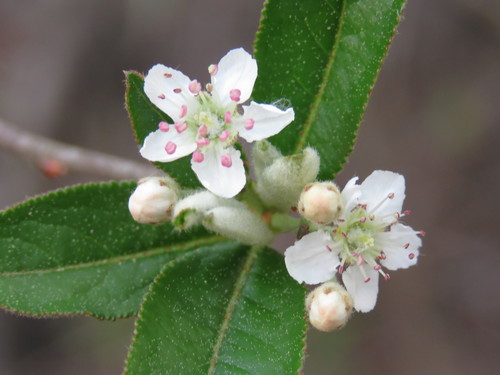
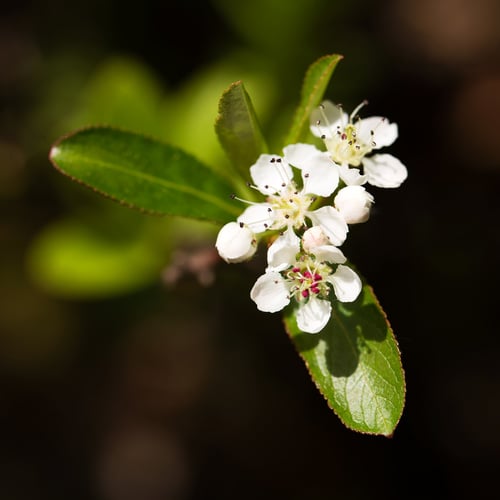
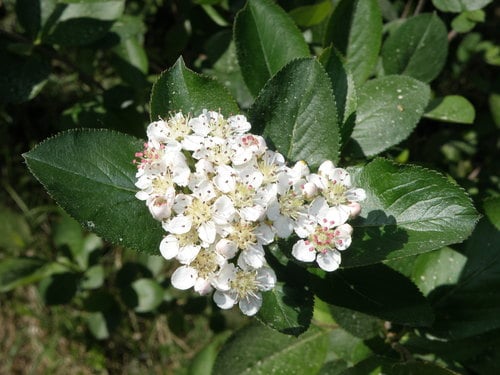
A herb. It is erect and keeps growing from year to year. It grows 15-75 cm tall. It has a thick rootstock. The leaves are compound and divided into leaflets along the stalk. The roots near the ground are 4-30 cm long and have 5-13 pairs of leaflets. The leaves on the stems are white underneath. The flowers are yellow. They are 1-2 cm across. They are in crowded groups at the end of the plant.
Edible Uses
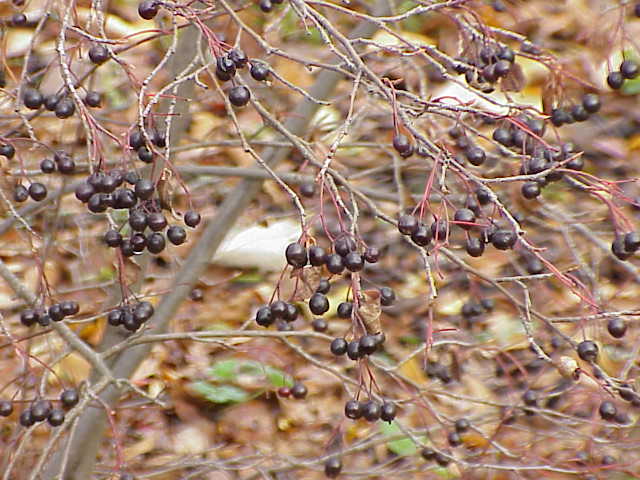
The roots are eaten together with areca nuts and betel pepper leaves, and the ripe fruit are also consumed.
Traditional Uses
The roots are eaten along with areca nuts and betel pepper leaves. The ripe fruit are eaten.
This uses section is brief — help expand it
Medicinal Uses
It is used in medicine.
Distribution
It is a subtropical plant. In the Indian Himalayas it grows between 2,300-3,000 m above sea level.
Where It Grows
Asia, Bhutan, China, Himalayas, India, Myanmar, Nepal, Northeastern India, SE Asia, Tibet,
Cultivation
It can be grown by seed and by underground parts.
Notes
It is used in medicine.
Also Known As
Bajradanti, Banmula, Buitara, Lyngiangbru
References (3)
- Ambasta, S.P. (Ed.), 2000, The Useful Plants of India. CSIR India. p 487
- Radha, B., et al, 2013, Wild Edible Plant Resources of the Lohba Range of Kedarnath Forest Division (KFD), Garhwal Himalaya, India. Int. Res J. Biological Sci. Vol. 2 (11), 65-73
- Rao, R.R. & Neogi, B., 1980, Observation on the Ethnobotany of the Khasi and Garo tribes in Meghalaya (India). J. Econ. Tax. Bot. Vol. 1 pp 157-162