Crataegus chlorocarpa
Lenne & C. Koch.
Altai hawthorn
iNaturalist· cc-by-nc
(c) Ринат Султанов, some rights reserved (CC BY-NC), uploaded by Ринат Султанов
iNaturalist· cc-by-nc
(c) mmerlopich, some rights reserved (CC BY-NC)
Description
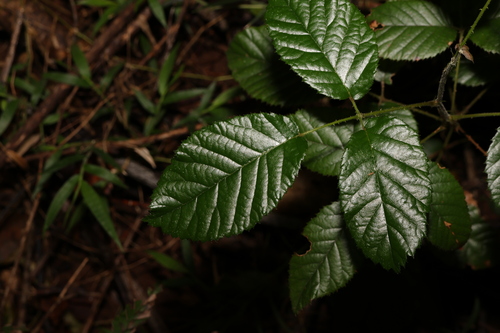
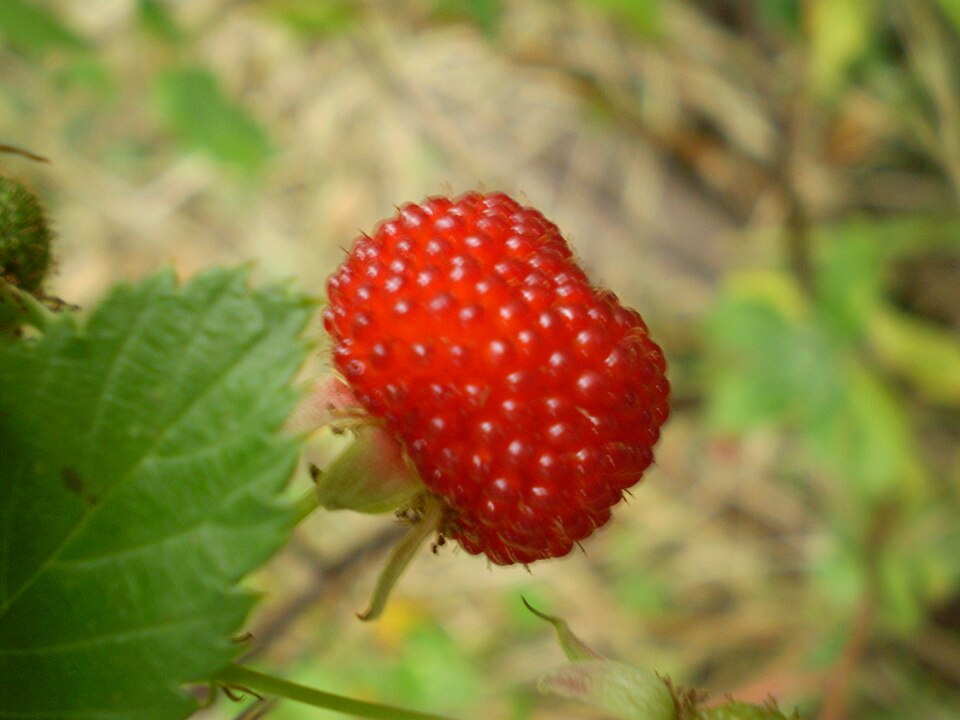
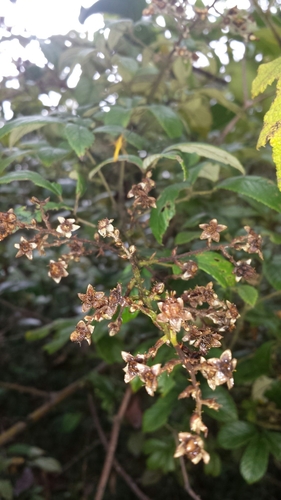
A shrub or small tree. It grows 5-6 m tall. There can be several stems. There are a few straight spines. These can be up to 2 cm long. Young shoots have bark that is smooth and red-brown but it turns grey with age. The leaves are oval or triangle shaped. They are light green. They are 4-10 cm long by 3-9 cm wide. There are 7-9 lobes and fine teeth around the edge. The flower groups are 8-9 cm across. There are 27-35 flowers. The flowers are white and 13-16 mm across. The fruit are small and round. They are yellow or orange and 8-12 cm across. The flesh is sweet. There are 4-5 stones.
Edible Uses
The fruits are used fresh in jams, jellies, and pies, and are also dried and ground or dried and brewed as tea.
Traditional Uses
Fruit are used in jam, jelly, and for pies. They are also dried and ground. They are dried and used for tea drinks.
This uses section is brief — help expand it
Distribution
It is a temperate plant. It grows on the edges of gorges as an understory plant in forests. It grows well near water.
Where It Grows
Asia, Central Asia, Kazakhstan, Russia, Tajikistan,
Also Known As
Boiaryshnik
References (4)
- Dzhangaliev, A. D., et al, 2003, The Wild Fruit and Nut Plants of Kazakhstan, Horticultural Reviews, Vol. 29. pp 305-371
- Kolosova, V., et al, 2020, Foraging in Boreal Forest: Wild Food Plants of the Republic of Karelia, NW Russia. Foods 2020, 9, 1015; p 20
- Shikov, A. N. et al, 2017, Traditional and Current Food Use of Wild Plants Listed in the Russian Pharmacopoeia. Frontiers in Pharmacology. Vol. 8 Article 841
- www.mobot.org