Clitocybe gibba
(Pers. Fr.) P. Kumm.
Cimballo, Common funnel cap
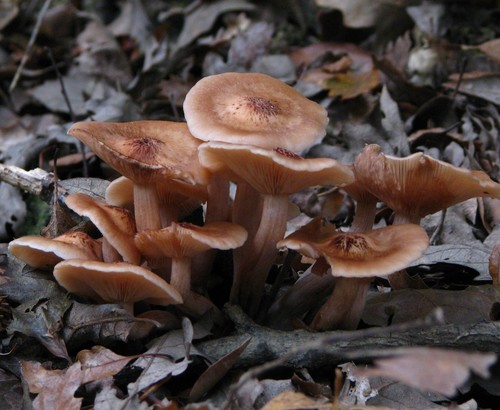
iNaturalist· cc-by-nc
(c) Alejandra Peña Estrada, some rights reserved (CC BY-NC)
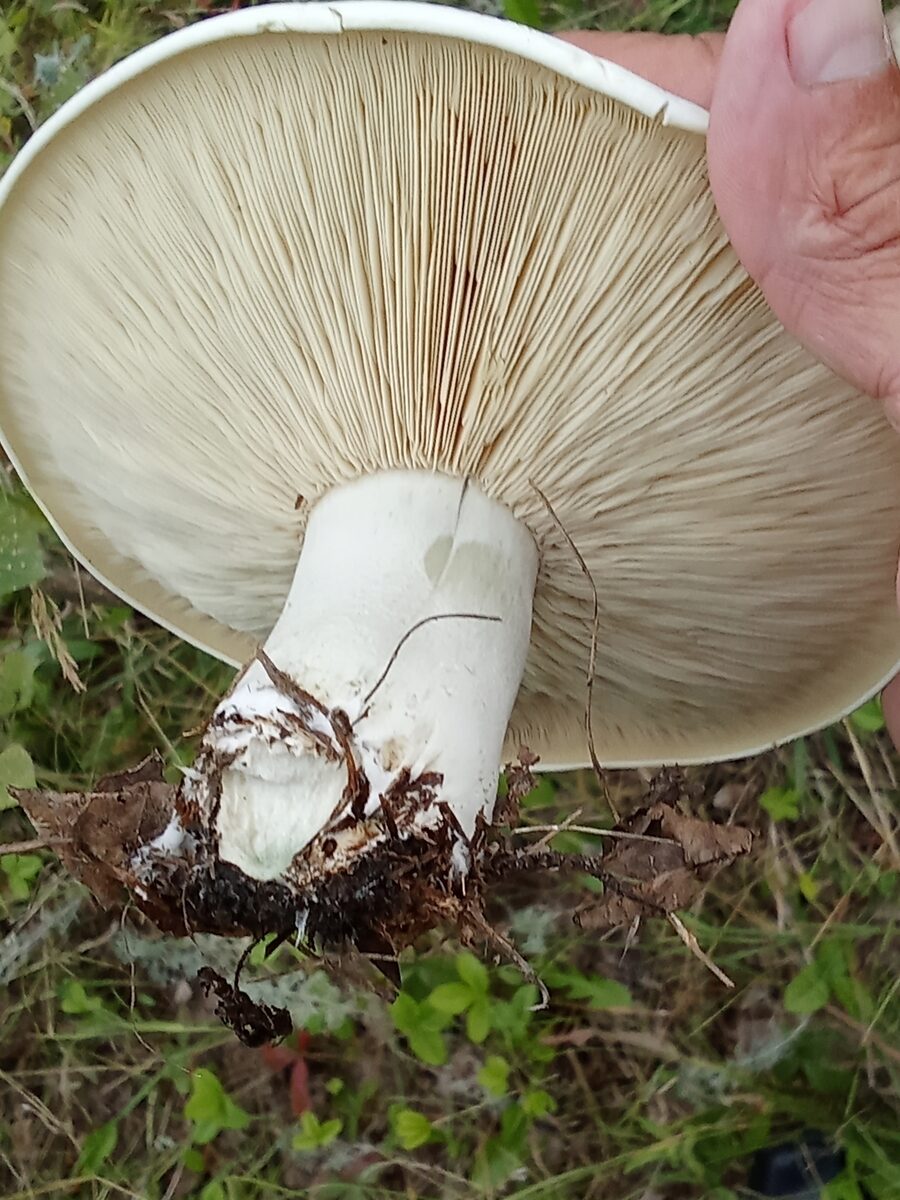
iNaturalist· cc-by-nc
(c) Kherlenchimeg Nyamsuren, some rights reserved (CC BY-NC)
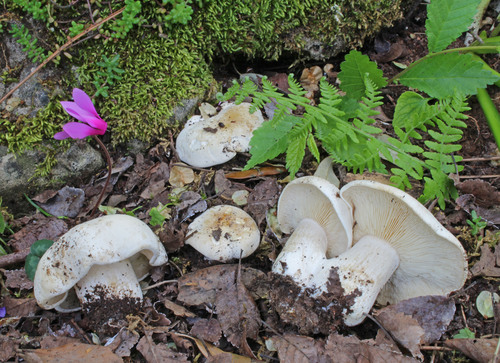
iNaturalist· cc-by-nc
(c) huafang, some rights reserved (CC BY-NC)
Description
A temperate mushroom in the Tricholomataceae family, sold in local markets.
This description is brief — help expand it
Edible Uses
It is edible when young, but said to be of mediocre quality. It can be fried or used in risottos or soups etc. The stems are tough and may be discarded. The species resembles some which are poisonous. An extract of I. gibba exhibits inhibitory activity on thrombin.
Traditional Uses
It is used cooked with oil and garlic and used to flavour food.
This uses section is brief — help expand it
Distribution
It is a temperate plant.
Where It Grows
Asia, Balkans, Bulgaria, China, Europe, Italy, Mediterranean, Mexico, North America, Sicily, Slovenia, Turkey, Türkiye,
Other Information
It is sold in local markets.
Also Known As
Cornetita, Cuerillo y campanita, Oreja, Orejita, Orejitas, Qiubeisan, Tejamanilero, Trompetita
References (16)
- Boa, E. R., 2004, Wild edible fungi and their importance to people. FAO Non Wood Forest Products Booklet 17
- Cerne, M., 1992, Wild Plants from Slovenia used as Vegetables. Acta Horticulturae 318
- Cocchi, L. et al, 2006, Heavy metals in edible mushrooms in Italy. Food Chemistry 98: 277-284
- Cortes, L.E.U., et al, 2018, Ethnomycology and mushroom selling in a market from Northwest Puebla, México. Scientia Fungorum vol. 47: 47-55
- Estrada-Martinez, E., et al, 2009, Contribucion al conocimiento etnomicologico de los Hongos Comestibles Silvestres de Mercados Regionales y Comunidades de la Sierra Nevada (Mexico). Intercienca Jan 2009 Vol. 34 No. 1
Show all 16 references Hide references
- Farfan B., et al, 2007, Mazahua Ethnobotany and Subsistence in the Monarch Butterfly Biosphere Reserve, Mexico. Economic Botany 61(2) pp 173-191
- Genccelep, H. et al, 2009, Determination of mineral contents of wild-grown edible mushrooms. Food Chemistry 113: 1033-1036
- Hall, I. R., et al, 2003, Edible and Poisonous Mushrooms of the World. Timber Press. p 141
- Lentini, F. and Venza, F., 2007, Wild food plants of popular use in Sicily. J Ethnobiol Ethnomedicine. 3: 15
- Montoya, A., et al, 2003, Traditional Knowledge about Mushrooms in a Nahua Community in the State of Tlaxcala, Mexico. Mycologia 95(5) pp. 793-806
- Montoya, A., et al, 2014, Availability of Wild Edible Fungi in La Malinche National park, Mexico. Journal of Mycology. Article ID 241896, 15 pages
- Perez-Moreno, J. et al, 2008, Wild Mushroom Markets in Central Mexico and a Case Study at Ozumba. Economic Botany, 62(3), 2008, pp. 425–436
- Perez-Moreno, J., et al, 2009, Social and Biotechnological Studies of Wild Edible Mushrooms in Mexico. Acta Botanica Yunnanica Suppl. XV1: 55-61
- Pieroni, A., 1999, Gathered wild food plants in the Upper Valley of the Serchio River (Garfagnana), Central Italy. Economic Botany 53(3) pp 327-341
- Pieroni, A., et al, 2005, Food for two seasons: Culinary uses of non-cultivated local vegetables and mushrooms in a south Italian village. International Journal of Food Sciences and Nutrition, 56(4): 245-272
- Rila Monastery Nature Park Management Plan 2004 - 2013 (Bulgaria) p 380