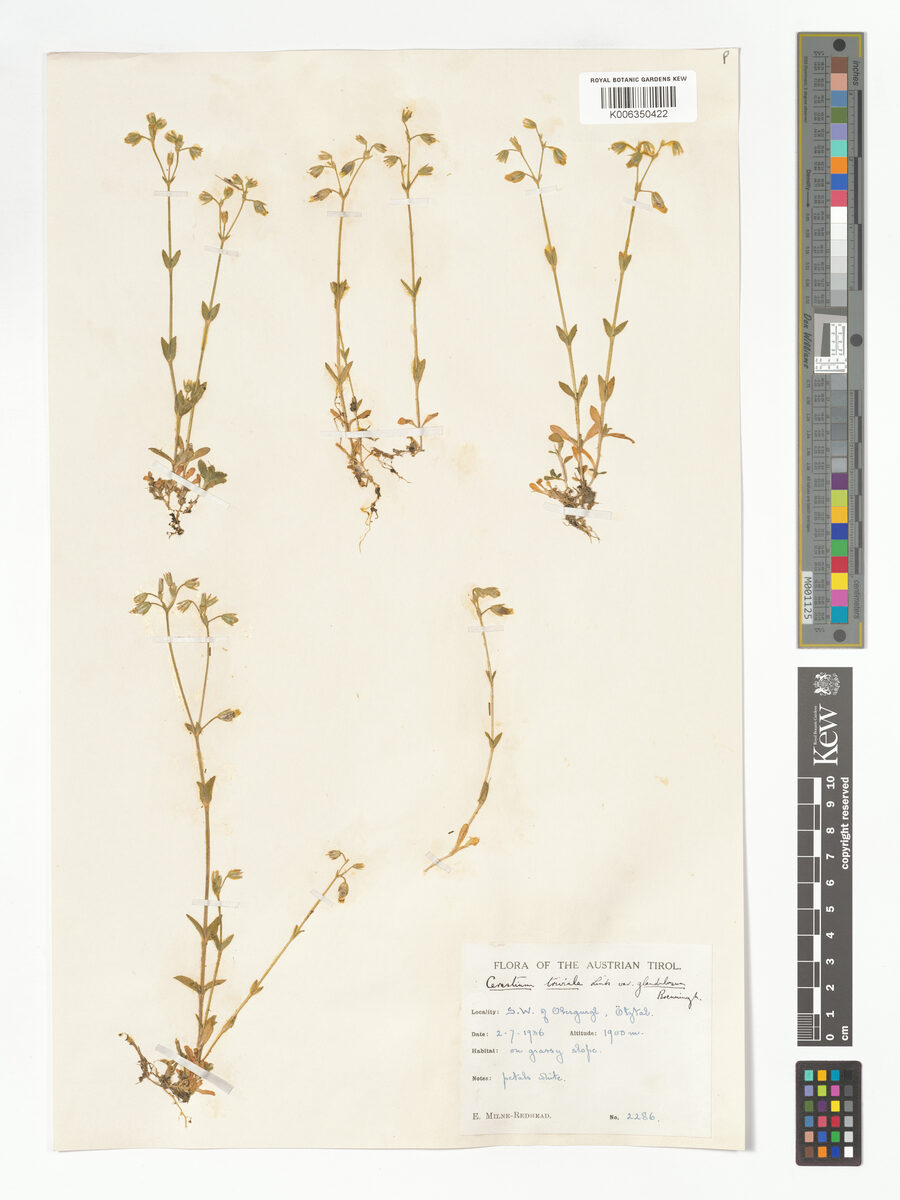
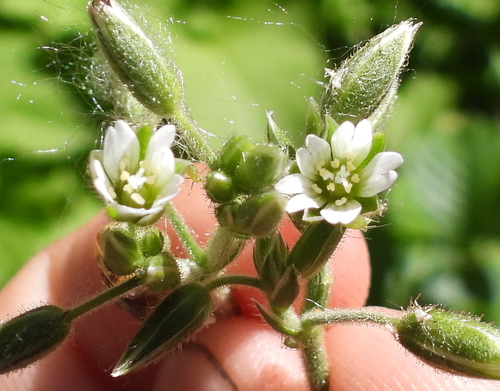
Lychnis flos-cuculi
L.
Ragged-Robin
gbif· cc-by
GBIF
gbif· cc-by
GBIF
gbif· cc-by
GBIF
Summary
Source: WikipediaA hardy perennial reaching 0.6 m tall and 0.3 m wide. Flowers bloom from May to September with seeds ripening July to October. The plant is hermaphroditic and attracts bees and butterflies. It thrives in light sandy, medium loamy, or heavy clay soils across mildly acidic to basic pH ranges. Tolerates semi-shade in light woodland conditions and prefers consistently moist or wet soil. Hardy to UK zone 6.
Description
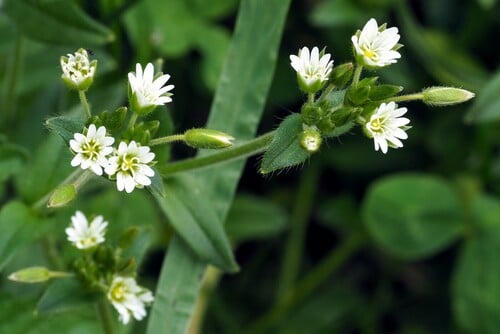
A herb. It has a ring of leaves and several flower stems 20-90 cm tall. The flowers are pink and 3-4 cm across.
This description is brief — help expand it
Edible Uses
None known
Traditional Uses
The leaves are eaten in vegetable soup.
This uses section is brief — help expand it
Medicinal Uses
None known
Known Hazards
This plant contains saponins. Although fairly toxic, these substances are poorly absorbed by the body, most passing straight through without any harm. Saponins can be found in a number of common foods such as some beans. Saponins are much more toxic to some creatures, such as fish, and hunting tribes have traditionally put large quantities of them in streams, lakes etc in order to stupefy or kill the fish.
Distribution
It is a temperate plant.
Where It Grows
Britain, Canada, Europe, Italy, Mediterranean, North America, USA,
Cultivation
An easily grown plant, succeeding in ordinary garden soil so long as it is moist, and also doing well in a bog garden. It prefers a sunny position. Plants succeed in damp woodlands or damp meadows. At least one named form has been selected for its ornamental value.
Propagation
Sow seed in spring in a cold frame, then prick seedlings into individual pots and plant out in summer. Alternatively, sow seed in situ in spring or early autumn, though this requires more seed. Divide established plants in spring or autumn—larger clumps can be replanted directly to permanent positions, while smaller clumps should be potted and grown in a cold frame until well-rooted before spring planting.
Other Uses
The roots contain saponins that act as a natural soap substitute for washing clothes and hair. Extract saponins by boiling roots in water, but avoid overboiling as this breaks down the active compounds.
Synonyms
Also Known As
Manine del Signore
References (1)
- Pieroni, A., 1999, Gathered wild food plants in the Upper Valley of the Serchio River (Garfagnana), Central Italy. Economic Botany 53(3) pp 327-341