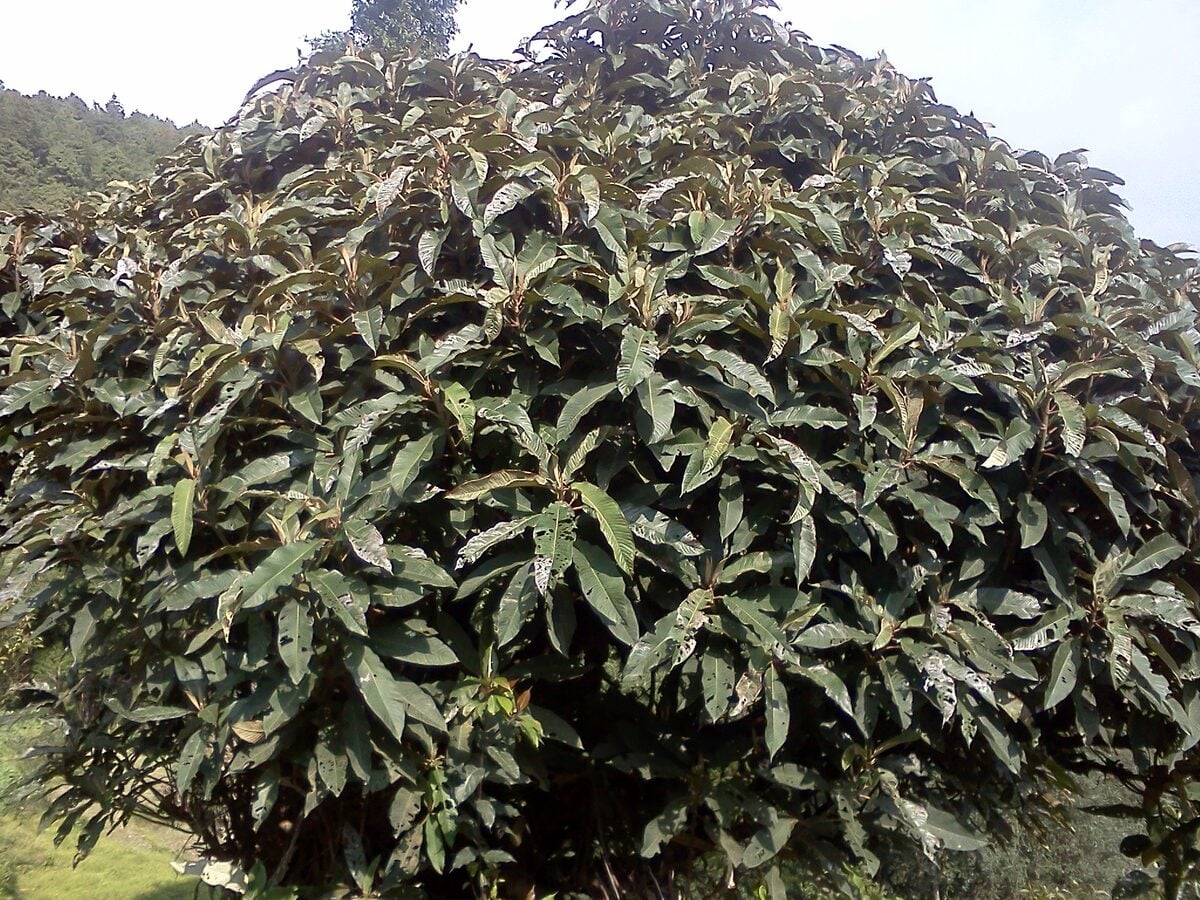
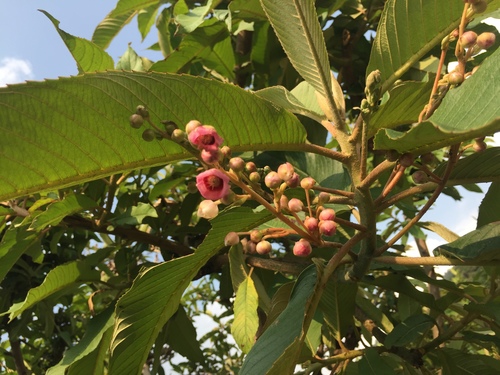
Saurauia tristyla
DC.
Mixinguo
iNaturalist· cc-by-nc
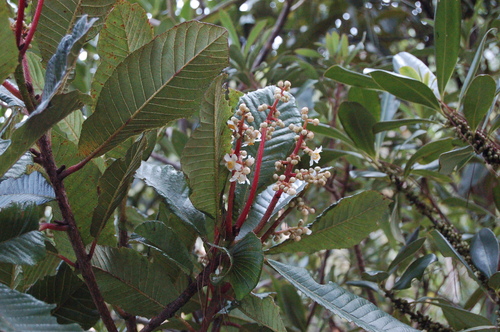
(c) Shipher Wu, some rights reserved (CC BY-NC), uploaded by Shipher Wu
iNaturalist· cc-by
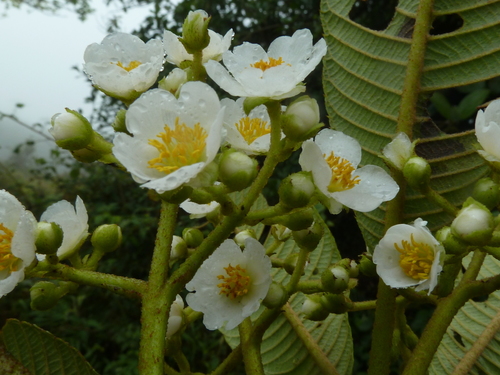
(c) portioid, some rights reserved (CC BY), uploaded by portioid
iNaturalist· cc-by-nc
(c) 戴勝, some rights reserved (CC BY-NC), uploaded by 戴勝
Description
A shrub or small tree. It grows 3-6 m tall. The young growth has a rusty coloured covering. The leaves are narrowly oval and 11-17 cm long by 4-9 cm wide. They taper to the tip and are rounded at the base. The flowers are pink and change to white. The fruit are white and juicy. They are round and 6 mm across.
Edible Uses
The fruit are eaten raw.
Traditional Uses
The fruit are eaten raw.
This uses section is brief — help expand it
Distribution
A tropical plant. In Yunnan in China it grows between 800-1400 m above sea level. It grows in secondary forest. It grows in part shade along streams of tropical forests. In Sichuan.
Where It Grows
Asia, China, Himalayas, India, Indochina, Malaysia, Nepal, SE Asia, Taiwan, Thailand,
References (5)
- Ghorbani, A., et al, 2012, A comparison of the wild food plant use knowledge of ethnic minorities in Naban River Watershed Nature Reserve, Yunnan, SW China. Journal of Ethnobiology and Ethnomedicine; 8:17
- Hu, Shiu-ying, 2005, Food Plants of China. The Chinese University Press. p 553
- Jin, Chen et al, 1999, Ethnobotanical studies on Wild Edible Fruits in Southern Yunnan: Folk Names: Nutritional Value and Uses. Economic Botany 53(1) pp 2-14
- Luo, B., et al, 2019, Wild edible plants collected by Hani from terraced rice paddy agroecosystem in Honghe Prefecture, Yunnan, China. Journal of Ethnobiology and Ethnomedicine 15:56 (As var. hekouensis)
- Reis, S. V. and Lipp, F. L., 1982, New Plant Sources for Drugs and Foods from the New York Botanical Garden herbarium. Harvard. p 181